



403
Sorry!!
Error! We're sorry, but the page you were looking for doesn't exist.
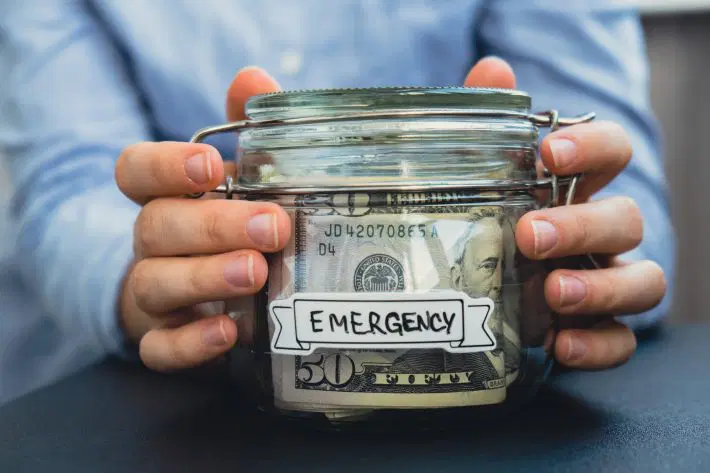
How To Build A $1,000 Emergency Fund Fast When Your Bank Account Is Nearly Empty
(MENAFN- Saving Advice) When my wife and I first started saving money, it was really difficult. The idea of saving a $1,000 emergency fund feels impossible when you're barely scraping by as it is. But I'm here to tell you it isn't. The truth is that most people don't build their EF waiting for extra money to appear. They build it by making small moves that add up over time. And it stacks up to $1K faster than you'd think. That said, here are the tried-and-true steps to help you go from $0 to $1,000+ in savings fast.Start With a Bare‐Bones Budget That Frees Up Cash Fast
A bare‐bones budget is the quickest way to find money you didn't realize you had. It focuses only on essentials, like housing, utilities, food, transportation, and medications, while temporarily cutting everything else. This doesn't mean you're giving things up forever; it simply creates breathing room to build your emergency fund quickly.
Most people can free up $50 to $150 a week by pausing subscriptions, reducing takeout, and switching to cheaper grocery staples. Every dollar you free up goes directly into your emergency fund, accelerating your progress from day one.
Sell Unused Items for Quick Cash You Can Save ImmediatelyMost households have at least a few items worth selling, even when money feels tight. Old electronics, tools, furniture, and unused exercise equipment often bring in $20 to $200 each on local marketplaces. Selling items is one of the fastest ways to jump‐start your emergency fund because the money arrives immediately.
It also gives you a psychological boost. Seeing your balance grow makes the goal feel real and achievable. Even if you only sell a handful of items, you can easily add $100 to $300 savings within a week.
Take On Small, Fast‐Paying Gigs to Boost Your SavingsShort‐term gigs can help you build your emergency fund without committing to a long‐term side hustle. Many people earn quick cash through pet sitting, grocery delivery, yard work, or simple handyman tasks. These gigs often pay the same day or within 48 hours, making them ideal when your bank account is nearly empty.
Even one or two small jobs a week can add $50 to $200 to your savings. When you direct all gig income into your EF, you'll reach $1,000 much faster than relying on your regular paycheck alone.
Use Automatic Transfers to Save Without Thinking About ItAutomation is one of the most powerful tools for building an emergency fund, especially when money is tight. Setting up a small automatic transfer ($5, $10, or $20 every time you get paid) ensures consistent progress. Because the transfer happens before you spend the money, you're less likely to miss it. Over time, these small amounts add up surprisingly fast, especially when combined with other strategies.
Cut One Recurring Expense and Redirect It to SavingsRecurring expenses are silent budget killers because they drain your account month after month. Canceling or downgrading just one subscription, such as streaming services, meal kits, premium apps, or memberships, can free up $10 to $50 instantly.
Redirecting that money into your emergency fund turns a small sacrifice into long‐term financial protection. Many people discover they don't even miss the canceled service after a few weeks.
Use Cash‐Only Spending to Avoid Accidental OverspendingSwitching to cash for groceries, gas, and small purchases helps you stay within your budget. When you physically see money leaving your wallet, you naturally spend less without feeling deprived. This method prevents impulse buys that quietly sabotage your savings goals. The money you don't spend becomes instant progress toward your emergency fund.
Capture“Found Money” Instead of Letting It DisappearFound money includes tax refunds, rebates, birthday cash, or unexpected small windfalls. Most people spend these amounts without thinking, but directing them to your emergency fund can create a major boost. Even small amounts ($20 here, $40 there) add up quickly when you're consistent. Treating found money as savings instead of spending accelerates your progress without affecting your regular budget.
Your First $1,000 Is the Foundation for Every Financial Goal AheadBuilding a $1,000 emergency fund when your bank account is nearly empty is absolutely possible with the right strategy. By combining quick cash boosts, small budget adjustments, and consistent habits, you create a financial buffer that protects you from unexpected expenses. This first $1,000 isn't just money. It's peace of mind, stability, and the first step toward long‐term financial confidence. Once you hit that milestone, saving becomes easier because you've already built the discipline and momentum. So, what are you waiting for? Start saving!
What's the first step you're planning to take to build your emergency fund? Share your thoughts or strategies in the comments.

Legal Disclaimer:
MENAFN provides the
information “as is” without warranty of any kind. We do not accept
any responsibility or liability for the accuracy, content, images,
videos, licenses, completeness, legality, or reliability of the information
contained in this article. If you have any complaints or copyright
issues related to this article, kindly contact the provider above.
Most popular stories
Market Research

More Story








Comments
No comment