




403
Sorry!!
Error! We're sorry, but the page you were looking for doesn't exist.
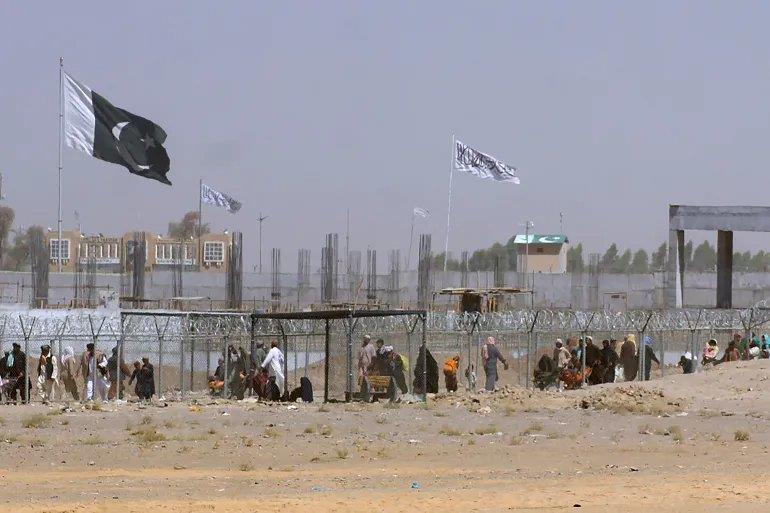
Pakistan-Afghanistan Tensions Deepen After Bannu Attack, Cross-Border Strikes Raise Stakes
(MENAFN- Tribal News Network) -->
Security tensions between Pakistan and Afghanistan have entered a delicate phase. According to Pakistan-Afghanistan affairs expert and senior journalist Tahir Khan, the current situation could move in one of two directions: either both countries adopt a strategy to reduce tensions, or a new incident could trigger a cycle of retaliatory actions, further escalating the crisis.
Tahir Khan says the core dispute lies in a policy disagreement. Afghanistan's interim government is urging Pakistan to hold negotiations with the Tehrik-i-Taliban Pakistan (TTP), while Pakistan maintains that it will continue operations against such groups and will not pursue talks.
According to him, this fundamental difference limits the prospects for any major policy shift.
He noted that in the past, most cross-border actions carried out by Pakistan did not receive a formal response from the Afghan Taliban.
However, after the operations in October 2025, a response did come, which led to increased tensions.
He added that the Afghan Taliban are also facing internal pressure, so both response and restraint remain possible outcomes.
Also Read: Cross-Border Tensions Rise After Pakistan Strikes Alleged Militants in Afghanistan
Bannu Attack and Fresh Escalation:
On February 21, 2026, a security forces convoy was targeted in a suicide attack in Bannu district of Khyber Pakhtunkhwa.
According to a statement issued by the military's media wing, Inter-Services Public Relations (ISPR), the incident occurred during an intelligence-based operation.
The statement said security forces managed to intercept a suicide bomber in time, preventing major casualties.
However, during the intense exchange of fire, Lieutenant Colonel Shahzada Gul Faraz (resident of Mansehra district) and Sepoy Karamat Shah (resident of Peshawar district) were martyred, while five attackers were killed.
ISPR stated that the attackers were affiliated with banned organizations and alleged that Afghan territory was being used for their activities.
Islamabad maintains that anti-Pakistan elements are operating from Afghan soil and that the Afghan interim government has failed to prevent them.
The Government of Pakistan says counterterrorism operations will continue and that efforts under the“Azm-e-Istehkam” campaign will be further intensified.
Cross-Border Operations and Response:
In the same context, Pakistan claimed to have targeted alleged TTP centers in different areas of Afghanistan that night.
According to a statement from the federal Ministry of Information, TTP hideouts were damaged and reports suggested that some commanders were killed.
In October 2025, Pakistan had also conducted cross-border operations, which prompted a response from the Afghan Taliban. Border clashes during that period reportedly caused casualties, temporarily worsening the situation.
Diplomatic Pressure and Mediation Efforts:
Regarding mediation, Tahir Khan said that in the past, Turkey and Qatar had played facilitation roles. However, at present, Saudi Arabia appears to be more active.
Meetings between the two countries have reportedly been held in Riyadh, and proposals to ease tensions were discussed.
However, he said the atmosphere of mistrust between Pakistan and Afghanistan is complicating mediation efforts, and the recent airstrikes have further hardened positions.
He added that this situation is also a test for Saudi Arabia's ability to reassert an effective diplomatic role in the region.
Commenting on the summoning of Pakistan's ambassador in Kabul, Tahir Khan said this is part of standard diplomatic practice.
When one country wants to formally protest another's actions, it summons the ambassador to lodge an official complaint. He said the recent airstrikes should be viewed in this context.
The Way Forward:
According to Tahir Khan, sustainable peace in the region requires sustained diplomatic engagement and confidence-building measures. However, ground realities make this process difficult. In the current circumstances, any new incident could push the situation in either direction-toward restraint and dialogue, or toward further escalation and confrontation.

Legal Disclaimer:
MENAFN provides the
information “as is” without warranty of any kind. We do not accept
any responsibility or liability for the accuracy, content, images,
videos, licenses, completeness, legality, or reliability of the information
contained in this article. If you have any complaints or copyright
issues related to this article, kindly contact the provider above.
Most popular stories
Market Research

More Story





Comments
No comment