




403
Sorry!!
Error! We're sorry, but the page you were looking for doesn't exist.
Zambia's Farmers Are Working In Dangerous Heat How They Can Protect Themselves
Author: Anayawa Nyambe
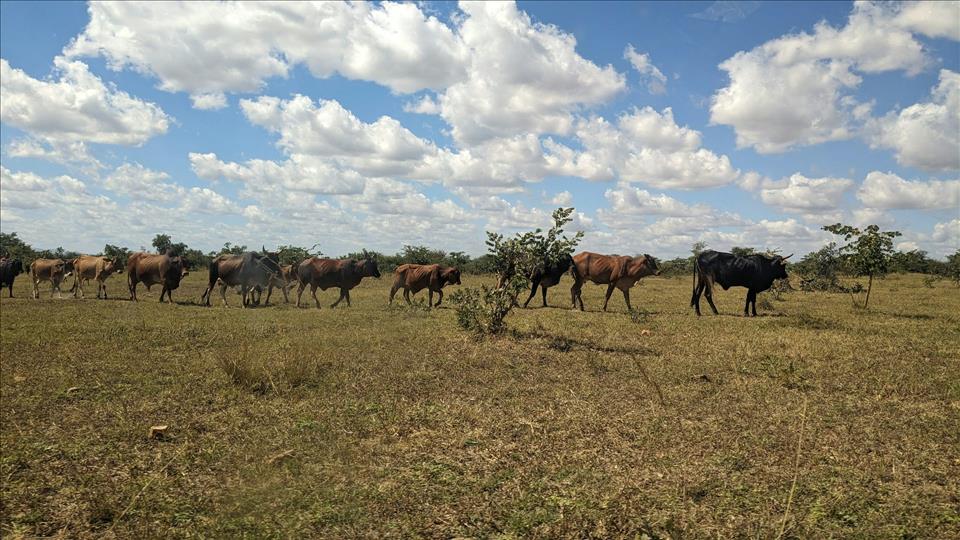
(MENAFN- The Conversation) Farming is central to life in Zambia, with about 60% of the country's labour force relying on rain-fed agriculture for their livelihood or income. Seasonal rains shape planting and harvesting, and temperatures can rise to 40°C. On small farms, men generally manage livestock such as cattle and cash crops like maize, while women maintain vegetable gardens and cultivate crops like cassava.

I am a researcher with over seven years of experience working on public health topics such as climate change and heat stress among rural farmers. Driven by the research gap on climate change and human health, I looked at whether the rising global temperatures represent an emerging public health crisis for Zambia's small-scale farmers.
Temperatures in Zambia have been rising since the 1980s at about 0.01°C per year, accelerating to 0.08°C annually since the 2000s. Temperatures are projected to increase by nearly 2°C by 2050 under a situation where a moderate to high amount of greenhouse gas continues to be emitted.
Read more: Climate change has doubled the world's heatwaves: how Africa is affected
I spent two years interviewing 671 farmers (362 men and 309 women) across Monze (in Zambia's south) and Sioma (in the west of the country). These are two districts that illustrate the country's contrasting farming environments. Sioma lies at a lower altitude and is generally warmer and receives less rainfall than Monze. It is also close to the Zambezi River, unlike Monze.
My research found that farmers in both areas, despite the differences in the environments, are experiencing increasingly hotter farming seasons. When they work outside, they suffer headaches, dizziness, dehydration, muscle pain, rash, sweating, tiredness, a loss of concentration, and dry lips, throat and mouth.
Globally, these conditions are getting worse because of climate change. But in Zambia, although the heat is getting worse, there is no formal reporting system in hospitals and clinics for heat stress or heat stroke. I found that the ministry of health only records the increasing trend in heat rashes.
Read more: Heat exposure during pregnancy can lead to a lifetime of health problems
I also found that farmers don't always recognise their symptoms as heat stress – and may even consider them a normal part of difficult farming in hot weather.
This means that heat exposure is not getting the attention it deserves. It actually should be treated as an emerging public health risk. Heat stress deserves as much awareness as other occupational and environmental health threats such as injuries at work, and poor water and sanitation conditions.
The public health system in Zambia must track cases of heat related illnesses. Farmers and farm workers must get early warnings during extreme heat, and basic health education on how to stay safe on very hot days.
What working in extreme heat is likeHeat stress happens when excess heat raises the core body temperature above 37°C. This can impair normal physiological functioning. To determine the heat levels in Monze and Sioma, I trained farmers to take temperature readings so that we could see when the safe thresholds for outdoor work were exceeded.
I also asked the farmers to make lists of their outdoor activities and workloads on hot days. Together, we created community maps of water sources, woodlands, plains, and infrastructure like schools or clinics in the farming area to see if places existed where the farmers could cool down.
We also discussed what was preventing them from adapting to climate change and heat stress. The major barriers identified by the farmers were the scarcity of water to cool down with, deforestation (a lack of shady trees), little information about heat stress, and limited protective clothing.
Read more: Climate change makes life harder: in South Africa it's likely to bring heatwaves, water stress and gender-based violence
Social factors also prevented farmers from devoting time and energy to staying cool while working. These factors included community tensions and unequal access to land or support programmes for impoverished farmers and women. For example, impoverished farmers often lacked access to tools and labour saving equipment, meaning they had to work longer hours in the sun. Women frequently balanced farm work with household duties, increasing their overall heat exposure.
The farmers spoke about symptoms that indicated they are experiencing moderate to high heat stress risk:
Farmers also said that extreme heat affected their cognitive ability. This directly affected agricultural productivity and safety:
My research found that farmers tended to normalise their symptoms or endure them because they had to work to earn a living:
What needs to happen nextPreventing heatstroke does not need a huge amount of expensive equipment. Simple public health measures such as recognising heat illnesses in clinic reporting systems, training health workers to identify symptoms, sharing heat alerts through radio and mobile phones, and giving farmers practical advice on hydration, rest breaks and working during cooler hours would help. In India, the Ahmedabad Heat Adaptation Plan has reduced heat related illnesses and saved lives by doing this.
Rural areas have persistent water shortages, a lack of transport to health facilities and limited funding for protective equipment such as sun hats or shelters for shade. The government could source funding for hats, water containers and locally built shade shelters that would further protect farmers without placing a heavy burden on government budgets.
Read more: Why we need to talk about older people and climate change in Africa
The Zambian healthcare system tends to focus on infectious diseases over occupational environmental risks like heat stroke. Health authorities need to recognise heat as a health risk, collect routine data and work with meteorological services to provide early warnings and basic safety guidance to farmers. Climate and health agencies also need to work together. They currently work separately, which means the health system often reacts to heat illnesses after they happen instead of preparing communities in advance.
Meanwhile, farmers are coming up with local solutions that deserve more funding and support. These include setting up traditional shade shelters on the farms, digging more wells and using storage containers such as clay pots for storing water. Farmers have also been wrapping water bottles in wet cloth or reeds to keep drinking water cool. These local solutions could be strengthened and promoted as low-cost adaptation strategies.
Institution:University of Zambia

Legal Disclaimer:
MENAFN provides the
information “as is” without warranty of any kind. We do not accept
any responsibility or liability for the accuracy, content, images,
videos, licenses, completeness, legality, or reliability of the information
contained in this article. If you have any complaints or copyright
issues related to this article, kindly contact the provider above.
Most popular stories
Market Research

More Story






Comments
No comment