




403
Sorry!!
Error! We're sorry, but the page you were looking for doesn't exist.
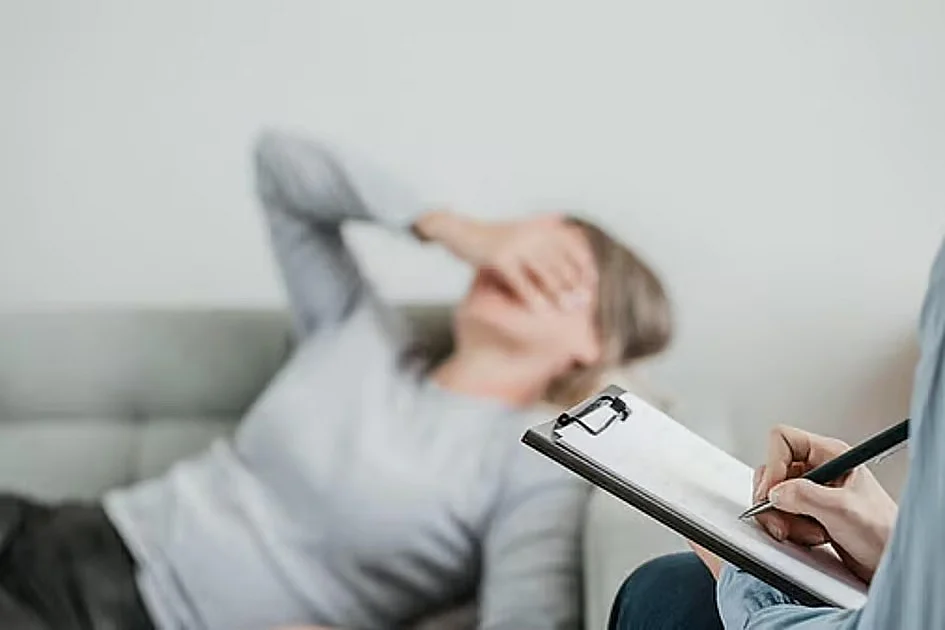
27-Year-Old Woman Reclaims Life After Years Of Fibromyalgia, Preps For Muay Thai Battle
(MENAFN- Khaleej Times) Shatha had been experiencing symptoms since the age of 12 but received a confirmed diagnosis only a year ago
- PUBLISHED: Fri 30 Jan 2026, 6:00 AM UPDATED: Fri 30 Jan 2026, 8:12 AM
- By: Haneen Dajani
- Share:
For years, Shatha lived with pain she could not prove - only explain. Fatigue, shifting aches and sleep that never felt restorative crept into her life during her teenage years, long before she had a name for what was happening to her body. When she was finally diagnosed with fibromyalgia in her mid-20s, the relief came not from a cure, but from recognition.
“What was hardest was not the physical pain itself,” she said.“It was the constant feeling of having to explain a suffering that could not be seen or fully understood, as if my pain required proof.”
Recommended For YouShatha, now 27, had been experiencing symptoms since the age of 12 but received a confirmed diagnosis only a year ago. Her journey reflects the reality faced by many fibromyalgia patients, whose symptoms often overlap with other conditions and can take years to be properly identified.
Stay up to date with the latest news. Follow KT on WhatsApp Channels.
What is Fibromyalgia?Fibromyalgia is a chronic disorder that affects how the brain processes pain signals, leading to heightened sensitivity and widespread pain, according to Dr Sehriban Diab, Consultant Rheumatologist at Sheikh Shakhbout Medical City (SSMC).
“Patients experience pain and stiffness in muscles, tendons and ligaments rather than joint inflammation,” Dr Diab said, adding that symptoms commonly include persistent fatigue, sleep disturbances, cognitive difficulties often described as 'brain fog', headaches, digestive issues, anxiety and morning stiffness.
Diagnosing the condition remains challenging. There is no blood test or imaging study that can confirm fibromyalgia, and physicians must rely on clinical assessment, medical history and the exclusion of other diseases such as thyroid disorders or vitamin deficiencies.
“Symptoms are non-specific and may not all appear in the early stages,” Dr Diab explained.“This is one of the reasons diagnoses can be delayed."
Every patient is a unique caseFor Shatha, the diagnostic journey was long and emotionally exhausting. She moved between tests and doctors, lived through periods of doubt and fear, and at times blamed herself for what she was experiencing.
“When I was finally diagnosed, it was not merely a medical label,” she said.“It was an acknowledgement of my suffering and a turning point that helped me understand myself and my body better.”
At SSMC, her care followed a personalised, multidisciplinary approach - a model the hospital considers essential for managing fibromyalgia.
Mais Jawhari, Senior Physiotherapist in the Rehabilitation Department at SSMC, said there is no single treatment plan that fits every patient.
“Every patient living with fibromyalgia is a unique case,” Jawhari said.“In Shatha's case, the root of her condition was psychological, linked to traumatic experiences during childhood.”
Her treatment therefore placed strong emphasis on psychological support, emotional regulation, anxiety and stress reduction, and improving sleep quality - all of which play a central role in pain management for this group of patients.
Managing fibromyalgiaThe first step, Jawhari explained, was education.
“Understanding the condition helps reduce fear and gives the patient a sense of control over symptoms, which contributes to pain reduction,” she said.
Shatha's treatment plan also included specialised pain management, acupuncture - shown to help alleviate anxiety, depression and sleep disturbances - and a gradual, structured exercise programme designed to rebuild strength, endurance and confidence in movement.
“Movement is a fundamental component of fibromyalgia management,” Jawhari said.“But it must be delivered in a structured and condition-appropriate manner.”
The results were life-changing.
“Today, Shatha experiences significantly less pain and has become both mentally and physically stronger, with a far better quality of life,” Jawhari said.“This is the message we always strive to convey: restoring hope and showing patients that recovery is achievable when care focuses on the whole person, not just the symptoms.”
Jawhari is cautious about labelling fibromyalgia as a purely“chronic” condition.“I am not particularly fond of the term, because it often instils fear in patients,” she said.“From a medical perspective, it usually refers to the duration of symptoms rather than a final verdict on a person's life.”
With comprehensive care that goes beyond medication alone, patients can experience substantial improvement, she added.
“Symptom control can reach 70 to 80 per cent, allowing individuals to return to daily life, work, laughter and restorative sleep,” she said.“While the diagnosis may remain, ongoing suffering does not have to.”
Delayed or incorrect diagnosis, however, can come at a significant cost. Jawhari said many patients wait one to two years before receiving an accurate diagnosis, during which time their daily functioning, mental health, family life and professional lives are placed under strain.
“This is especially true when a patient's experience is dismissed simply because there is no blood test or imaging study that definitively confirms the condition,” she said, stressing that fibromyalgia is a scientifically recognised disorder with clearly defined diagnostic criteria.
Practising Muay ThaiToday, Shatha describes herself as largely recovered. Pain still appears from time to time, but it no longer controls her life.
“This improvement would not have been possible without genuine support,” she said, crediting the medical and psychological care she received at SSMC.“I was believed, and that understanding had a profound impact on my journey towards recovery.”
For the past five months, she has been practising Muay Thai - not just as a sport, but as a way to rebuild trust in her body.
“It helped me regain balance, strength and psychological release,” she said.“It was a way to affirm my ability to continue.”
Now preparing for a tournament, Shatha says she is proud of how far she has come.
“I may not be completely free from pain, but I am stronger than it,” she said.“Losing hope has no place in my dictionary, because I chose to live, to heal, and to believe that recovery is a continuous journey rather than a final destination.”
ALSO READ- How UAE expat whose body shut down at 21 due to Covid now helps others get healthy UAE: How woman with stomach cancer recovered in 3 days with advanced treatment

Legal Disclaimer:
MENAFN provides the
information “as is” without warranty of any kind. We do not accept
any responsibility or liability for the accuracy, content, images,
videos, licenses, completeness, legality, or reliability of the information
contained in this article. If you have any complaints or copyright
issues related to this article, kindly contact the provider above.
Market Research

More Story







Comments
No comment