




403
Sorry!!
Error! We're sorry, but the page you were looking for doesn't exist.
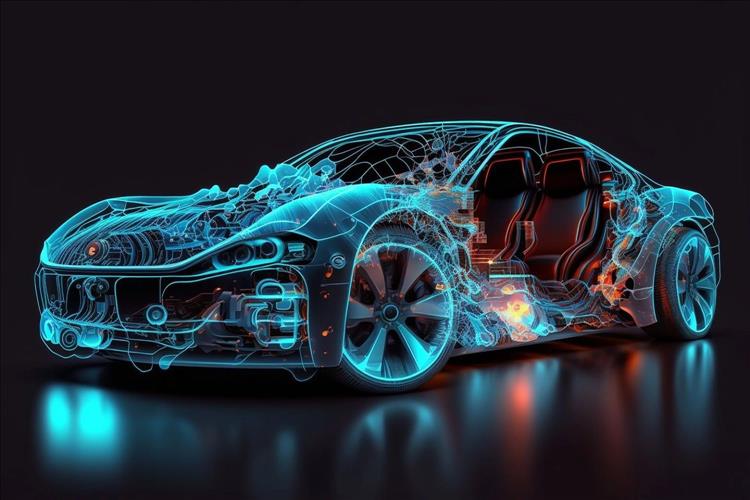
How 3D Car Customisers Are Transforming Modern Vehicle Modification
(MENAFN- The Arabian Post)
Remember the moment, when you looked at photos online and tried to imagine how you could change your car. Then you ordered some parts and hoped you made the right call.
Many car modifications went wrong with that hope. Many drivers want a clearer plan before they spend money today. Shops also want fewer mix-ups when they order parts or start work. That's why 3D tools are moving from“nice extra” to a normal part of the build. They let you try ideas, flip through options fast, and see how separate parts sit together as one style.
What Is a 3D Car Customiser?A 3D Car Customiser shows a vehicle as a realistic model and lets you change its look on screen. Instead of guessing from separate product photos, you make choices on a full car view: wheels, paint, wraps, body kits, decals, lights, and more.
Most platforms begin with a base car that matches real models. You pick the make and model, then try changes with a few clicks. You can spin it around, zoom in, and check it from a few angles. That matters because a building can look great from the side but messy from the front, or clean in daylight but too dark at night.
The real value is not the“fun factor.” It's the ability to see the whole package before you pay. You can spot clashes early like a sharp, modern wheel on a soft, classic body style and fix the plan while it's still free to change.
Key Features in Today's 3D Car Customisation ToolsA good 3D platform feels smooth and simple. You shouldn't need a tutorial just to change rims. But behind that easy surface, certain features make a big difference in how useful the tool really is.
-
Materials that look real. Paint, chrome, satin wrap, gloss wrap, and carbon-style finishes should look different, not like the same texture with a new color. Some tools use lighting that lets you see shine and shading, because those small details change the“feel” of a car.
Accurate placement of parts. When wheels sit too far out or too far in, the build looks wrong. The same goes for spoilers, splitters, and skirts. The closer the fit looks to real life, the easier it is to trust the design.
Quick switching between options. Modification planning often works like this: you think you want one style, then you see another and change your mind. Fast switching lets you explore without losing time.
Saving and sharing builds. Many enthusiasts don't build alone. They ask friends, talk to a shop, or check with a supplier. Saving a build and sharing it avoids long explanations like“matte grey, but not too dark, with a small lip, not the big one.”
Some platforms run as a 3D car configurator online, so you can do all of this in a browser, even on a laptop that isn't made for heavy design software.
Why 3D Tools Matter More for Car EnthusiastsCar modification is creative, and it still has to fit your budget. You can love a look and still regret the purchase if the parts don't suit the car in real life. 3D planning helps people make choices with less risk of surprises.
-
Fewer expensive mistakes. A classic example is wheels. A wheel can look“premium” in a product photo, but once it's on your car, it may look too small, too busy, or out of style.
Clearer conversations with shops. A lot of frustration comes from unclear expectations. The owner pictures one ride height; the installer has another in mind. A visual build lets both sides point at the same target. Agreeing on the term“clean” is truly easier when you can actually see it.
Better planning in stages. Many people build step by step. First wheels and tint. Later, a wrap. Maybe suspension after that. A saved design sticks you to one style, so the car doesn't end up looking like random upgrades done at different times.
More confidence for beginners. New enthusiasts often know what they like, but don't know how to combine it. 3D tools let them test bold and simple versions of the same idea. That learning process is faster when you can compare builds side by side.
For a lot of drivers, these platforms are now among the most practical car modification tools. It is possible to save time, money, and second thoughts.
The Technology Behind 3D Car CustomisersUsing it is simple: click, change, rotate, save. But several pieces of technology work together to make that smooth and believable.
-
Accurate vehicle models. The tool contains a solid model range, namely the correct proportions that match the real vehicle. If the starting model is off, every upgrade will look off too.
Parts libraries that match the car. Wheels, kits, spoilers, and other items must be built to fit the model the right way. Even if the tool is mainly visual, the users trust what they see.
Real-time graphics. Modern platforms update the image instantly when you switch an option. This depends on efficient rendering, so the visuals stay smooth instead of loading like a slideshow.
Material settings. A glossy finish reflects light sharply. Matte finishes spread light softly. Metallic paint has a different look again. When the material system is done well, it becomes easier to pick a finish that matches the look you want, not only a color you like.
Web performance and device support. It is browser-based, so they run well on different screens. The best platforms keep the car looking sharp without making you wait forever for it to load.
Some systems also include photo placement or background scenes, which makes virtual customization feel closer to real life.
Try a Professional 3D Car Customiser
If you want a build that looks the same in real life, treat the digital design like a serious plan. A couple of habits make the result more dependable.
-
Choose the closest base model you can. Pick the right generation and body style. Small differences in bumpers, lights, and arches can change the look more than people expect.
Make two versions: safe and bold. Build one version you know you can live with. Then build a second one that's more aggressive. Putting them side by side usually helps you land on a better middle option.
Share the design before ordering. Send the saved build to your shop or supplier and ask direct questions: fitment, clearance, local rules for lighting, and how hard each finish is to maintain. It's easier to adjust a plan before you buy than after parts arrive.
A professional tool can't promise perfect real-life fit, but it can stop obvious style missteps and let you walk into a shop with a clear, realistic goal. You can try a professional 3D car customiser on this page.
Conclusion3D customisation is changing modern car modification by making the planning stage visual and honest. Instead of building in your head and hoping for the best, you can test ideas, spot problems early, and choose parts that match each other as one design.
For enthusiasts that means fewer regrets. Shops get clearer approvals and smoother projects. And it makes the hobby less confusing and more enjoyable.
Also published on Medium.
Notice an issue? Arabian Post strives to deliver the most accurate and reliable information to its readers. If you believe you have identified an error or inconsistency in this article, please don't hesitate to contact our editorial team at editor[at]thearabianpost[dot]com. We are committed to promptly addressing any concerns and ensuring the highest level of journalistic integrity.

Legal Disclaimer:
MENAFN provides the
information “as is” without warranty of any kind. We do not accept
any responsibility or liability for the accuracy, content, images,
videos, licenses, completeness, legality, or reliability of the information
contained in this article. If you have any complaints or copyright
issues related to this article, kindly contact the provider above.
Most popular stories
Market Research









Comments
No comment