




403
Sorry!!
Error! We're sorry, but the page you were looking for doesn't exist.
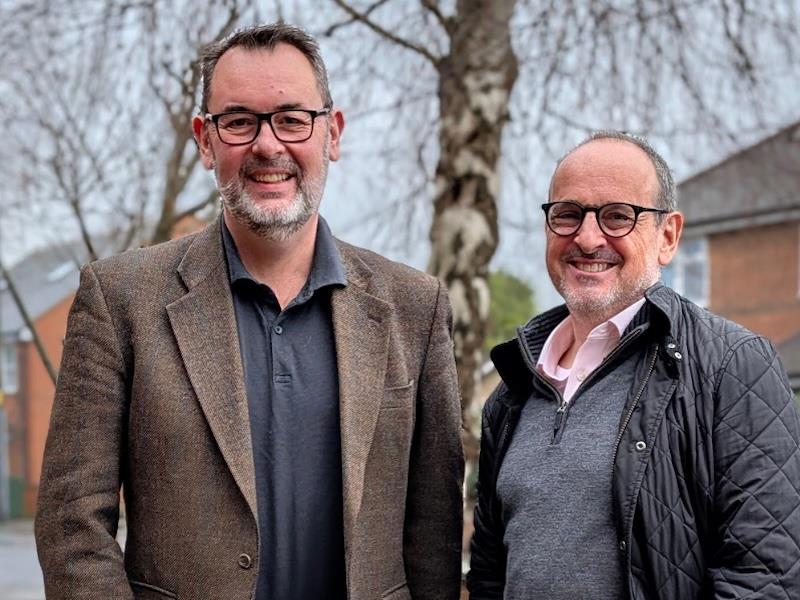
Industry Veterans Launch Advisory To Fix Broken Pitch Process
(MENAFN- PRovoke)
LONDON - Two communications industry veterans, James Tutt and Andy West, have launched a new advisory service, The Pitch Doctors, designed to help agencies win the right business and support in-house teams in running more effective, humane pitch processes.
The launch comes amid renewed intensity in the pitch market, according to the agency leaders, with a sharp uptick in activity in the latter part of 2025 and this expected to continue into 2026.
The Pitch Doctors brings together more than six decades of combined experience across agency leadership and senior in-house communications roles, with a deliberately blended model that advises both sides of the table.
Tutt spent 17 years in senior communications roles at Microsoft before launching his own strategic comms firm, Grannom Consulting, last year. Before going in-house, he spent 14 years at various agencies within the Next Fifteen network. West, the former group chief development officer at Hotwire for 13 years, founded his own agency advisory, Westofcenter, in 2021.
The service positions itself as a practical alternative to traditional pitch consultancies, many of which are geared towards large, procurement-led processes and global brand reviews.
“What makes The Pitch Doctors different is the combination of perspectives,” said Tutt.“I have spent many years leading communications functions in-house and sitting on the buying side of pitches. Andy has spent decades advising agencies on growth and new business. Together, we understand the pressures, trade-offs and realities on both sides of the table. That's a unique combination.”
West added that with new business now a primary concern for agencies, pitches can no longer be treated as speculative exercises.“Winning the right work efficiently is central to both short-term revenue and long-term stability, yet many pitches are still approached in ways that are costly and misaligned with how clients actually decide,” he said.
The idea for the business has its roots in Tutt and West's shared history at Text 100 in the 1990s and decades of experience on opposite sides of the pitch table.“Pitches are not usually an enjoyable process for clients or agencies,” Tutt said.“They are difficult, time-consuming, and frustrating, and often people leave not having felt good about it.”
He added that pitches are frequently triggered for non-strategic reasons, such as leadership changes or procurement mandates, leaving agencies unclear on the underlying strategy.“In a way, it's not surprising that it's an underwhelming experience, and we think we have something to offer in bringing the two sides together.”
West said the collaboration felt like an obvious next step after Tutt left Microsoft and began consulting.“In my experience of managing hundreds of pitches, and James being on the receiving end of pitches in 17 years at Microsoft, we know the good, bad and ugly of what the pitch process should look like. It's exciting that after 33 years we could actually do something together.”
The Pitch Doctors is sector-agnostic and aimed at agencies of all sizes, from independent firms turning over a few million pounds to large network agencies.“We're not coming in pretending to know the sector in depth,” West said.
“What we bring is objective perspective, systems and knowledge, and we want to help agencies put more process into those pitches they have to win.” He added that the ideal client is“an agency that wants to win a pitch and is serious about winning, and maybe doesn't have the confidence that they are going to nail it.”
For in-house communications leaders, Tutt said pitching is often an infrequent and uncomfortable process.“Whereas agencies pitch pretty frequently, when in-house it's actually a fairly infrequent process, so it's often not a muscle you've developed,” he said.“Earlier in my career I would have found it reassuring to talk to people who have been there and done it, can check you're on the right track, and help to structure and run the process.”
The service is offered in three tiers for both agencies and clients, ranging from light-touch advisory through to deep involvement in the pitch process.“It's not a one-size-fits-all approach,” West said, while Tutt described the proposition as“blended”, with value coming from the two founders working together regardless of which side they are advising.
A core focus of The Pitch Doctors is tackling some of the more corrosive behaviours that have become common in pitching, including clients ghosting agencies.“Advising clients not to ghost agencies is a core message for me,” Tutt said.“It's a regrettable development in the industry and it doesn't serve any purpose. It's a huge frustration for agencies, and an easy fix in the process.”
West said he had always made a point of personally calling agencies dropped from a process.“There are also techniques on the agency side that can help minimise ghosting, but unfortunately it's now endemic,” he said. Tutt added that where pitches are held without a clear strategic rationale, clients often struggle to explain their decisions.
On the question of paying agencies for pitch work, both founders were blunt.“Payment for pitches is not part of our offer at all,” West said.“Agencies would love that, but there's too much competition and the economy is too tight.” Tutt agreed, adding that while payment is unlikely to become widespread, stealing agency IP is bad practice and should be called out. He also questioned the value of real-world scenarios in pitches, arguing that agencies cannot gain sufficient depth of understanding in a short process to deliver genuinely nuanced answers.
Asked how clients and agencies can enjoy the pitch process more, Tutt said it starts with strategy.“If you walk into a room six times to see a presentation and you're not sure why you're there or what you're looking for, it's not conducive to relaxation, creativity and being open-minded,” he said, adding that culture and people matter more than slides.
From the agency side, West pointed to confidence, time and relationships as the biggest levers.“Agencies don't ask for enough time from clients to prepare the pitch, they don't give themselves enough time, and they don't look across the agency so the best brains can work on the pitch,” he said.
Both founders were also critical of procurement-led processes that prevent agencies from accessing decision-makers. Tutt said agencies should not feel powerless and should engage procurement proportionately, while West described ring-fenced RFPs as a“big red flag” signalling a price-driven exercise.“Let's move away from being a transactional supplier to a strategic business partner,” he said.
Ultimately, Tutt said, the pitch process reflects how communications functions are perceived internally.“The assumed dynamic is that the client has all the power and the money, and the agency has to come in and tap dance for them,” he said.“Rightly the agency should be judging the client and thinking what would this relationship be like.”
The launch comes amid renewed intensity in the pitch market, according to the agency leaders, with a sharp uptick in activity in the latter part of 2025 and this expected to continue into 2026.
The Pitch Doctors brings together more than six decades of combined experience across agency leadership and senior in-house communications roles, with a deliberately blended model that advises both sides of the table.
Tutt spent 17 years in senior communications roles at Microsoft before launching his own strategic comms firm, Grannom Consulting, last year. Before going in-house, he spent 14 years at various agencies within the Next Fifteen network. West, the former group chief development officer at Hotwire for 13 years, founded his own agency advisory, Westofcenter, in 2021.
The service positions itself as a practical alternative to traditional pitch consultancies, many of which are geared towards large, procurement-led processes and global brand reviews.
“What makes The Pitch Doctors different is the combination of perspectives,” said Tutt.“I have spent many years leading communications functions in-house and sitting on the buying side of pitches. Andy has spent decades advising agencies on growth and new business. Together, we understand the pressures, trade-offs and realities on both sides of the table. That's a unique combination.”
West added that with new business now a primary concern for agencies, pitches can no longer be treated as speculative exercises.“Winning the right work efficiently is central to both short-term revenue and long-term stability, yet many pitches are still approached in ways that are costly and misaligned with how clients actually decide,” he said.
The idea for the business has its roots in Tutt and West's shared history at Text 100 in the 1990s and decades of experience on opposite sides of the pitch table.“Pitches are not usually an enjoyable process for clients or agencies,” Tutt said.“They are difficult, time-consuming, and frustrating, and often people leave not having felt good about it.”
He added that pitches are frequently triggered for non-strategic reasons, such as leadership changes or procurement mandates, leaving agencies unclear on the underlying strategy.“In a way, it's not surprising that it's an underwhelming experience, and we think we have something to offer in bringing the two sides together.”
West said the collaboration felt like an obvious next step after Tutt left Microsoft and began consulting.“In my experience of managing hundreds of pitches, and James being on the receiving end of pitches in 17 years at Microsoft, we know the good, bad and ugly of what the pitch process should look like. It's exciting that after 33 years we could actually do something together.”
The Pitch Doctors is sector-agnostic and aimed at agencies of all sizes, from independent firms turning over a few million pounds to large network agencies.“We're not coming in pretending to know the sector in depth,” West said.
“What we bring is objective perspective, systems and knowledge, and we want to help agencies put more process into those pitches they have to win.” He added that the ideal client is“an agency that wants to win a pitch and is serious about winning, and maybe doesn't have the confidence that they are going to nail it.”
For in-house communications leaders, Tutt said pitching is often an infrequent and uncomfortable process.“Whereas agencies pitch pretty frequently, when in-house it's actually a fairly infrequent process, so it's often not a muscle you've developed,” he said.“Earlier in my career I would have found it reassuring to talk to people who have been there and done it, can check you're on the right track, and help to structure and run the process.”
The service is offered in three tiers for both agencies and clients, ranging from light-touch advisory through to deep involvement in the pitch process.“It's not a one-size-fits-all approach,” West said, while Tutt described the proposition as“blended”, with value coming from the two founders working together regardless of which side they are advising.
A core focus of The Pitch Doctors is tackling some of the more corrosive behaviours that have become common in pitching, including clients ghosting agencies.“Advising clients not to ghost agencies is a core message for me,” Tutt said.“It's a regrettable development in the industry and it doesn't serve any purpose. It's a huge frustration for agencies, and an easy fix in the process.”
West said he had always made a point of personally calling agencies dropped from a process.“There are also techniques on the agency side that can help minimise ghosting, but unfortunately it's now endemic,” he said. Tutt added that where pitches are held without a clear strategic rationale, clients often struggle to explain their decisions.
On the question of paying agencies for pitch work, both founders were blunt.“Payment for pitches is not part of our offer at all,” West said.“Agencies would love that, but there's too much competition and the economy is too tight.” Tutt agreed, adding that while payment is unlikely to become widespread, stealing agency IP is bad practice and should be called out. He also questioned the value of real-world scenarios in pitches, arguing that agencies cannot gain sufficient depth of understanding in a short process to deliver genuinely nuanced answers.
Asked how clients and agencies can enjoy the pitch process more, Tutt said it starts with strategy.“If you walk into a room six times to see a presentation and you're not sure why you're there or what you're looking for, it's not conducive to relaxation, creativity and being open-minded,” he said, adding that culture and people matter more than slides.
From the agency side, West pointed to confidence, time and relationships as the biggest levers.“Agencies don't ask for enough time from clients to prepare the pitch, they don't give themselves enough time, and they don't look across the agency so the best brains can work on the pitch,” he said.
Both founders were also critical of procurement-led processes that prevent agencies from accessing decision-makers. Tutt said agencies should not feel powerless and should engage procurement proportionately, while West described ring-fenced RFPs as a“big red flag” signalling a price-driven exercise.“Let's move away from being a transactional supplier to a strategic business partner,” he said.
Ultimately, Tutt said, the pitch process reflects how communications functions are perceived internally.“The assumed dynamic is that the client has all the power and the money, and the agency has to come in and tap dance for them,” he said.“Rightly the agency should be judging the client and thinking what would this relationship be like.”

Legal Disclaimer:
MENAFN provides the
information “as is” without warranty of any kind. We do not accept
any responsibility or liability for the accuracy, content, images,
videos, licenses, completeness, legality, or reliability of the information
contained in this article. If you have any complaints or copyright
issues related to this article, kindly contact the provider above.
Most popular stories
Market Research

More Story








Comments
No comment