




403
Sorry!!
Error! We're sorry, but the page you were looking for doesn't exist.

Gmail Shifts To In-Line AI As Gemini Panel Exits
(MENAFN- The Arabian Post)
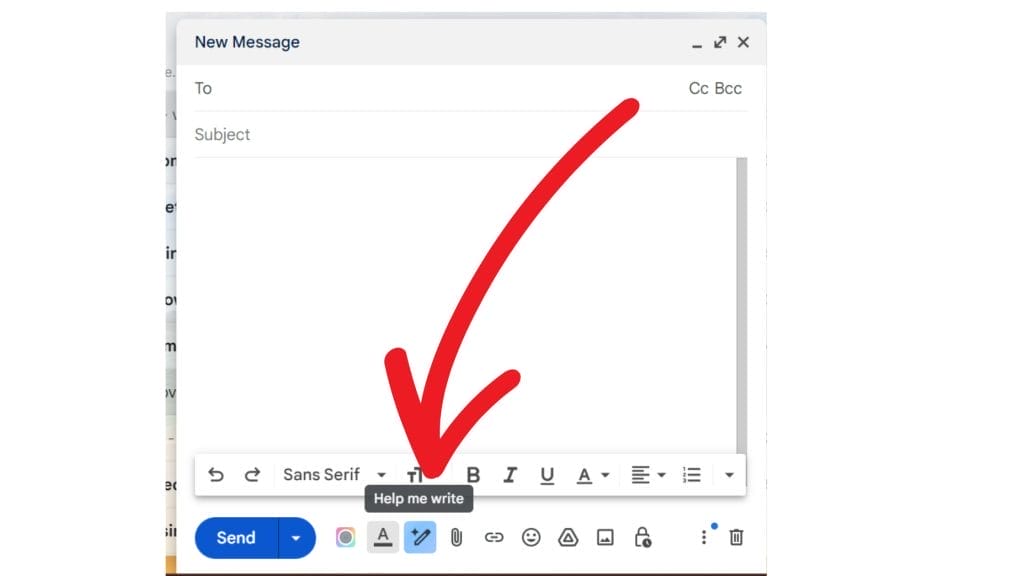
Gmail is being overhauled to place artificial intelligence directly inside everyday email workflows, with Google removing the standalone Gemini side panel for subscribers to its AI Pro and AI Ultra tiers and replacing it with in-line assistance embedded across core actions. The change marks a decisive shift away from a separate chat-style interface towards contextual AI that appears where users write, read, search and organise messages.
At the centre of the update is a redesign that weaves Gemini-powered features into Gmail's compose window, inbox view and search bar. Instead of opening a side panel to prompt the AI, users now see suggestions, summaries and drafting tools surface automatically as they work. Google says the approach reduces friction and keeps attention on the inbox rather than diverting it to an auxiliary interface.
The company has framed the move as a productivity upgrade for paying customers, particularly those handling large volumes of email. Drafting replies now triggers contextual prompts that adapt to tone and length, while long threads can be condensed into concise summaries directly above the conversation. Search results are also being refined with AI-generated highlights that surface key information without requiring users to open multiple messages.
The removal of the Gemini side panel follows months of experimentation across Workspace apps, where Google has been testing whether embedded AI delivers more value than a persistent chatbot. Internal usage data, according to people familiar with the rollout, showed that many subscribers relied on quick drafting and summarisation features but rarely engaged in extended back-and-forth chats within the side panel. Embedding AI into common tasks was seen as a way to align the technology with how email is actually used.
See also Appeals court reopens Apple App Store antitrust fightFor users on AI Pro and AI Ultra plans, the change is rolling out alongside updates to spam detection and inbox categorisation. Gemini's language models are now being used to better distinguish promotional content from time-sensitive messages and to flag emails that require action. Google says this is designed to reduce inbox overload, a persistent complaint among power users and enterprise customers alike.
The update also reflects a broader recalibration of how generative AI is positioned inside consumer software. Early deployments across the industry often emphasised conversational assistants as a headline feature. Over time, feedback has pointed towards more subtle integration, where AI operates quietly in the background to accelerate tasks rather than acting as a destination in its own right. Gmail's redesign mirrors similar moves in document editing and presentation tools, where AI suggestions appear inline rather than in separate panels.
While the Gemini side panel is being phased out in Gmail, the underlying brand is not disappearing. Google continues to use Gemini as the umbrella name for its AI models and services, and Gemini chat remains accessible through other entry points, including the dedicated app and web interface. Within Gmail, however, the emphasis is firmly on task-driven assistance rather than open-ended conversation.
Privacy and data handling remain a central concern as AI becomes more deeply embedded in personal communications. Google has reiterated that Gmail content used to generate in-line suggestions is processed in accordance with Workspace privacy commitments, and that data from paid tiers is not used to train public models. The company says controls will allow users to manage when AI features appear and to disable certain functions if they prefer a more traditional experience.
See also Tesla Optimus stumble sharpens doubts over Musk visionEarly reactions from enterprise administrators have been mixed. Some welcome the simplification, arguing that fewer visible AI elements will reduce training overhead and user confusion. Others have questioned whether removing the side panel limits flexibility for advanced use cases, such as drafting complex responses or brainstorming content that goes beyond the immediate email thread. Google has indicated that it will monitor feedback closely as the rollout progresses.
Notice an issue? Arabian Post strives to deliver the most accurate and reliable information to its readers. If you believe you have identified an error or inconsistency in this article, please don't hesitate to contact our editorial team at editor[at]thearabianpost[dot]com. We are committed to promptly addressing any concerns and ensuring the highest level of journalistic integrity.

Legal Disclaimer:
MENAFN provides the
information “as is” without warranty of any kind. We do not accept
any responsibility or liability for the accuracy, content, images,
videos, licenses, completeness, legality, or reliability of the information
contained in this article. If you have any complaints or copyright
issues related to this article, kindly contact the provider above.
Most popular stories
Market Research

More Story








Comments
No comment