






403
Sorry!!
Error! We're sorry, but the page you were looking for doesn't exist.
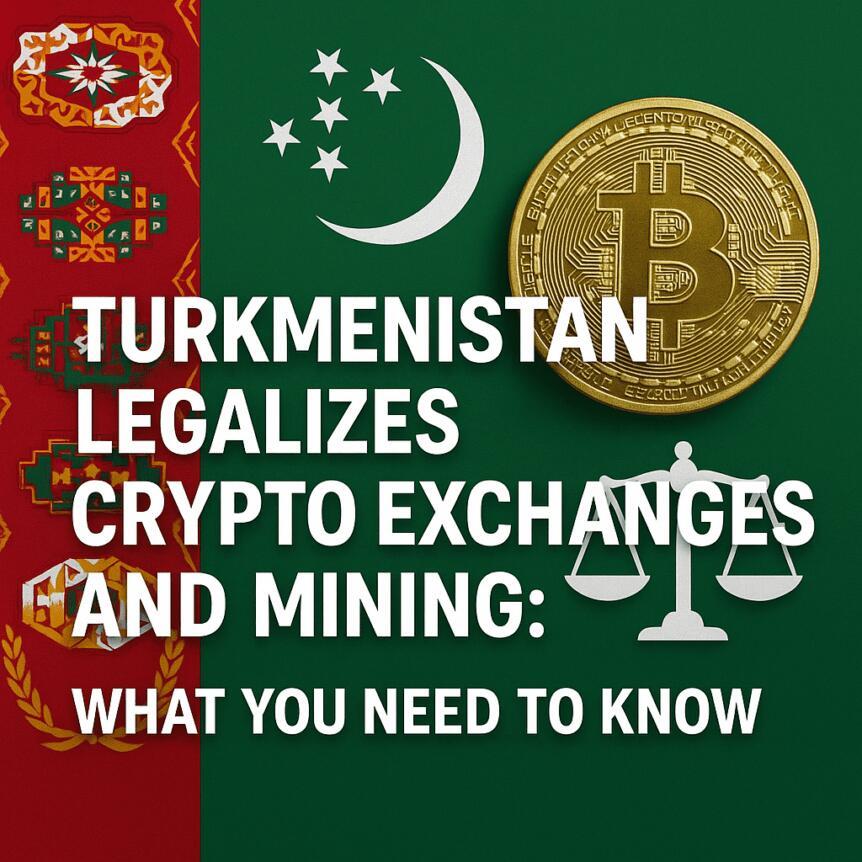
Turkmenistan Legalizes Crypto Exchanges And Mining: What You Need To Know
(MENAFN- Crypto Breaking) Turkmenistan Legalizes Cryptocurrency Mining and Trading
Crypto assets are highly volatile. Your capital is at risk. Don't invest unless you're prepared to lose all the money you invest.
Cryptocurrency mining and trading have officially been legalized in Turkmenistan following the enactment of new legislation signed into law by President Serdar Berdimuhamedow in late November. The law, which came into effect this week, marks a significant shift for the traditionally isolated Central Asian nation, opening new avenues for economic diversification beyond its reliance on natural gas exports. The move aligns Turkmenistan with regional neighbors such as Kazakhstan, which has seen a surge in crypto mining activity driven by surplus energy resources.
Under the new regulations, both residents and non-residents registered in Turkmenistan are permitted to mine cryptocurrencies. This liberalization aims to attract foreign investment and leverage the country's expansive energy infrastructure to support the crypto sector. Cryptocurrency exchanges operating within Turkmenistan will need to obtain licenses, implement Know-Your-Client (KYC) protocols, and adhere to anti-money laundering (AML) standards, ensuring a regulated environment for digital asset trading.
However, the law clarifies that cryptocurrencies are not officially recognized as legal tender, currency, or security within Turkmenistan's regulatory framework. This approach reflects the country's cautious stance, balancing openness to crypto activities with a desire to maintain control over its financial ecosystem.
Crypto mining pools, including those based abroad, are now permitted to operate within Turkmenistan, providing access to global liquidity and infrastructure. Meanwhile, local crypto exchanges are expected to follow strict licensing procedures, emphasizing compliance in their operations.
Regional Crypto Adoption on the RiseTurkmenistan's move is part of a broader trend in Central Asia, where neighboring Kazakhstan has emerged as a major hub for Bitcoin mining, especially after China's crackdown on crypto trading in 2021. Kazakhstan has become one of the world's leading mining destinations, thanks to its abundant energy resources. Similarly, Pakistan has made notable advances, establishing the Pakistan Virtual Assets Regulatory Authority, allowing licensed exchanges such as Binance and HTX to operate, and appointing prominent industry figures-including former Binance CEO Changpeng Zhao-as strategic advisors.
Despite these positive developments, the pace of crypto adoption in Turkmenistan may face challenges. The government maintains tight control over internet access, financial activities, and foreign investment, which could hinder wider adoption and infrastructure growth. Nonetheless, the recent legal framework signals a cautiously optimistic approach towards integrating cryptocurrencies into the country's economy.
As regional dynamics evolve, Turkmenistan's steps towards regulatory clarity could mark a new chapter for crypto in Central Asia, fostering greater participation and economic opportunity in an otherwise insular nation.
Crypto Investing Risk WarningCrypto assets are highly volatile. Your capital is at risk. Don't invest unless you're prepared to lose all the money you invest.

Legal Disclaimer:
MENAFN provides the
information “as is” without warranty of any kind. We do not accept
any responsibility or liability for the accuracy, content, images,
videos, licenses, completeness, legality, or reliability of the information
contained in this article. If you have any complaints or copyright
issues related to this article, kindly contact the provider above.
Most popular stories
Market Research

More Story








Comments
No comment