








403
Sorry!!
Error! We're sorry, but the page you were looking for doesn't exist.
Letter To Editor: Microplastics Are Turning Kashmir Into A Toxic Zone
(MENAFN- Kashmir Observer)
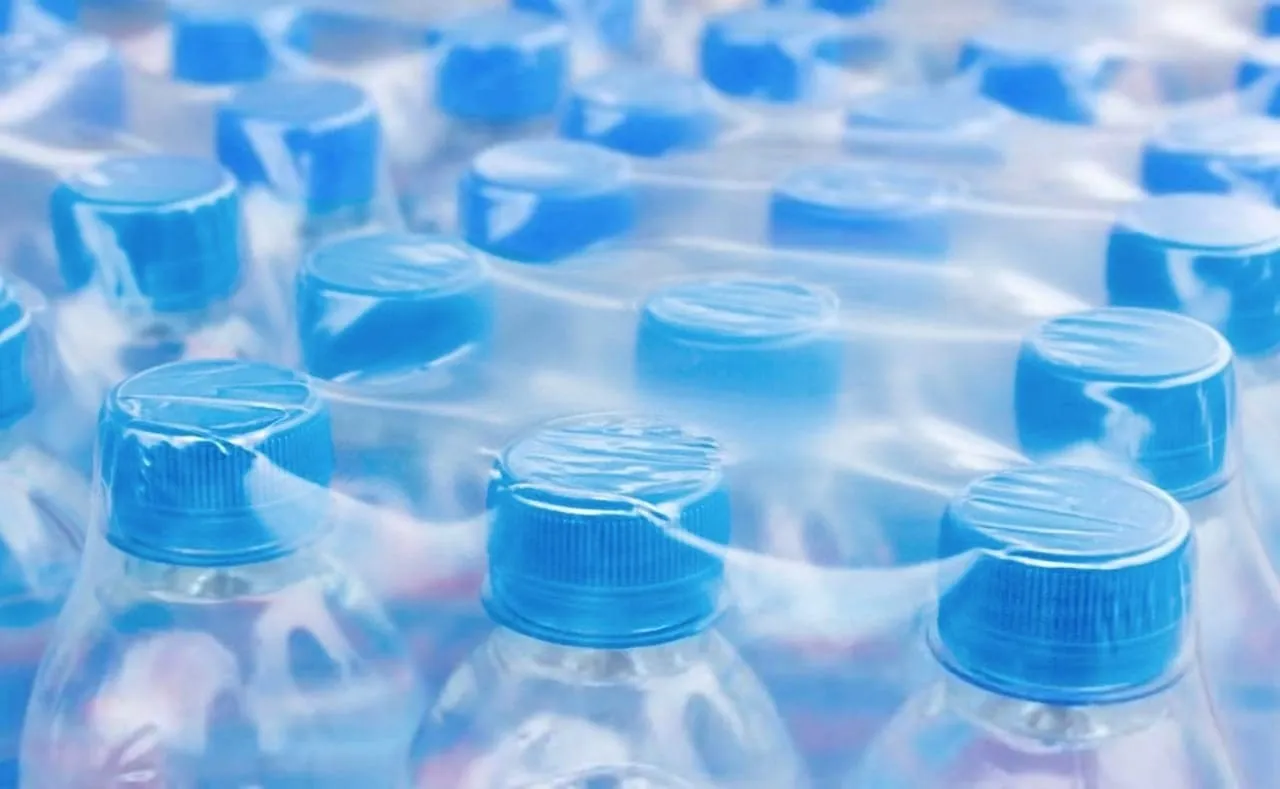
Representational Photo
Representational Photo
On a cold winter morning, a stream in central Kashmir seems pure and clear. A shepherd fills a pail for his flock, oblivious to the unseen shards of a growing modern problem flowing with it.
Tiny bits of broken plastic float through the water like uninvited guests, traveling from soil to crops to people without any warning, smell, or way to see them. Their silent invasion has left communities across the valley uneasy.
Plastic entered Kashmiri life as a promise of convenience. It wrapped medicines in hospitals, protected groceries from the dust of long journeys, and lowered costs for families with tight budgets. The material arrived as a marker of progress.
ADVERTISEMENTOver the years, something harsher unfolded. Streets filled with single-use packets. Playfields collected bottles after picnics. Streams carried discarded bags through orchards. No corner of daily life remained untouched.
Researchers studying microplastics describe them as tiny particles that slip into everything: air, food, water and the bloodstream. Health scientists warn that these particles can disturb metabolism and damage cells. The long-term effects remain under study, though early findings suggest links to respiratory issues, hormonal disruptions and rising risks during pregnancy. Infants and children face the highest vulnerability due to their developing organs.
These concerns mirror wider global alarms, especially for communities with already limited access to safe water. According to World Health Organization estimates, hundreds of millions of rural residents worldwide still struggle to secure clean drinking sources.
Kashmir's landscape absorbs this burden in ways that feel deeply personal. A fisherman in Bandipora pulls his nets from Wular Lake and finds them snagged with debris instead of trout. Farmers complain that soil packed with plastic loses its breathability, weakening crop cycles. Wildlife rescuers speak of injured animals caught in polythene waste along wetlands.
Each incident adds to a collective sense of erosion, of land, health and trust in what once felt pure.
Schools across the region have become frontline responders. Students carry handmade placards calling for change, while teachers run clean-up drives and fold sustainability into daily lessons.
These efforts nurture a new form of civic responsibility. They also acknowledge the uncomfortable truth that community behaviour fuels much of the problem.
When households rely on disposable packaging, vendors hand out plastic bags with every sale, and tourists leave behind picnic waste, the valley pays the cost.
Solutions start with small steps. Carry cloth or gunny bags for shopping. Use fewer single-use bottles. Pick safer ways to store everyday items. Make sure trash is disposed of properly in towns and villages. Follow rules for production and recycling.
Every little change slows the spread of tiny particles that now touch almost everything around us.
Sincerely

Legal Disclaimer:
MENAFN provides the
information “as is” without warranty of any kind. We do not accept
any responsibility or liability for the accuracy, content, images,
videos, licenses, completeness, legality, or reliability of the information
contained in this article. If you have any complaints or copyright
issues related to this article, kindly contact the provider above.
Most popular stories
Market Research

More Story






Comments
No comment