






403
Sorry!!
Error! We're sorry, but the page you were looking for doesn't exist.
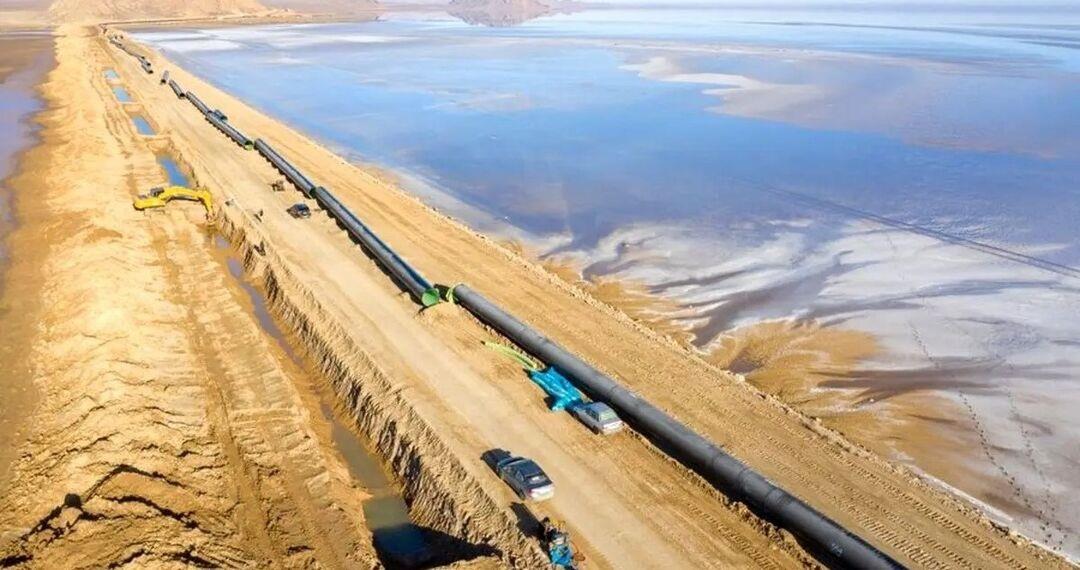
Iran Channels Desalinated Seawater Into Its Parched Heartland
(MENAFN- Kashmir Observer)
Iran inaugurates 800-km desalinated seawater pipeline
Iran inaugurates 800-km desalinated seawater pipeline
Tehran ~ Iran has launched one of its most ambitious infrastructure projects to date - an 800-kilometre pipeline transporting desalinated seawater from the Gulf of Oman to the central plateau - even as new satellite images and meteorological assessments reveal the country is battling its worst water crisis in half a century.
President Masoud Pezeshkian inaugurated the project on Saturday in Sirjan, calling it a“strategic lifeline” intended to secure water for drought-stricken industrial hubs such as Isfahan.
A $291M Megaproject
ADVERTISEMENTBuilt in just two years at a cost of about $291.6 million, the pipeline will carry desalinated water to Isfahan province, home to Mobarakeh Steel, Iran's largest industrial enterprise. The steel giant provided significant technical and financial support.
For decades, industries in Isfahan have relied on the Zayandehrud, once one of Iran's most iconic rivers but now dry for much of the year due to chronic drought, upstream diversions and mismanagement.
Pezeshkian said the new project will: Reduce reliance on depleted inland rivers, Guarantee stable water supplies for industries and Prevent production shutdowns caused by periodic shortages.
He added that Iran must shift industrial expansion toward the southern coasts, where the Oman Sea and Persian Gulf offer more reliable water and energy resources.
A Pivot Toward a Marine Economy
Iran is tying the water-transfer megaproject to a broader national reorientation toward a marine economy, anchored along the Makran coast.
The strategy includes:
- Modernising major ports such as Chabahar, Bandar Abbas, and Bushehr Developing coastal industrial zones Expanding renewable energy projects including wind, solar, tidal and wave energy Growing aquaculture, marine biotechnology and algae-based biofuels Attracting private and foreign investment to maritime industries
Officials say this pivot is necessary to reduce pressure on fragile inland ecosystems and to harness the country's strategic access to open seas.
Cloud-Seeding

Legal Disclaimer:
MENAFN provides the
information “as is” without warranty of any kind. We do not accept
any responsibility or liability for the accuracy, content, images,
videos, licenses, completeness, legality, or reliability of the information
contained in this article. If you have any complaints or copyright
issues related to this article, kindly contact the provider above.
Most popular stories
Market Research

More Story








Comments
No comment