




403
Sorry!!
Error! We're sorry, but the page you were looking for doesn't exist.
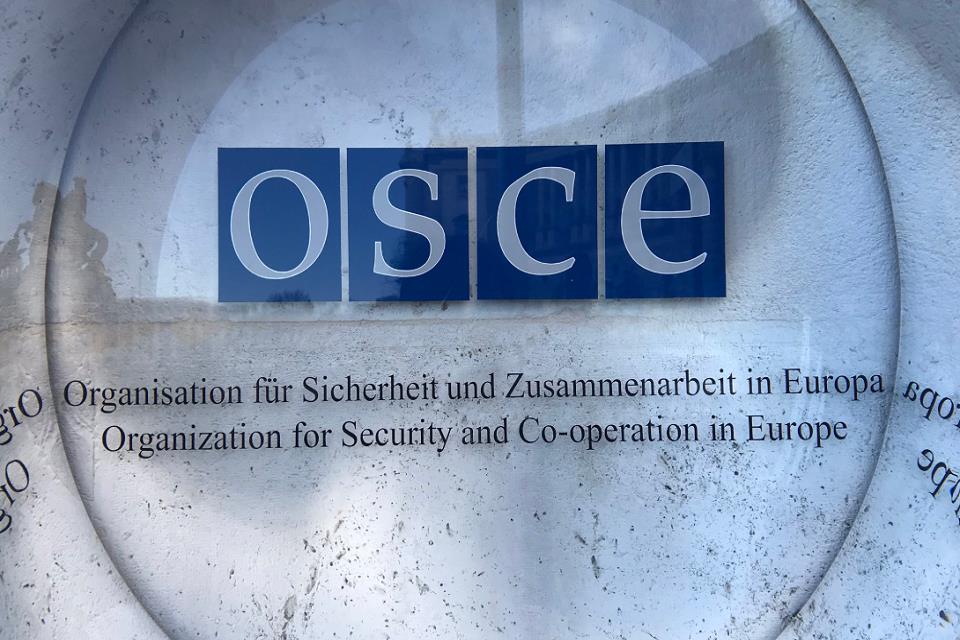
Minsk Group's Lost Decades: How Ineffective Mediation Prolonged Garabagh Conflict
(MENAFN- AzerNews)
Akbar Novruz
Read more
For nearly three decades, the former Garabagh conflict was trapped in a cycle of meetings, proposals, and mediations that led nowhere. The OSCE Minsk Group convened countless sessions, yet the occupied territories remained under foreign control, and Azerbaijan's sovereignty hung in limbo. When Armenian Prime Minister Nikol Pashinyan recently released archival documents from these negotiations, Maria Zakharova's criticism highlighted a technical breach of protocol. But beyond ethics, the files expose a deeper truth: the mediation process itself was ineffective, and the long stalemate required pragmatic action on the ground to restore justice.
The statement by Maria Zakharova, official representative of the Russian Foreign Ministry, regarding Armenia's release of OSCE archival documents has sparked renewed discussion about the Garabagh peace process. Zakharova criticized the Armenian government for publishing working documents and correspondence of the Minsk Group without consulting other parties, calling it a violation of diplomatic norms and a threat to the atmosphere of trust built over the years.
While Zakharova's point is valid in terms of procedural etiquette, it cannot overshadow the more fundamental issue: the OSCE Minsk Group's long record of ineffectiveness. Established in 1992, the Minsk Group held numerous meetings and facilitated countless proposals, including the package plan, phased solutions, and the 5+2 formula. Yet, decades of negotiations failed to restore Azerbaijan's territorial integrity. Russia, as a co-founder and permanent co-chair, was deeply involved in this system, sharing responsibility for the repeated inability to secure results.
The recently published archives reveal the real dynamics of these negotiations. They include correspondence, analytical reports, internal notes, and letters, among which a particularly telling document is the 2016 letter from Armenian President Serzh Sargsyan to Vladimir Putin. Following the April 2016 clashes, Sargsyan acknowledged Armenia's strategic impasse and the irreversible shift in the balance of power favoring Azerbaijan. His letter underscores how Armenia sought to preserve the status quo rather than pursue genuine compromise, viewing the Minsk Group not as a neutral mediator but as a tool to leverage pressure against Baku.
This evidence confirms that the conflict's prolonged nature was not due to the absence of diplomacy but to the inefficiency and bias of the mediation process. Meetings and consultations, numbering in the dozens over the years, rarely led to concrete action. Resolutions were delayed, proposals were diluted, and the status quo of occupation persisted. Meanwhile, Azerbaijan pursued a pragmatic strategy: building its economic and military potential, asserting its legal rights internationally, and maintaining diplomatic discipline until the opportunity arose to restore its territories decisively.
The 44-day war in 2020 and subsequent anti-terrorist operations broke the cycle of endless talks. The conflict's resolution demonstrated that facts on the ground, backed by strategic planning, ultimately shaped the diplomatic process. The parties faced losses once again, and blood was shed; however, the ongoing conflict found a pragmatic and factual solution. The Armenian leadership has accepted this, regardless of how difficult it was initially. Today, the peace agreement that has been initialled reflects this reality. The result is clear: the peace treaty has already been initialled, and the status quo has long been dire; the progress is on the rails of success. The OSCE Minsk Group, despite decades of activity, could not achieve what decisive action accomplished in mere weeks.
Zakharova's criticism, therefore, highlights a tension between procedure and results. The ethical breach of publishing archives exists on paper, yet the documents reveal the incompetence that allowed the conflict to remain unresolved for decades. The Garabagh case illustrates a vital lesson: diplomacy without tangible outcomes is ineffectual. Long-standing international mechanisms, no matter how well-intentioned, cannot replace strategy, patience, and pragmatic measures when national sovereignty is at stake.
In the end, the resolution of the Garabagh conflict stands as both a legal and practical vindication of Azerbaijan's approach. It underscores that while mediation is valuable, it must be coupled with action, strategic foresight, and the willingness to assert rights on the ground. The OSCE Minsk Group's failures serve as a cautionary tale, and the archival revelations demonstrate that transparency, even when uncomfortable, can expose truths that negotiations alone often obscure.

Legal Disclaimer:
MENAFN provides the
information “as is” without warranty of any kind. We do not accept
any responsibility or liability for the accuracy, content, images,
videos, licenses, completeness, legality, or reliability of the information
contained in this article. If you have any complaints or copyright
issues related to this article, kindly contact the provider above.
Most popular stories
Market Research

More Story



Comments
No comment