




403
Sorry!!
Error! We're sorry, but the page you were looking for doesn't exist.
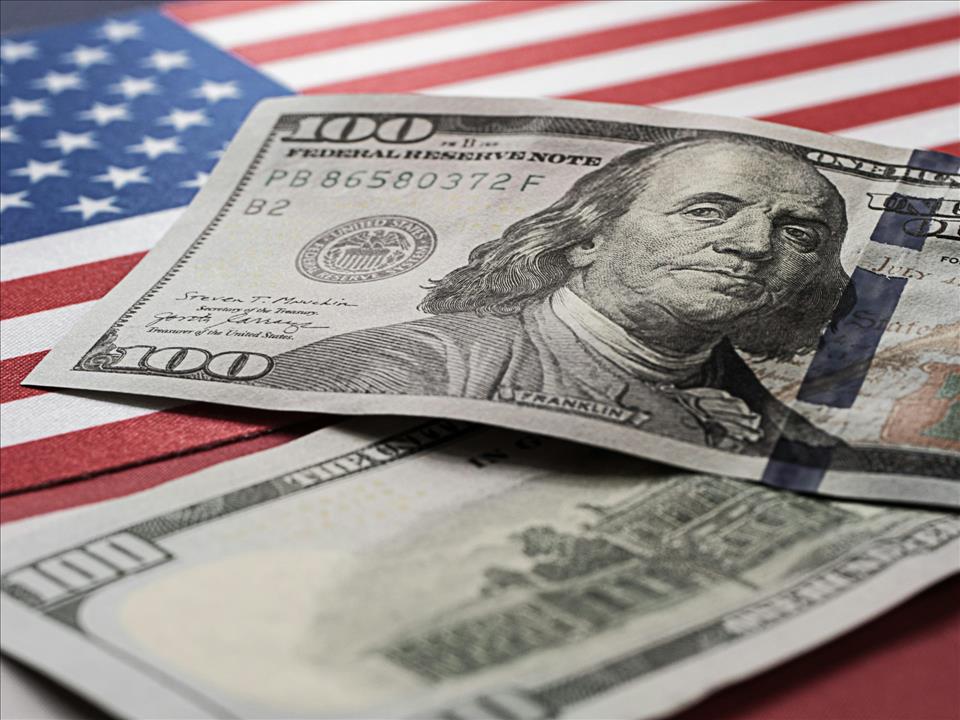
Is The Dominance Of The US Dollar Unravelling Under Trump?
Author: Fabian Pape
(MENAFN- The Conversation) The US has long sat at the centre of the global financial system, with the US dollar serving as the backbone of the world economy. Private investors rely on the dollar as a store of value in times of uncertainty.
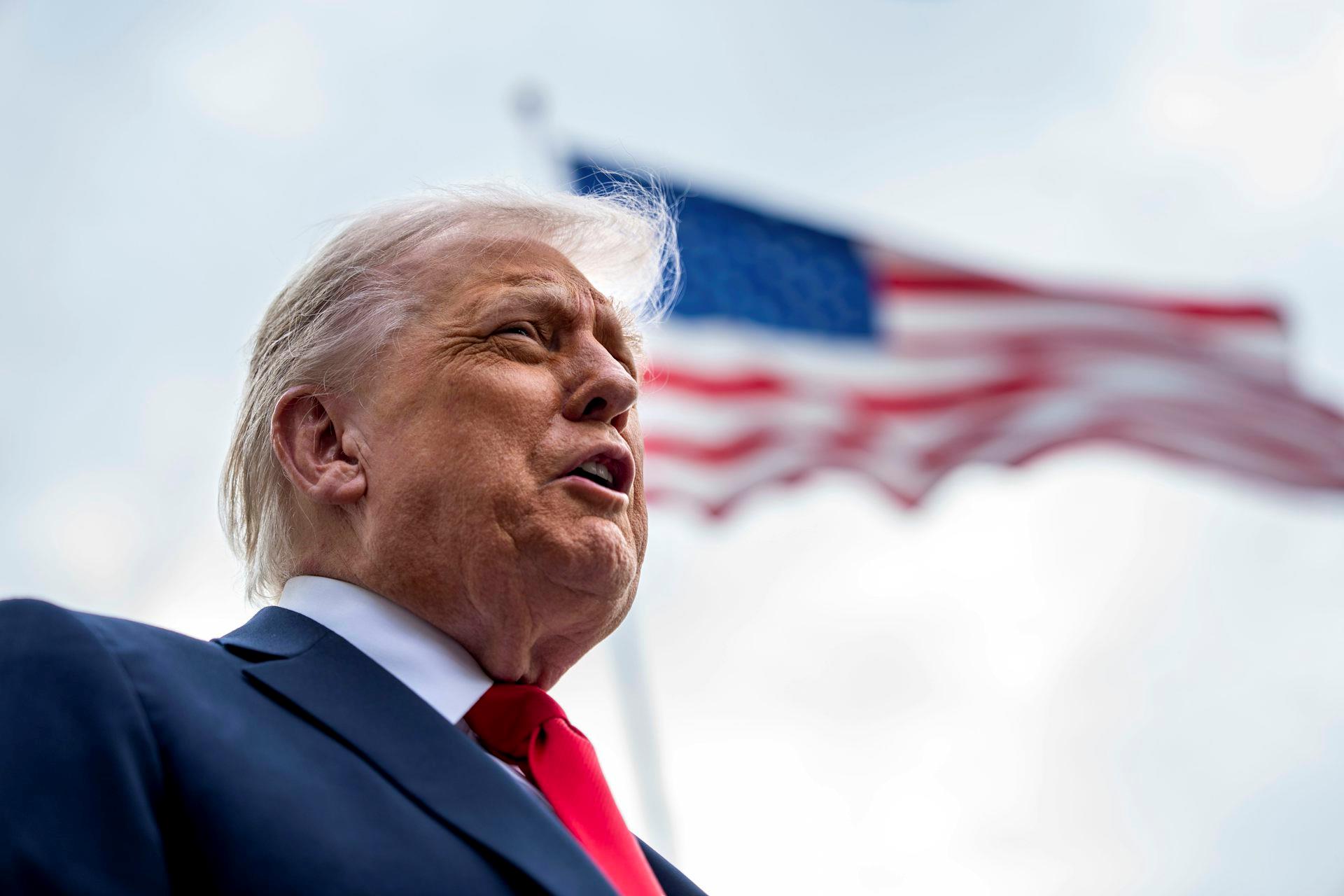
The US president, Donald Trump, speaks to the press before boarding a flight to the UK in September 2025. Bonnie Cash / EPA Rupture of trust![Jerome Powell announcing Fed interest-rate policy in front of a US flag.]()
Donald Trump has sought to increase his administration's control over the Fed, frequently demanding that Jerome Powell is replaced. Jim Lo Scalzo / EPA

Governments and central banks hold dollars to manage the value of their own currencies and as a form of insurance against economic shocks. Key commodities such as oil are also priced in dollars.
This dominant position, which has given the US enormous privileges including the capacity to borrow money cheaply and the ability to use the global financial system as a tool of statecraft, is often explained through the size and stability of US markets and the strength of its institutions. But beneath these economic fundamentals lies something more intangible: trust.
Countries and private financial institutions hold dollars, trade in dollars and borrow in dollars because they trust the US to maintain an open, rules-based international order. They also trust the US to honour contracts, protect property rights and manage the world's financial plumbing responsibly by acting as an international lender of last resort during periods of crisis.
The dollar system has long had its critics. In the aftermath of the global financial crisis, which occurred between 2007 and 2009, emerging economies faced severe spillovers from US monetary policy and growing exposure to dollar-denominated debt. They also witnessed the increasing use of financial sanctions as a tool of US foreign policy.
China, Russia, India and other countries outside the west began constructing alternative financial infrastructures – new payment systems, currency swap lines and efforts to internationalise their own currencies. What began as a gradual search for some form of protection from US financial power quietly created cracks at the margins of the dollar-based system.
However, nothing has been as disorienting to the global role of the dollar as the second Trump administration's overt attacks on the liberal international economic order. The imposition of sweeping trade tariffs, as well as efforts to undermine international and domestic institutions, represent a fundamental break with the promise of responsible American financial leadership.
Previous predictions of the dollar's decline have proved premature. But as we argue in a recently published paper, the erosion of trust in the US as the steward of the liberal international order should be taken seriously. What we are seeing is not the immediate collapse of US financial power, but the beginning of a slow transition towards a fragmented, multipolar – and less predictable – global monetary system.
The US president, Donald Trump, speaks to the press before boarding a flight to the UK in September 2025. Bonnie Cash / EPA Rupture of trust
Three developments stand out. First, Washington's commitment to the liberal economic order under the leadership of Donald Trump is being widely questioned. Rather than acting as the guarantor of open markets, Trump has reframed global trade as a transactional system where countries must“buy down” US tariffs. This means other countries must essentially now buy American Treasuries and other securities in exchange for access to the US market.
Second, surging US debt is increasing doubts about US fiscal stability. The Trump administration's major tax cuts and spending plans are projected to create persistent deficits of around 6% of GDP, and US government debt has ballooned to record levels. This has prompted foreign central banks to reduce their dollar holdings.
Third, the Trump administration is openly attacking and undermining US government agencies and the country's central bank, the Federal Reserve. Trump has repeatedly threatened to replace the current Fed chair, Jerome Powell, and dismiss other central bank officials since returning to the White House in January.
Central bank independence is considered a hallmark of credible monetary governance and undermining it raises doubts about whether the US remains a reliable anchor for the global financial system. According to Reuters, European officials are now openly questioning whether the Fed will continue to supply dollars to overseas central banks at times of financial strife.
Taken together, these actions are striking at the core foundation of dollar dominance: the assumption that the US will behave predictably, responsibly and with institutional restraint.
Donald Trump has sought to increase his administration's control over the Fed, frequently demanding that Jerome Powell is replaced. Jim Lo Scalzo / EPA
Despite the turbulence, no single currency is ready to replace the dollar. China's renminbi still lacks open capital markets and strong legal protections, while the euro lacks a unified fiscal authority. New digital currency platforms remain experimental or speculative.
Still, the world is moving towards a more fragmented monetary landscape. Countries are diversifying their reserves into gold and other non-dollar assets. At the same time, regional payment systems are proliferating and dollar-denominated lending to emerging economies is declining.
Commodities are also priced increasingly in currencies other than the dollar. And no longer are only countries like China retreating from the dollar system, even US allies in Europe are encouraging banks to reduce their reliance on dollar funding.
The global economy is entering a financial interregnum – a period in which the old order is fading but the new one is not yet born. The dollar's dominance will not vanish overnight as too many institutions and networks still rely on it. But its uncontested supremacy is coming to an end.
A fragmented financial system will reduce US leverage, while also making the global economy more complex and, possibly, more crisis-prone. The dollar is not dead. But the world is slowly preparing for life beyond dollar hegemony, and the second Trump administration may be the catalyst that turns long-running dissatisfaction into systemic change.
Institution:European University Institute

Legal Disclaimer:
MENAFN provides the
information “as is” without warranty of any kind. We do not accept
any responsibility or liability for the accuracy, content, images,
videos, licenses, completeness, legality, or reliability of the information
contained in this article. If you have any complaints or copyright
issues related to this article, kindly contact the provider above.
Most popular stories
Market Research

More Story








Comments
No comment