


Train Dreams On Netflix Is A Beautiful Film But It Misses The Magic Of The Original Novella


I have always liked this story because it brings to life the eerie and unsettling world of the American frontier. Train Dreams is a novella where each event and detail seems significant, fused into a larger tapestry of meaning.
And yet, by the end of the book, the reader struggles to explain exactly what has happened. The effect is one of deep disturbance – somewhere between alienation, curiosity and longing. I imagine it bewitching the Pulitzer panel, stunning them into indecision.
The new movie, adapted and directed by Clint Bentley and now streaming on Netflix, is a beautiful meditation on themes of grief and loss, and a frank account of an important phase in the history of environmental crisis. Whether you're a fan of Johnson's writing or have never read him before, you should take the time to watch it.
However, while the film is mostly loyal to Johnson's plot, it doesn't take the novella's risk of refusing explanation or resolution. As such, it loses the spirit of unsettling indirection that comprises the magic of the original.
The trailer for Train Dreams.
Set in the late-19th and early-20th centuries, Train Dreams tells the story of Robert Grainier (played in the film by Joel Edgerton), an orphan-turned-logger who scratches a living together by cutting down trees and building railroads for the emerging US superpower. During one bridge-building job, he is involved in an incident in which an indentured Chinese labourer is wrongly accused of stealing, then punished by mob justice. Grainier's guilt over his minor involvement in this episode haunts him for the rest of his life.
When a forest fire destroys his isolated log cabin, and his wife and only daughter disappear in the melee, Grainier feels the disaster must be some kind of retribution for his earlier misdeed. As I explore in one of the few academic papers written about Train Dreams, the novella also intimates a structural link between the ecological devastation wrought by industrial civilisation and the accelerating instability of our planetary home.
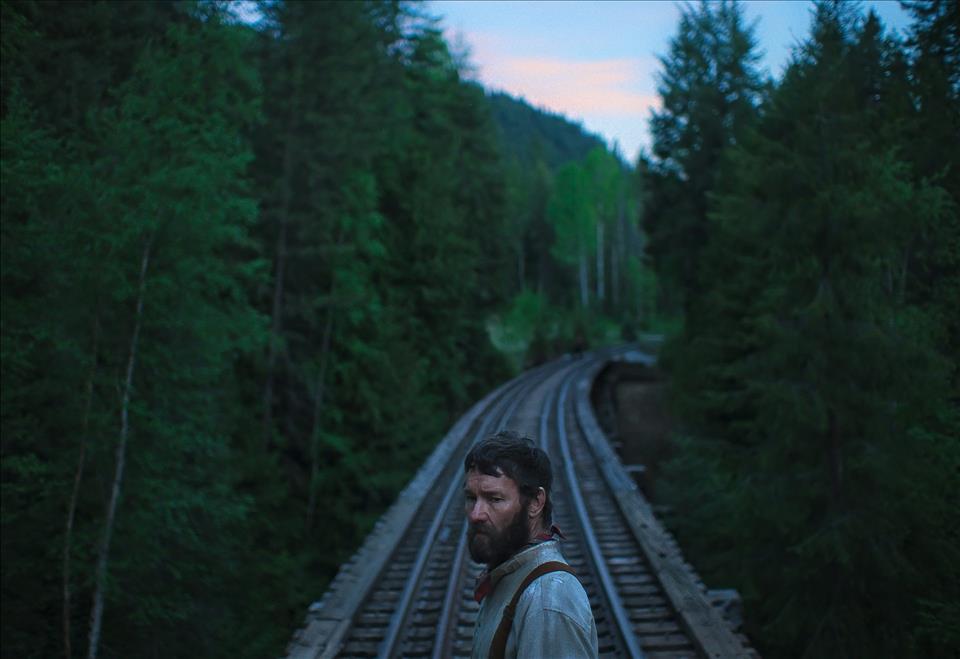
The film adaptation takes up these themes and makes them impossible to miss. In a world where deaths from forest fires are an annual occurrence, its scenes of smoke-ridden skies and charred landscapes are entirely believable – a matter of routine rather than spectacle. This underlying moral message of climate grief is communicated through exquisite landscape scenes, with felled trees falling through canopies and fire-breathing trains roaring over waterways.
But the film also pulls back from the most unforgiving elements of the novella's critique. In the adaptation, the one Indigenous character, Kootenai Bob, lives peacefully in the local village. In Johnson's original, he is swindled, bullied and attacked by white settlers, before being symbolically killed by an oncoming train.
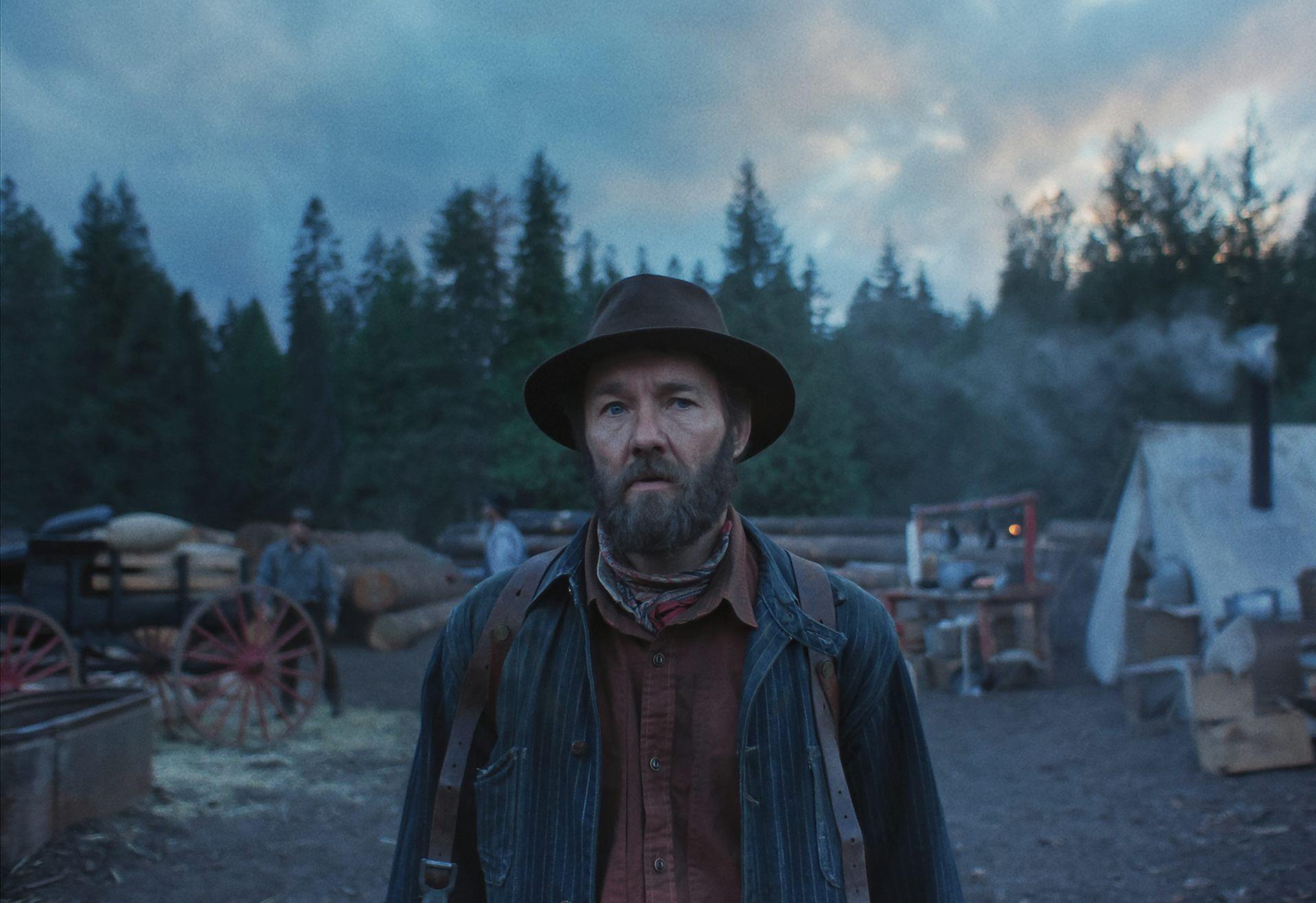
Joel Edgerton as Robert Grainier in Train Dreams. Courtesy of Netflix
The novella refuses the reader the comfort of decoupling contemporary climate disasters from the long histories of settler colonialism and racial violence that made the American frontier. These issues are still present in the movie, but they are smoothed over into something more palatable for mainstream audiences.
This is not, however, the movie's greatest betrayal. A strange event haunts the ending of both novella and film, which I can say without spoiling either has to do with Grainier's missing daughter. The brilliance of Johnson's original work is that the utter bizarreness of this incident defies any single interpretation, problematising rather than explaining the rest of the story.
The movie maintains some of this ambiguity but ultimately reduces the scene to a dream sequence. It seems neither the boards of Netflix nor the Pulitzer prize could quite stomach the true weirdness of Train Dreams.
Johnson's title intentionally evokes the righteous promise of the American dream and then disturbs it, blurring the promise of the frontier into an ethereal mirage of hope and sorrow.
The Netflix adaptation drives into these themes and does many of them justice. But whether you have watched the film and enjoyed it or not, I would urge you to pick up a copy of this short book and let it unsettle you. It will take you weeks to shake off the uncanny howling of wolves that rings in your ears after reading.
Looking for something good? Cut through the noise with a carefully curated selection of the latest releases, live events and exhibitions, straight to your inbox every fortnight, on Fridays. Sign up here.
This article features references to books that have been included for editorial reasons, and may contain links to bookshop. If you click on one of the links and go on to buy something from bookshop The Conversation UK may earn a commission.


Legal Disclaimer:
MENAFN provides the
information “as is” without warranty of any kind. We do not accept
any responsibility or liability for the accuracy, content, images,
videos, licenses, completeness, legality, or reliability of the information
contained in this article. If you have any complaints or copyright
issues related to this article, kindly contact the provider above.


Comments
No comment