




403
Sorry!!
Error! We're sorry, but the page you were looking for doesn't exist.

California Move Could Reshape Autonomous Truck Testing
(MENAFN- The Arabian Post)
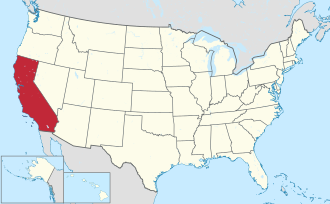
California's effort to advance autonomous freight transport moved a step forward as the state's Department of Motor Vehicles unveiled a proposal to lift the long-standing prohibition on testing heavy self-driving trucks on public highways. The move sets the stage for a significant shift in how freight could be moved across the state, opening a path for commercial deployment as early as 2027 if safety benchmarks are met and regulatory approvals proceed without delay.
The proposal outlines a structured regulatory framework that would allow the testing and eventual deployment of autonomous trucks weighing more than 10,000 pounds, a category that includes nearly all commercial freight vehicles. Current state rules permit autonomous testing only for light-duty vehicles, effectively excluding the trucking sector despite the rapid expansion of autonomous freight pilots in other parts of the United States. The DMV's draft rules are designed to balance innovation with public safety, requiring stringent certification procedures, real-time remote oversight and comprehensive reporting standards for companies seeking licences.
California's transport and technology ecosystem has been under pressure to remain competitive, with several companies warning that strict state limitations risked pushing freight-related innovation and investment to states such as Texas, Arizona and New Mexico, where autonomous trucking on highways is already permitted. Industry executives argue that the proposed changes could stabilise testing conditions for companies developing long-range autonomous systems and support supply-chain enhancements that rely on faster and more predictable freight movement. Some firms have maintained that eliminating driver fatigue and human error from highway operations could reduce collision rates and cut long-haul delivery times significantly.
See also Hyundai rolls out production-ready MobED robot platformLabour unions, however, have voiced strong concerns. The International Brotherhood of Teamsters has warned that automated trucking could lead to widespread job losses among commercial drivers and has urged lawmakers to maintain the current restrictions until long-term employment protections are in place. Union representatives have argued that the deployment timeline suggested by developers fails to account for the broader social and economic consequences of removing drivers from freight corridors. They have also emphasised the need for guarantees on worker retraining and oversight mechanisms that prevent unchecked commercial expansion.
State legislators are preparing for a lengthy policy debate, particularly after the governor vetoed a bill earlier this year that would have required a safety operator inside every autonomous truck. The veto prompted a strong backlash from labour groups but was welcomed by technology firms seeking consistency with states where remote-operated autonomous freight is already being tested. The DMV's proposal reflects elements of that debate, including mandatory safety-driver requirements for early testing phases and more flexible provisions for later stages if companies demonstrate compliance with performance and safety metrics.
Technology developers building highway-grade autonomous systems have indicated that expanding testing into California would improve the quality of training data, especially given the state's varied terrain, dense freight corridors and complex regulatory environment. Several companies have said that California-based testing is critical for refining software that must handle steep gradients, heavy traffic flows and diverse weather patterns. Autonomous truck manufacturers have also highlighted environmental considerations, noting that smoother and more predictable driving patterns could lower emissions compared with conventional long-haul operations.
See also K2 and Baidu Join Forces to Boost Autonomous FleetPublic-safety advocates have welcomed parts of the proposal, particularly the requirements for independent evaluations, detailed incident reporting and emergency-response coordination. Road-safety researchers note that while autonomous-driving systems have shown promise on controlled long-distance routes, highway-testing programmes must be carefully phased to avoid creating new risks for passenger vehicles. Analysts point out that the proposal's emphasis on transparent data sharing could help regulators track performance milestones and intervene early if safety issues arise.
The timeline indicated by technology developers suggests that if testing is authorised next year and expanded progressively, commercial freight operations using autonomous trucks could begin before the end of 2027. This estimate assumes that the DMV finalises the rule-making process without major legislative obstacles and that companies meet the technical standards required for pilot deployments. The freight industry is watching the process closely, as California's position often influences federal and state-level regulatory strategies.
Notice an issue? Arabian Post strives to deliver the most accurate and reliable information to its readers. If you believe you have identified an error or inconsistency in this article, please don't hesitate to contact our editorial team at editor[at]thearabianpost[dot]com. We are committed to promptly addressing any concerns and ensuring the highest level of journalistic integrity.

Legal Disclaimer:
MENAFN provides the
information “as is” without warranty of any kind. We do not accept
any responsibility or liability for the accuracy, content, images,
videos, licenses, completeness, legality, or reliability of the information
contained in this article. If you have any complaints or copyright
issues related to this article, kindly contact the provider above.
Most popular stories
Market Research

More Story







Comments
No comment