




403
Sorry!!
Error! We're sorry, but the page you were looking for doesn't exist.
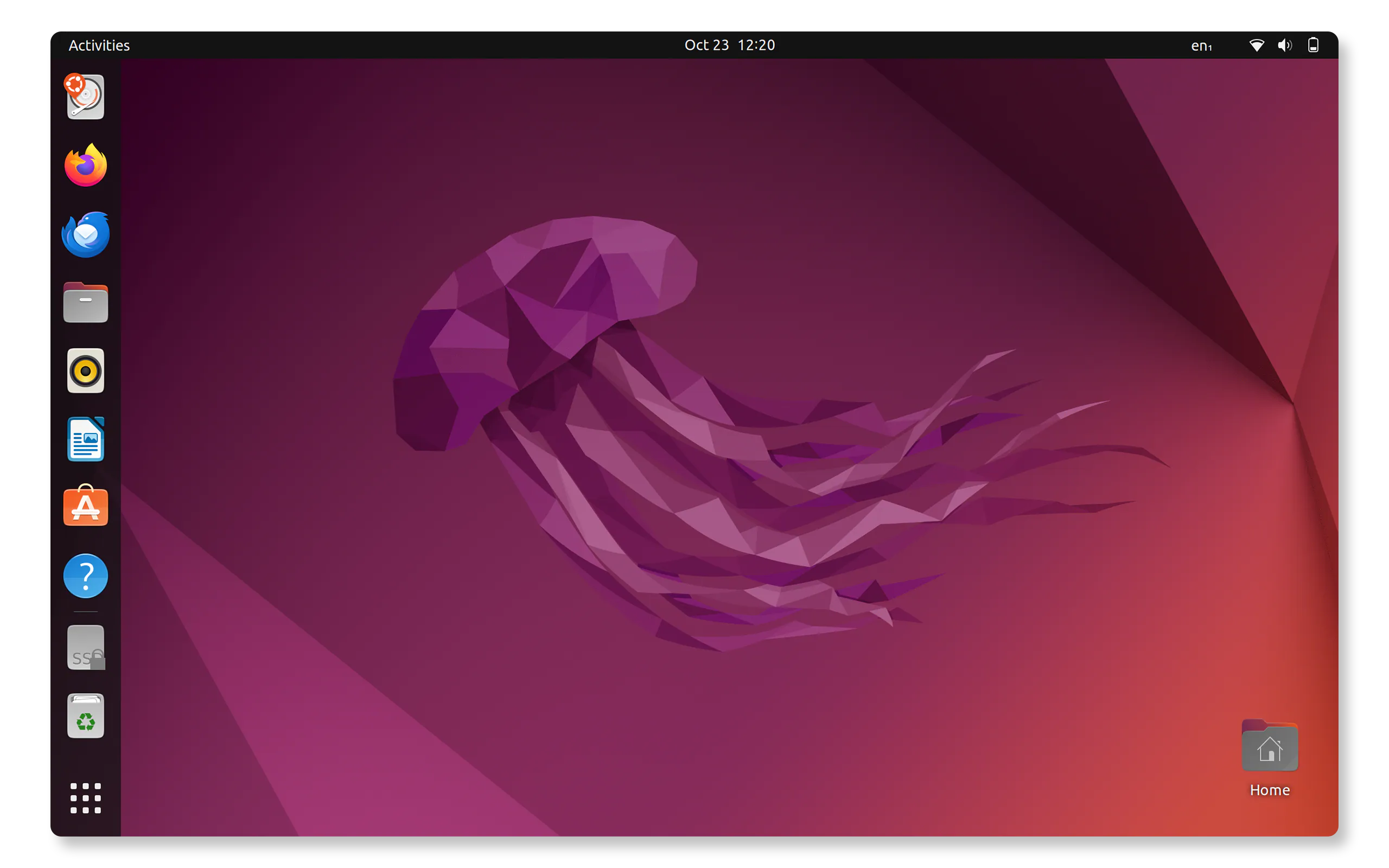
Canonical To Scrap Current Ubuntu Wiki For Rebuilt Platform
(MENAFN- The Arabian Post)
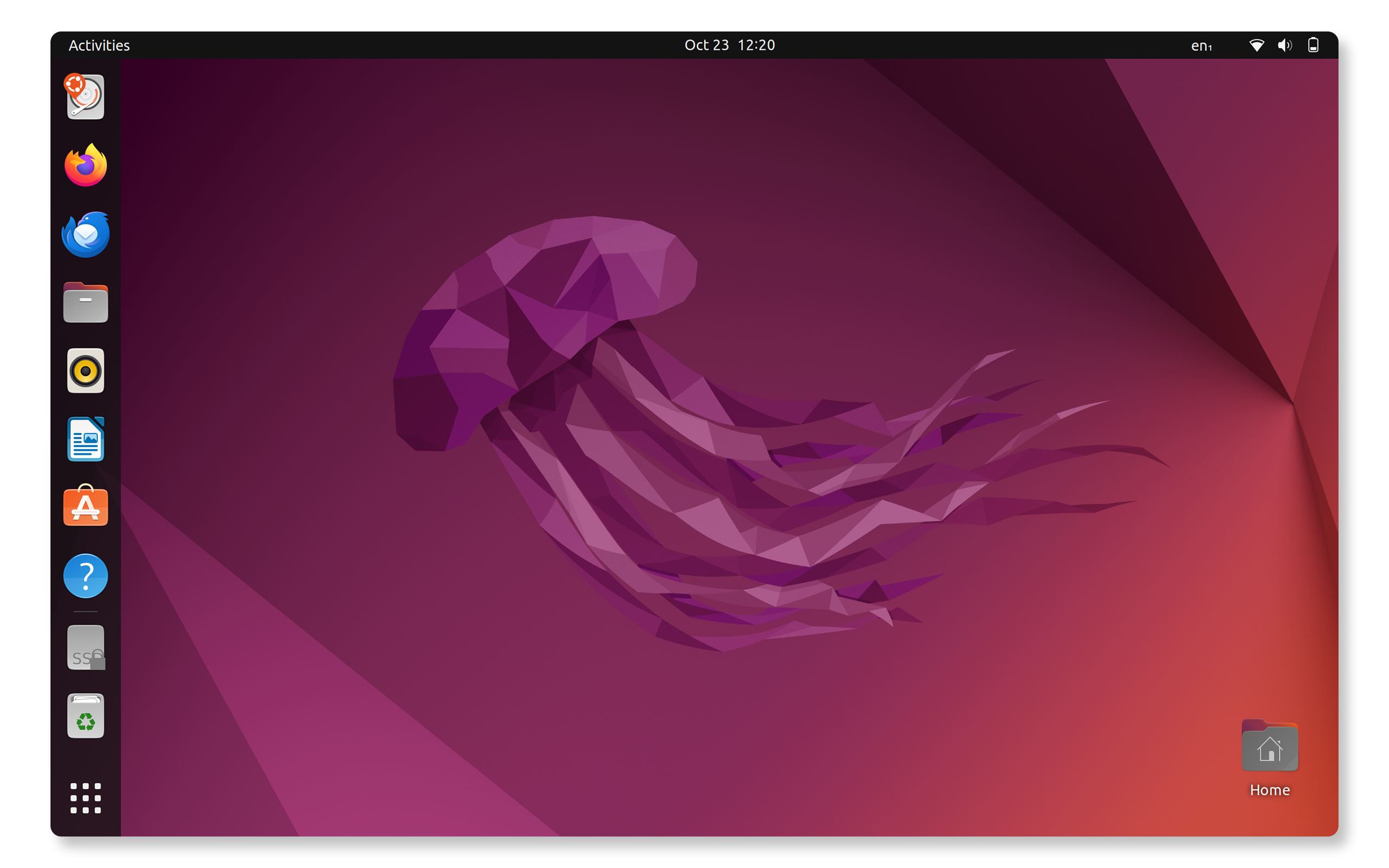
The tech company behind Ubuntu is winding down its long-standing public wiki sites by August 2026 and launching a completely rebuilt wiki to address mounting concerns over content quality, security and usability.
The existing public wikis - at wiki. ubuntu. com and help. ubuntu. com/community - have served the global Ubuntu community for more than two decades. But in a post titled“A new Ubuntu wiki, Part 1: Announcement,” the team at Canonical laid bare several structural issues that prompted this overhaul. The wiki software is built on an old version of MoinMoin running on Python 2, which is no longer supported with security patches. That exposes contributors and users to vulnerabilities.
Canonical highlighted content decay as another major concern. Many pages are outdated or redundant, while authoritative official documentation has shifted to other platforms. Users attempting to seek help often land on obsolete pages, leading to confusion and inefficiency.
Usability has also been degraded over time. Reports from community members note sluggish page loads, broken registration/login flows, poor mobile optimisation and a user interface that no longer meets modern web standards. The coexistence of two overlapping wikis - one for general Ubuntu content and another for community help - has added to confusion about where to look for reliable guidance.
To build the replacement, Canonical has assembled a compact cross-functional team drawing from technical authors, platform engineers, community engineers, designers, and core Ubuntu developers. This team is developing a new wiki instance behind closed doors, with a target milestone of an alpha release in 2026. According to Shane Crowley, a Canonical technical author involved in the project, the new platform will incorporate modern standards for documentation, security, and user experience. Community feedback will be solicited as the development advances.
See also Modular Upgrade Router Promises Lifetime SecurityThe decision underscores the evolving role of knowledge platforms in open source ecosystems. Over time, official documentation has migrated to more specialised and actively maintained mediums - such as official docs sites, community forums, and discussion platforms. The legacy wikis, once central, have become vestigial and increasingly unreliable. By replacing them, Canonical aims to unify Ubuntu's community knowledge base under a single, secure, maintainable platform.
For contributors and long-time Ubuntu users, this marks the end of an era. The original Ubuntu wiki launched in 2004 - the same year as Ubuntu's first release - and grew into a vast archive spanning developer discussions, community governance, troubleshooting guides and technical documentation. With the planned decommissioning of both public wikis, all that accumulated content will need to be reconsidered: some will be migrated, some archived, and much may be left behind.
Canonical says it will periodically publish updates about the new wiki's design, migration plans and community involvement opportunities. Users are encouraged to follow the project's official discussion channels to participate, provide feedback and aid in rebuilding a more reliable, unified repository of Ubuntu knowledge.
Notice an issue? Arabian Post strives to deliver the most accurate and reliable information to its readers. If you believe you have identified an error or inconsistency in this article, please don't hesitate to contact our editorial team at editor[at]thearabianpost[dot]com. We are committed to promptly addressing any concerns and ensuring the highest level of journalistic integrity.

Legal Disclaimer:
MENAFN provides the
information “as is” without warranty of any kind. We do not accept
any responsibility or liability for the accuracy, content, images,
videos, licenses, completeness, legality, or reliability of the information
contained in this article. If you have any complaints or copyright
issues related to this article, kindly contact the provider above.
Most popular stories
Market Research

More Story







Comments
No comment