




403
Sorry!!
Error! We're sorry, but the page you were looking for doesn't exist.
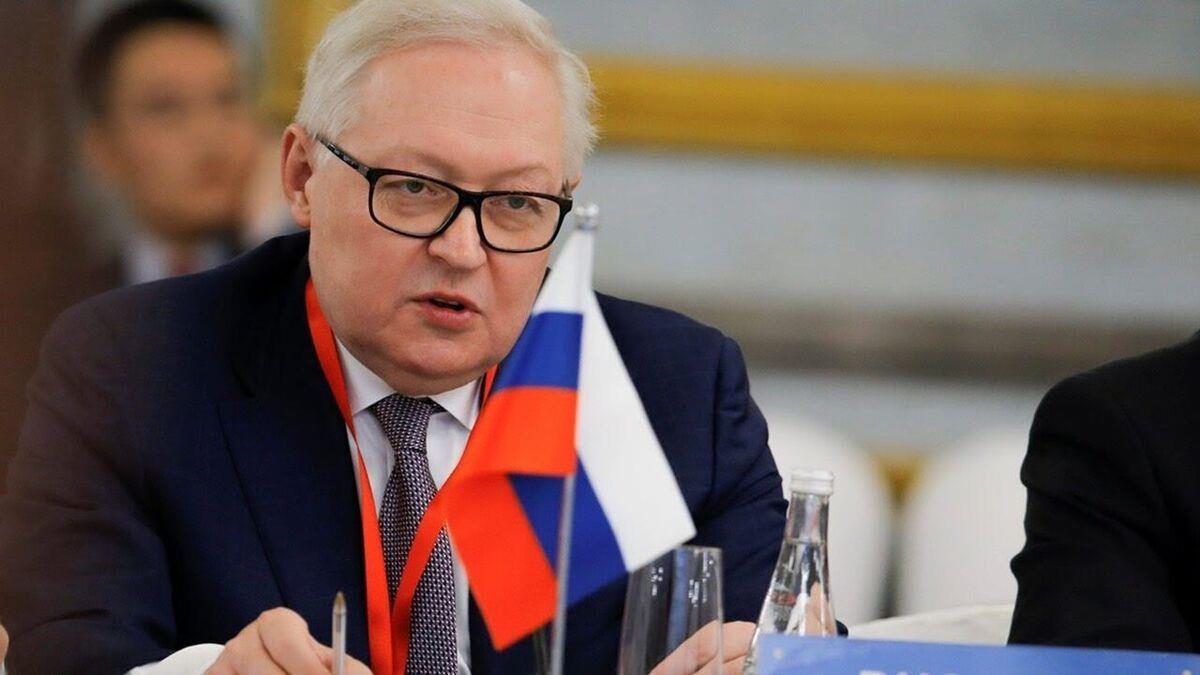
Russian Official Warns Of Rising Terror Threats Linked To Afghanistan And Middle East
(MENAFN- Khaama Press) Terrorism risks linked to Afghanistan and the Middle East are evolving and intensifying, Russia's deputy foreign minister said on Wednesday, warning that extremist groups are adopting new methods and technology to expand operations.
At the two-day BRICS+ Counterterrorism Conference in Moscow, Dmitry Lyubinsky said Islamic State and al-Qaeda are evolving and reorganising across borders.
Lyubinsky said militant groups are increasingly using artificial intelligence, modern communications tools and cryptocurrencies to spread propaganda, raise funds and support criminal networks, a pattern also documented in recent Western intelligence assessments and technology-focused research.
The conference, titled“BRICS+ 2025: National and Regional Strategies to Combat Terrorism amid Emerging Security Challenges,” aims to craft a coordinated approach to what speakers described as a fast-moving threat environment.
Lyubinsky said instability in Afghanistan and continued conflict in the Middle East require“close monitoring and rapid response,” arguing that the situation poses risks beyond regional borders. International analysts have echoed similar concerns, saying Afghanistan under Taliban control has become a hub for transnational militant actors.
Russia has repeatedly raised alarms over the deteriorating security landscape in Afghanistan. In September, Security Council Secretary Sergei Shoigu said more than 23,000 foreign fighters representing international terrorist organisations were active in the country, calling the situation a serious threat to regional and global security.
Taliban officials continue to deny the claims, insisting they have dismantled Islamic State networks and prevented Afghanistan territory from being used for cross-border operations. However, U.N. reporting suggests several extremist factions remain active and capable of regrouping.
Participants at the Moscow conference said counterterrorism efforts will require both traditional security mechanisms and new frameworks for digital oversight, reflecting the shift of militant recruitment and financing into virtual spaces.
Whether BRICS+ members can translate shared security concerns into concrete coordinated action remains unclear, but officials said momentum is growing for deeper cooperation as global power competition and instability reshape regional security priorities.
ShareFacebook Twitter WhatsApp Email Print Telegram
Legal Disclaimer:
MENAFN provides the
information “as is” without warranty of any kind. We do not accept
any responsibility or liability for the accuracy, content, images,
videos, licenses, completeness, legality, or reliability of the information
contained in this article. If you have any complaints or copyright
issues related to this article, kindly contact the provider above.
Most popular stories
Market Research

More Story






Comments
No comment