




403
Sorry!!
Error! We're sorry, but the page you were looking for doesn't exist.
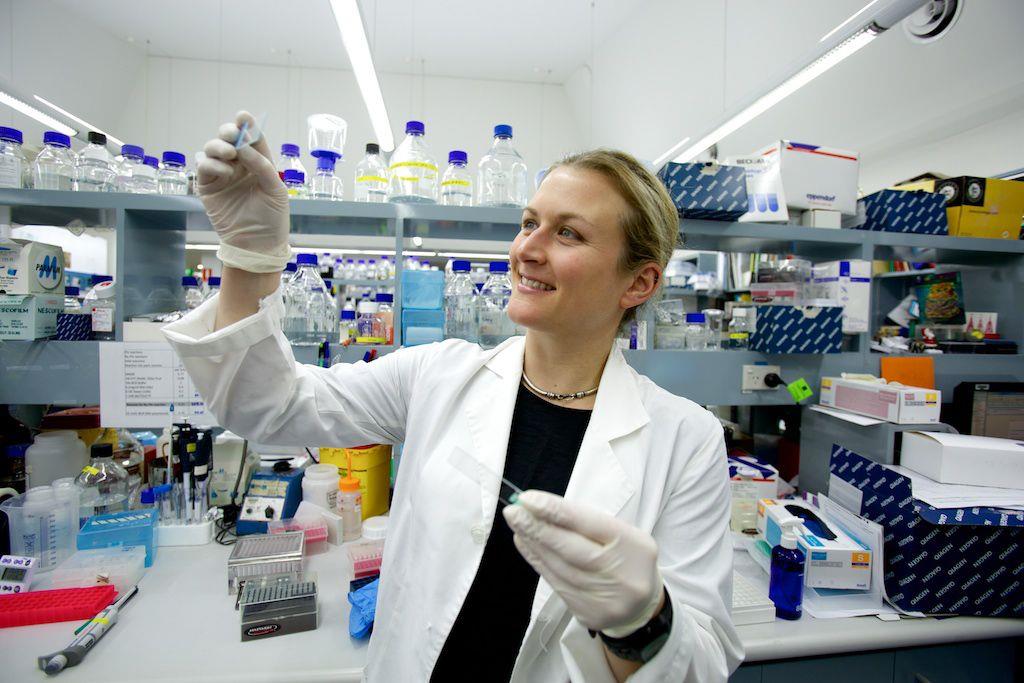
New Australian Finding Offers Hope For Better Chemotherapy
(MENAFN- AzerNews)
By Alimat Aliyeva
A groundbreaking study has revealed a new understanding of how cancer cells maintain their integrity to become effectively “immortal,” potentially paving the way for more effective chemotherapy and new treatment options, Azernews reports, citing foreign media.
The research, published in Nature Communications and highlighted in a media release by the Children's Medical Research Institute (CMRI) in Australia on Tuesday, focuses on how cancer cells protect their chromosomes to keep dividing relentlessly.
Normally, every time a cell divides, the ends of its chromosomes, called telomeres, shorten. When telomeres become too short, healthy cells stop dividing. But cancer cells have developed mechanisms to maintain their telomeres, allowing them to evade this natural limit and continue proliferating.
Most cancer cells rely on an enzyme called telomerase to rebuild their telomeres. The new study shows that a network of tiny fibres inside the cell nucleus, made from the protein actin, helps telomerase reach the telomeres that need repair.
“This is an exciting new role for actin,” said Professor Tracy Bryan, head of the CMRI Cell Biology Unit.“While actin is well known outside the nucleus for helping muscles contract and enabling cell movement, this newly discovered function occurs inside the nucleus.”
According to the study, when telomeres are damaged, they normally move around extensively.“But they get caught on this actin network, like an insect trapped in a spider web,” Bryan explained.“This makes it easier for telomerase to locate and repair them, allowing the cancer cell to survive.”
The findings suggest that cancer cells can use telomerase in combination with the actin network to repair some of the DNA damage caused by chemotherapy, enabling them to continue multiplying.
Bryan emphasized that targeting telomerase or disrupting the actin network could enhance the effectiveness of chemotherapy, potentially allowing for lower drug doses and reducing harmful side effects.
This discovery also highlights the growing understanding of the nucleus as a dynamic environment, where structural proteins like actin play unexpected roles in disease progression - opening new avenues for cancer research beyond traditional drug targets.

Legal Disclaimer:
MENAFN provides the
information “as is” without warranty of any kind. We do not accept
any responsibility or liability for the accuracy, content, images,
videos, licenses, completeness, legality, or reliability of the information
contained in this article. If you have any complaints or copyright
issues related to this article, kindly contact the provider above.
Most popular stories
Market Research

More Story








Comments
No comment