




403
Sorry!!
Error! We're sorry, but the page you were looking for doesn't exist.
How Climate Change Is Transforming Insect Populations In Pakistan
(MENAFN- Tribal News Network) -->
Climate change has led to two primary impacts on insects. These include rising temperatures and irregular rainfall. Higher temperatures have strengthened the populations of insects that prefer warmer climates, while cold-adapted insects are negatively affected. Many insects also can not survive in extremely dry conditions, as most of them prefer moist habitats.
According to Professor Dr. Nafees from the Environmental Department at the University of Peshawar, longer periods of heat are increasing the populations of mosquitoes, flies, and other seasonal insects. Some insects are also expanding their presence by attacking crops.
For example, the insects that damage cotton and wheat crops are spreading to wider areas. To counter this, large-scale agricultural spraying is used, which reduces harmful insects but also damages beneficial ones at the same time.
Climate change is also enabling disease-carrying insects to reach colder regions, resulting in the emergence of new diseases. For instance, dengue was reported in Swat in 2025. This shift is reducing useful insects and other species that support the ecosystem in colder regions, while increasing populations of insects that spread diseases and damage crops.
These changes are creating new challenges for public health and food security, underscoring the need for integrated strategies.
Why are insect populations declining in some regions, and where are new species being seen?
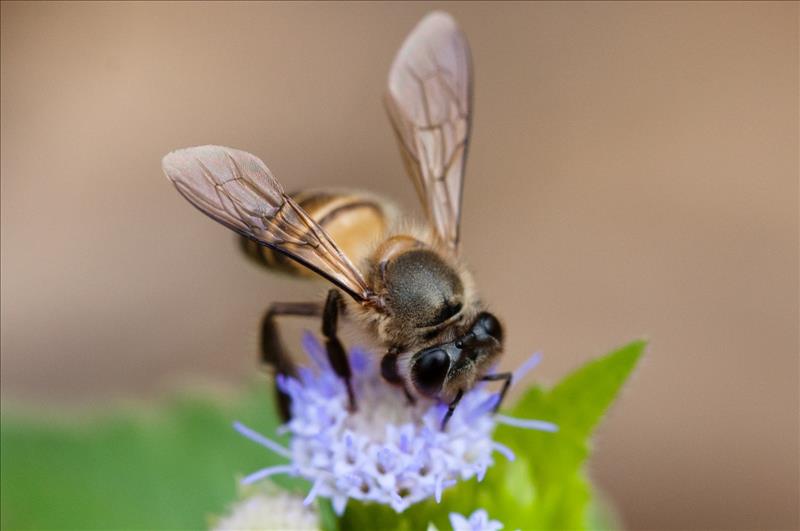
According to Dr. Nafees, although the populations of some insects are increasing, many insect species that depend on moderate temperatures struggle to survive. Honeybees are a key example. Honeybees require a constant supply of fresh water, and temperatures must remain neither too high nor too low. As a result, honeybees are under continuous stress.
Insects depend on specific habitats, but climate pollution and climate change are reducing these habitats. Rapid population growth also plays a major role, causing a decline in greenery and an increase in air and water pollution. This leads to a sharp reduction in honeybees, butterflies, dragonflies, fireflies, and similar species.
How can declining insect populations affect Pakistan's food production and economy?
The decline in insect populations is having a significant negative impact on Pakistan's food production and economy. One of the most important reasons is pollination. Due to a decline in honeybee populations, fruit production has fallen by 40 to 90 per cent in crops such as mango, apple, and melon. As a result, the export of many fruits and vegetables, including kinnow and mango, has decreased.
The decline in beneficial insects has also reduced the production of essential crops. Wheat, rice, and pulses depend on pollination as well. Research shows that the average annual yield of orchards in Punjab and Khyber Pakhtunkhwa could decline by 25 to 40 per cent.
Also Read: Cold, Dry Spell to Prevail Nationwide; Visibility to Drop in PlainsAgriculture contributes 18.5 per cent to Pakistan's GDP, while climate change is predicted to reduce the GDP by 5 to 10 per cent on average. The greatest impact will be on agricultural products, fruits, and vegetables.
This will affect the livelihoods of millions of farmers and labourers and is expected to increase poverty in rural areas. According to Professor Dr. Nafees, the decline of insects is not only an environmental problem for Pakistan but a warning sign of a severe economic and food security crisis.
Which native insect species in Pakistan are at risk of extinction and why?
Professor Nafees explained that several native insect species in Pakistan are at high risk of extinction. These include Himalayan butterflies and moths such as the Pakistan Emerald Butterfly, the Mountain Honeybee, Begus, and other beneficial insects. The Pakistani Golden Ladybird is also being affected.
Impact on insect populations in specific geographic regions
Mountain regions (Northern Pakistan)
Many species of Himalayan butterflies are becoming restricted to higher elevations due to rising temperatures.
Mountain ants are being affected by tourism pressure and construction activity.
In the plains of Khyber Pakhtunkhwa, native ants and termites are being affected by changing weather patterns and drought. Soil insects are also suffering due to heavy use of chemical fertilizers and soil erosion.
What are the major reasons behind the decline in migratory birds?
Regarding the decline in migratory bird populations, Dr Nafees noted that these birds rely on insects as primary food sources. Therefore, a decline in insects directly affects their survival. Migratory birds are also affected by climate change, environmental pollution, the unchecked use of toxic chemicals, and widespread illegal hunting.
What policy changes are urgently needed for insect protection and research in Pakistan?
Pakistan should consider the following actions for the protection of insects:
Protected biodiversity areas must be reviewed and relevant laws amended to create safe zones for vulnerable insect species.
National-level research surveys and monitoring should be conducted. Trends in insect populations and their decline must be continuously observed.
Large-scale awareness campaigns should be launched for the public and farmers to encourage reduced use of agricultural chemicals and highlight the importance of insects.
Long-term strategy
Work should be done on sustainable agriculture. Dependence on synthetic fertilizers and pesticides should be reduced, and organic farming should be promoted.
New housing schemes and urban development projects must include adequate green spaces. Creating insect-friendly environments in cities should be prioritized.
Research and development should be strengthened. Scientific studies should be conducted to protect native insect species, and detailed lists of these species should be prepared.
Protecting endangered native species is essential not only for maintaining ecological balance but also for safeguarding Pakistan's agricultural economy and food security.
According to a report, members of various political parties in the United Kingdom have formed a group to study the role insects play in climate, environment, trade, and human health.
This development has raised important questions for Pakistan. During recurring floods, droughts, and intense heatwaves, how is climate change affecting these critical yet overlooked components of our environment? And what does this mean for our future food security and public health, which could be at serious risk?

Legal Disclaimer:
MENAFN provides the
information “as is” without warranty of any kind. We do not accept
any responsibility or liability for the accuracy, content, images,
videos, licenses, completeness, legality, or reliability of the information
contained in this article. If you have any complaints or copyright
issues related to this article, kindly contact the provider above.
Most popular stories
Market Research

More Story





Comments
No comment