







403
Sorry!!
Error! We're sorry, but the page you were looking for doesn't exist.
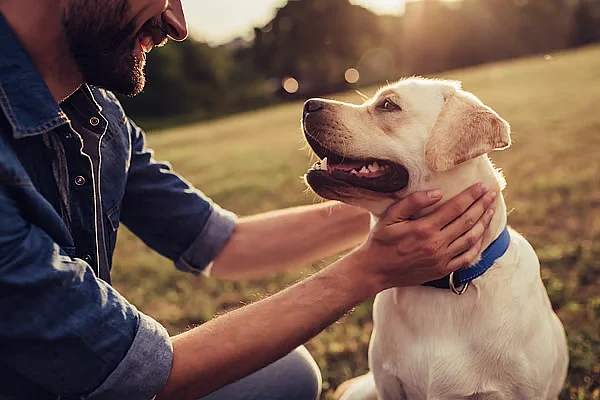
How Pets Are Helping UAE Residents Manage Grief, Mental Health Challenges
(MENAFN- Khaleej Times)
For Dubai resident Maya (name changed to protect privacy), her father's untimely death in 2024 created severe mental health issues. Unable to sleep and suffering from panic attacks, Maya found herself sinking deeper into depression.
Around that time, a friend asked her to look after their dog. The one month that her friend's dog stayed at her home, Maya felt a transformation in her life.“Just the presence of another living thing in my house was a welcome relief,” she said, adding that the dog had an almost intuitive sense of her distress.“Every time my mind spiraled, I would find him quietly lying next to me as if comforting me. It was a huge relief for me.”
Recommended For YouAccording to Dr Walid Shaaban, CEO of Emirates Zoo Park and Resort (EZPR), animals can be a great companion for many individuals.“Animals offer a consistent, non-judgmental presence that can help reduce anxiety, emotional overload, and sensory dysregulation,” he said.
His views were supported by other experts. Dr Luisa Coelho, the Clinical Director of The Cat Vet in Dubai, added that she has observed what several clinical studies have already demonstrated - that pets have a profound impact on people's mental health.
“Studies show that interacting with a pet can help lower cortisol levels, reduce symptoms of anxiety and depression, and increase oxytocin and serotonin, hormones that support bonding and emotional regulation,” she said.“For those dealing with depression, trauma, or chronic stress, pets often provide more than comfort. They bring structure, routine, and a sense of responsibility through daily care and companionship - all of which can be stabilising during times of emotional difficulty.”
Rise of animal therapy
It is this positive impact that has prompted several psychologists and mental health practitioners to advocate for animal therapy. According to Dr Luisa, dogs are the most common therapy animals due to their eagerness to engage, adapt, and ability to read emotional cues.“Cats also provide emotional support and are increasingly used in clinical and mental health therapy,” she said.“Equine assisted therapy involving horses offers a different type of therapeutic value."
Carolyn Yaffe, Counsellor and Cognitive Therapist at Medcare Camali Clinic, added that animal therapy can be especially beneficial for neurodivergent individuals, particularly those with autism.“Safe spaces and structured routines can help autistic people feel more secure and at ease,” she said.“Therapeutic tools, like animal-assisted therapy, can be especially comforting. Interacting with animals not only provides companionship but also helps reduce anxiety and foster a calming atmosphere, making expression and sensory regulation easier.”
Interaction programme
The EZPR offers a therapeutic programme that allows neurodivergent individuals to have controlled, positive interactions with animal ambassadors.
“Animals remove pressure from social interactions,” said Dr Walid.“So, for example, autistic individuals often find eye contact, facial expressions, and social expectations difficult to navigate, while animals simplify this environment by being predictable, non-judgmental, and emotionally neutral.”
He explained that the zoo matched animals with individuals based on sensory needs, comfort level, emotional goals, and the animal's temperament. The first step was to understand the individual's sensory profile and what therapeutic goals they had.“Some people respond better to calm, slow-paced environments, while others benefit from structured, more dynamic observational experiences,” he said.“Different therapeutic goals, whether emotional grounding, building confidence, enhancing focus, or supporting communication, require different kinds of engagement.”
He added that comfort level, cultural considerations, the behaviour and health of the animals, as well as environment suitability are taken into consideration when matching with an individual.“Many benefit from proximity-only or observation-based sessions rather than direct contact,” he said.“The environment setting including quietness, crowd level, lighting, temperature, and space also plays a significant role, for both the animals and individuals. The final match is approved only if it meets strict safety standards, including handler supervision, risk assessment, and welfare checks.”
Maya, who now regularly volunteers at animal shelters and fosters animals, said that she credits her friend's dog for saving her from mental anguish.“I cannot imagine how I could have survived without him,” she said.“Even though he is back at my friend's house now, I visit him at least once a week. I have been thinking about adopting my own pet, but I didn't want to rush into it. For now, I am fostering and volunteering. Being around animals has significantly improved my mental health and mood. I have also made a lot of new friends in the animal community.”

Legal Disclaimer:
MENAFN provides the
information “as is” without warranty of any kind. We do not accept
any responsibility or liability for the accuracy, content, images,
videos, licenses, completeness, legality, or reliability of the information
contained in this article. If you have any complaints or copyright
issues related to this article, kindly contact the provider above.
Most popular stories
Market Research

More Story








Comments
No comment