




403
Sorry!!
Error! We're sorry, but the page you were looking for doesn't exist.
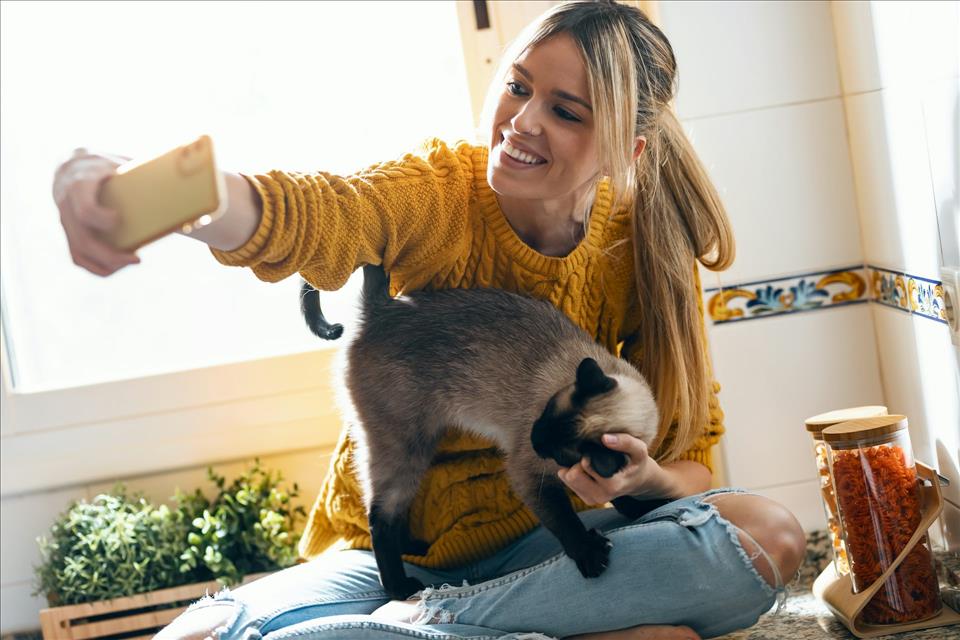
Why Being Single Might Feel Empowering As A Woman In Your 20S, But Not Your 30S
Author: Alicia Denby
(MENAFN- The Conversation) If you're a woman in your 20s, being single may feel like an empowering lifestyle choice. Taking smug delight in the recent Vogue article, Is Having A Boyfriend Embarrassing Now?, you can rest assured that you're independent, self-sufficient and living your best life.![]()
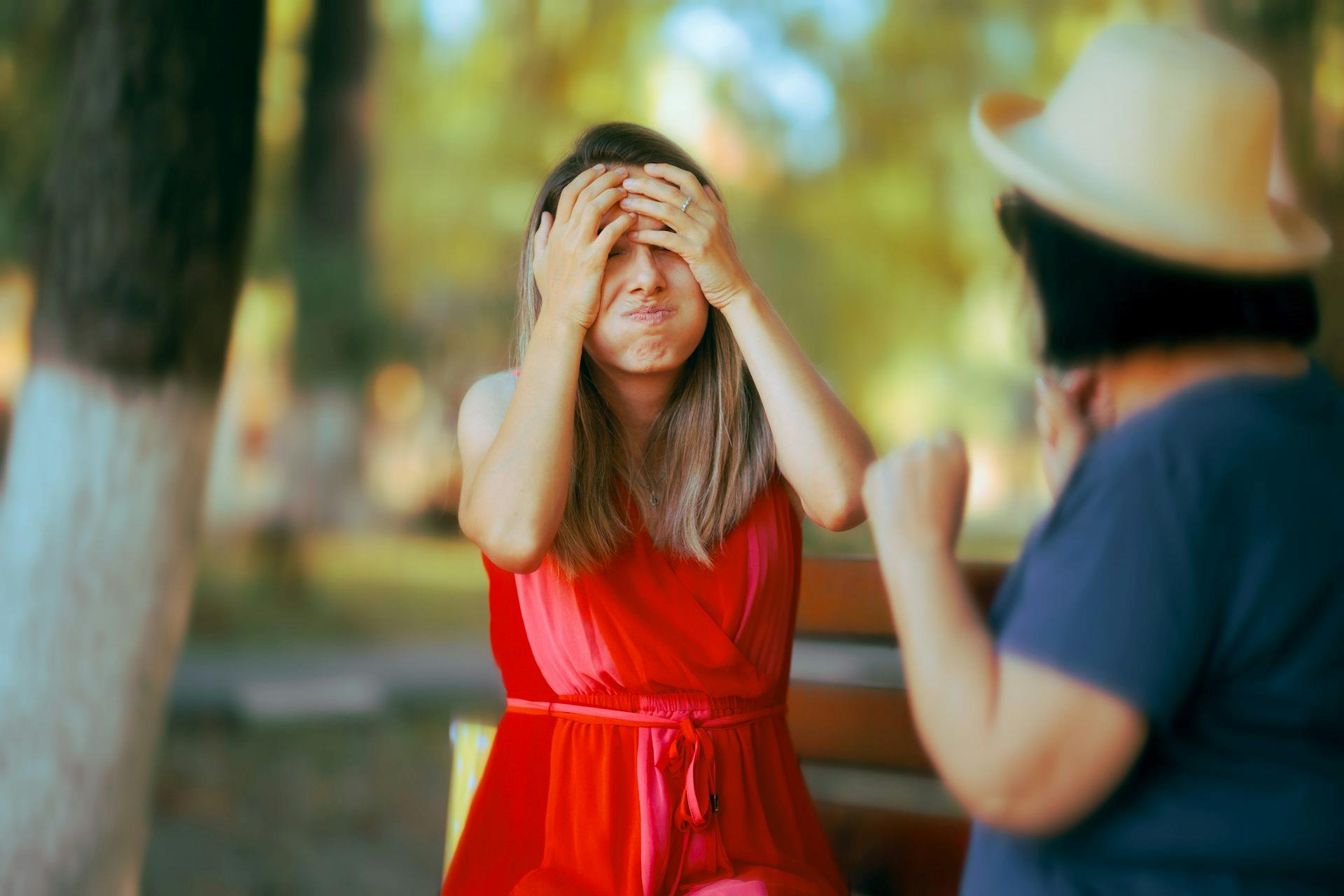
'When are you going to settle down?' Nicoleta Ionescu/Shutterstock

From influencer Florence Given's mantra to “dump him”, to Sabrina Carpenter denouncing the“manchild” and TikTok trends like“boy sober” and“elective celibacy” gaining traction, singlehood has been rebranded as a time for self-love, self-prioritisation and personal growth.
But, what happens when you hit your 30s? Does the glow of single positivity begin to fade?
Read more: Is today's political climate making dating harder for young people?
In my late 20s, I have certainly felt this shift. Once celebrated as an independent woman, the go-to girl for horrific dating stories (including a man who unironically referred to himself as the “Renegade Master” ) I now experience pity. Friends, acquaintances, even strangers share their worries about my fertility, question my sexuality, and tell me I am“too picky” or“too pretty” to be single. My singlehood is no longer seen an empowering lifestyle choice but a cause for concern.
I know I'm not alone in this. In my forthcoming research with 19 heterosexual women aged 21 to 52, I found that while singlehood was often celebrated in young adulthood, single positivity had a clear expiration date.
Dating today can feel like a mix of endless swipes, red flags and shifting expectations. From decoding mixed signals to balancing independence with intimacy, relationships in your 20s and 30s come with unique challenges. Love IRL is the latest series from Quarter Life that explores it all.
These research-backed articles break down the complexities of modern love to help you build meaningful connections, no matter your relationship status.
Women in their 20s described being single as empowering, a time to discover themselves, invest in friendships, and pursue careers. For research participant Emma, 24, being single is liberating.
She reflected on a cultural shift wherein the single woman is no longer the lonely spinster, or Bridget Jones's protégé, but is confident, autonomous, and self-loving:“After always following someone else's lead, I realised I'm the main character of my own story, I've learnt to find myself and be loving towards myself.”
However, even in their 20s, many began to feel pressure to“settle down” and the freedom they once embraced started to feel like a ticking clock. Georgia, 21, told me:“I'm still young so I don't get the 'when are you going to find someone?' question, but as I get older, I think it's going to be more of a problem.”
'When are you going to settle down?' Nicoleta Ionescu/Shutterstock
Despite being only 21, Georgia anticipates that her singlehood will become a “problem” and is determined to embrace her freedom, while she can. Corrine, 23, also shared this feeling, enjoying her singlehood in her early 20s but anticipating that she would not feel empowered, nor satisfied, if her singlehood was to become permanent.
In fact, in my study, most women in their 20s were defiantly single and refused to “settle” just to“settle down”. But equally, they did not see singlehood as a permanent choice. Bryony, 26, explained:
DeadlinesThis panic, for many, begins in or around their 30s. Robyn, 25, described this as an“internal deadline”, a sense that by your 30s, you should be“in a relationship, thinking about kids, and ticking off life's milestones”.
Comparably, while single men experience a similar pressure to couple up in mid-life, with coupledom regarded a marker of maturity and stability, single women experience greater stigma, and the pressure comes much sooner.
Albeit anticipated by women in their 20s, women in their 30s and 40s reflected on the pressure around the 30s, having moved past those societal expectations. Lydia, 52, joked:
Amid a cultural shift and greater acceptance toward singlehood, it may be possible for women to challenge heterosexist and ageist“deadlines”, and pursue a life where being single is not deemed the result of personal failure, but rather a voluntary choice.
Reflecting on their 30s, Lydia and Tania, 52, recalled having“been there, done that, bought the t-shirt and the divorce!” and, having pursued an unattached lifestyle, felt it was their duty to“pass on permission” for new generations of women to do so the same.
However, while women in their 50s were happily single, their experience shows that once women outgrow the “single girl” identity, the cultural script shifts and they become resigned to the“cat lady” trope. To this end, while single positivity promotes freedom from coupledom and an acceptance that women can be happily and voluntarily single, it often only applies to young, conventionally attractive and able-bodied women.
Essentially, while the single positivity movement has helped reframe singlehood as empowering, it hasn't entirely dismantled the couple norm. Instead, it offers a temporary reprieve, a phase of self-discovery before the pressure to settle down intensifies.
It's time we asked: why is singlehood only celebrated when it's temporary? Who gets to be happily single, and for how long?
Institution:Manchester Metropolitan University

Legal Disclaimer:
MENAFN provides the
information “as is” without warranty of any kind. We do not accept
any responsibility or liability for the accuracy, content, images,
videos, licenses, completeness, legality, or reliability of the information
contained in this article. If you have any complaints or copyright
issues related to this article, kindly contact the provider above.
Most popular stories
Market Research

More Story







Comments
No comment