




403
Sorry!!
Error! We're sorry, but the page you were looking for doesn't exist.
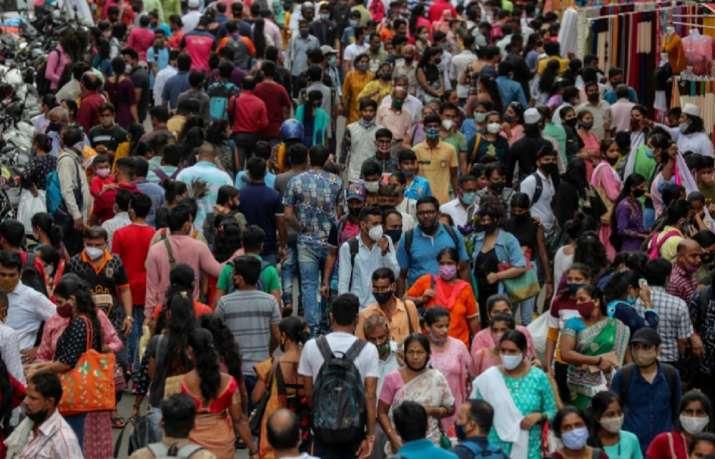
'India's Population To Stabilise By 2080 Due To Dip In Fertility Rate'
(MENAFN- Kashmir Observer)
Representational Photo
Representational Photo
Kolkata- India's population is expected to stabilise by 2080 at 1.8 or 1.9 billion due to dipping total fertility rate, which is currently below the replacement level at 1.9, an official said.
India is undergoing a rapid demographic transition, with the birth rate dropping sharply over the past two decades, he said.
“In 2000, our TFR was 3.5 and today it stands at 1.9. This is a drastic decline,” Indian Association for the Study of Population (IASP) general secretary Anil Chandran told PTI.
ADVERTISEMENTHe said India's population is expected to peak at 1.8 or 1.9 billion by 2080, when growth is expected to stabilise.
“All estimates show that India's maximum population will remain below two billion,” Chandran added.
He attributed the fall in fertility primarily to increasing development and education levels. Increased female literacy, he said, has directly shaped decisions around marriage and childbearing, leading to smaller families.
Greater use of contraceptives and wider access to birth control have further accelerated the decline, he said.
“Couples today are better informed and exercise greater control over when and how many children to have,” Chandran said.
He said that late marriages and growing economic opportunities - especially for women pursuing careers - have also significantly influenced reproductive choices.
“Development is inversely proportional to birth rates. Illiterate groups still have fertility levels above three, but among the educated, TFR ranges between 1.5 and 1.8,” he said.
Citing Kerala's example, Chandran said the state achieved replacement-level fertility (2.1) between 1987 and 1989 and now has a TFR of around 1.5.

Legal Disclaimer:
MENAFN provides the
information “as is” without warranty of any kind. We do not accept
any responsibility or liability for the accuracy, content, images,
videos, licenses, completeness, legality, or reliability of the information
contained in this article. If you have any complaints or copyright
issues related to this article, kindly contact the provider above.
Most popular stories
Market Research

More Story








Comments
No comment