




403
Sorry!!
Error! We're sorry, but the page you were looking for doesn't exist.
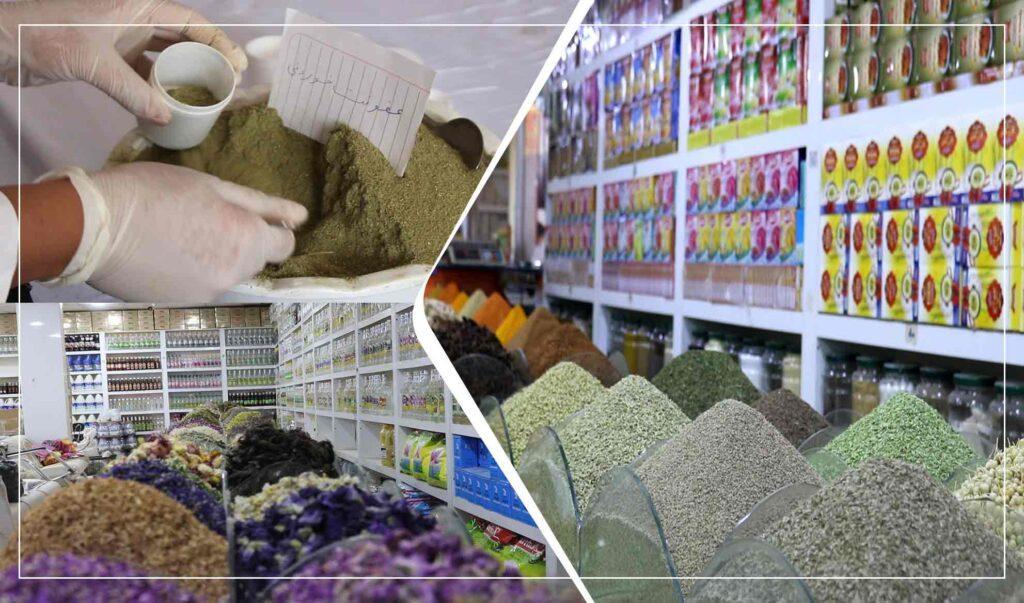
From Belief To Necessity: Why Herat Residents Still Use Unani Medicines?
(MENAFN- Pajhwok Afghan News)
HERAT CITY (Pajhwok): In recent months, the use of Unani and herbal medicines has increased in western Herat province- a trend that herbal medicine sellers consider a sign of business growth, while doctors warn against the self-medication of such drugs.
A number of residents of the province told Pajhwok Afghan News that economic hardships, the high cost of chemical medicines and expensive hospital treatment had compelled them to turn to herbal and traditional remedies for their illnesses.
Milad, an inhabitant of Herat city, the provincial capital, who visited a Unani medicine shop to buy drugs, said he was forced to use herbal medicine because of the poor quality of chemical medicines, the failure to diagnose his illness and his family's dire financial situation.
According to him, herbal medicines have been effective to some extent and one of their advantages us the purity of their ingredients, which are free from chemical additives and commercial substances and therefore harmless to the body.
Another resident, Abdul Razaq Zargar, said he used herbal medicines because they were cheaper and enjoyed greater public trust.
He added that chemical medicines were often of poor quality and costly, so he preferred herbal remedies for minor ailments bust visited a hospital in more serious cases.
Meanwhile, sellers of herbal medicines say their sales particularly increase during winter season.
Mohammad Raza Sultanim, an herbal medicines seller in Herat, who has been in the business for over seven years, said his number of customers had risen recently.
He added that due to an increase in seasonal diseases during the cold months, sales of herbal products also grew.
Quraish Nabizada, a woman producing herbal medicines, told Pajhwok Afghan News that she had been engaged in the production of natural medicines in the province for more than five years.
She said that she collected raw materials from various provinces, then processed and packaged them.
According to her, these medicines have no specific side effects and are beneficial for people.
However, doctors in the province warned against the self-medication of herbal medicines. They said that although the use of herbal drugs had deep cultural roots in Afghan society, chemical medicines were scientifically proven to be more effective in treating diseases.
Dr. Ghayas Hakimi, a physician in Herat, said:“Self-medication with herbal drugs may not only fail to cure any illness but can also, in some cases, cause new health complications. Every disease requires proper diagnosis and scientific treatment.”
He added that in many cases, patients visited hospitals with worsened conditions after using herbal medicines incorrectly.
Pajhwok sought comment from the Herat Public Health Department, but despite repeated attempts, was unable to reach them.
Although herbal and Unani medicines have become substitutes for chemical drugs for many families due to their lower price and availability, health experts stress that the diagnosis and treatment of diseases should be conducted under the supervision of qualified doctors to prevent serious complications.
Recently, Public Health Minister Mawlawi Noor Jalal Jalali, during his official visit to China to attend an international traditional medicine conference, said that traditional medicine in Afghanistan should be standardised, integrated with modern medical practice and supported by a proper curriculum for those interested in the field.
He also emphasised the importance of cooperation between China and Afghanistan in traditional medicine to build capacity, share experience and promote research in this area.
The Ministry of Public Health (MoPH) has stated that a Department of Traditional Medicine has been established within the ministry to work on improving the performance of practitioners and developing relevant policies and guidelines.
kk/ma

Legal Disclaimer:
MENAFN provides the
information “as is” without warranty of any kind. We do not accept
any responsibility or liability for the accuracy, content, images,
videos, licenses, completeness, legality, or reliability of the information
contained in this article. If you have any complaints or copyright
issues related to this article, kindly contact the provider above.
Most popular stories
Market Research

More Story





Comments
No comment