







403
Sorry!!
Error! We're sorry, but the page you were looking for doesn't exist.
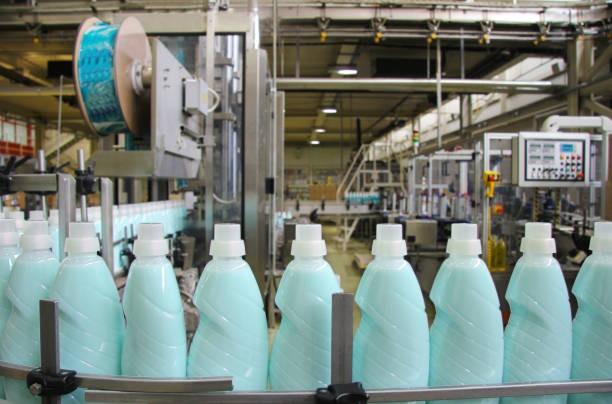
Liquid Detergent Manufacturing Cost Report 2025: Feasibility Study, Plant Setup, And Profitability Insights
(MENAFN- IMARC Group)
Liquid detergent is a cleaning solution formulated with surfactants, stabilizers, fragrances, and other additives designed to effectively remove dirt, grease, and stains from fabrics and surfaces. Unlike powdered detergents, liquid variants dissolve quickly in water, making them suitable for both handwashing and machine washing. They are valued for their convenience, ability to work well in cold water, and compatibility with various washing machines, contributing to their growing demand in households and commercial laundry services.

Setting up a liquid detergent manufacturing plant requires proper formulation development, sourcing of raw materials, and installation of mixing, blending, and packaging equipment. The facility should comply with safety and quality standards while ensuring efficient production processes. Careful market research, branding, and distribution strategies are essential to establish competitiveness in the consumer goods sector.
IMARC Group's report, titled “ Liquid Detergent Manufacturing Plant Project Report 2025: Industry Trends, Plant Setup, Machinery, Raw Materials, Investment Opportunities, Cost and Revenue,” provides a complete roadmap for setting up a liquid detergent manufacturing plant. It covers a comprehensive market overview to micro-level information such as unit operations involved, raw material requirements, utility requirements, infrastructure requirements, machinery and technology requirements, manpower requirements, packaging requirements, transportation requirements, etc.
Request for a Sample Report : https://www.imarcgroup.com/liquid-detergent-manufacturing-plant-project-report/requestsample
Liquid Detergent Industry outlook 2025:
The liquid detergent industry outlook for 2025 reflects steady growth driven by rising urbanization, increased preference for convenient cleaning solutions, and expanding penetration of washing machines in emerging markets. Consumer demand for eco-friendly and biodegradable formulations is further shaping innovation, with manufacturers investing in sustainable ingredients and recyclable packaging. The premiumization trend, supported by fragrance-infused and fabric-care variants, is enhancing brand differentiation. Additionally, the e-commerce channel continues to accelerate product accessibility, enabling wider market reach. With growing awareness of hygiene and cleanliness post-pandemic, the liquid detergent market is expected to maintain a positive trajectory across both developed and developing regions.
Key Insights for Liquid Detergent Manufacturing Plant Setup:
Detailed Process Flow:
-
Product Overview
Unit Operations Involved
Mass Balance and Raw Material Requirements
Quality Assurance Criteria
Technical Tests
Project Details, Requirements and Costs Involved:
-
Land, Location and Site Development
Plant Layout
Machinery Requirements and Costs
Raw Material Requirements and Costs
Packaging Requirements and Costs
Transportation Requirements and Costs
Utility Requirements and Costs
Human Resource Requirements and Costs
Capital Expenditure (CapEx) and Operational Expenditure (OpEx) Analysis:
Project Economics:
-
Capital Investments
Operating Costs
Expenditure Projections
Revenue Projections
Taxation and Depreciation
Profit Projections
Financial Analysis
Profitability Analysis:
-
Total Income
Total Expenditure
Gross Profit
Gross Margin
Net Profit
Net Margin
Key Cost Components of Setting Up a Liquid Detergent Plant :
-
Land and Infrastructure: Costs associated with acquiring or leasing land, constructing production units, warehouses, and administrative spaces.
Machinery and Equipment: Investment in mixers, blenders, storage tanks, filling and packaging machines, and quality testing instruments.
Raw Materials: Procurement of surfactants, stabilizers, fragrances, preservatives, colorants, and packaging materials.
Labor and Workforce: Salaries and wages for skilled and unskilled workers, technicians, supervisors, and management staff.
Utilities and Overheads: Expenses for electricity, water, fuel, and waste management systems.
Regulatory Compliance: Licensing, certifications, environmental clearances, and safety standard adherence.
Marketing and Distribution: Branding, promotional activities, logistics, and distribution network setup.
Economic Trends Influencing Liquid Detergent Plant Setup Costs 2025 :
-
Raw Material Price Volatility: Fluctuations in petrochemical-derived surfactants and fragrance chemicals impact procurement costs.
Energy and Utility Costs: Rising electricity, fuel, and water expenses increase operational expenditures for manufacturing facilities.
Labor Market Dynamics: Wage growth and demand for skilled labor in emerging economies influence staffing costs.
Regulatory and Environmental Policies: Stricter sustainability standards raise compliance and eco-friendly formulation costs.
Global Supply Chain Shifts: Geopolitical tensions and logistics challenges affect machinery imports and raw material availability.
Inflationary Pressures: General inflation increases construction, packaging, and transportation expenses.
Green Technology Investments: Adoption of sustainable manufacturing processes elevates initial setup costs but enhances long-term efficiency.
Speak to an Analyst for Customized Report: https://www.imarcgroup.com/request?type=report&id=7447&flag=E
Challenges and Considerations for Investors in Liquid Detergent Plant Projects:
-
High Initial Capital Investment: Significant costs in land acquisition, machinery, and regulatory compliance may strain financial planning.
Intense Market Competition: Established global and regional brands dominate shelf space, requiring strong differentiation strategies.
Raw Material Dependency: Price fluctuations and supply chain disruptions of key chemicals can impact profitability.
Regulatory Compliance: Adherence to environmental, safety, and quality standards adds to operational complexity.
Consumer Preferences: Growing demand for eco-friendly and premium products requires continuous R&D investment.
Distribution Challenges: Establishing reliable retail and e-commerce networks is essential for market penetration.
Operational Risks: Workforce management, utility reliability, and maintenance requirements influence plant efficiency.
Conclusion:
The liquid detergent industry presents significant opportunities for growth, supported by rising consumer demand, evolving lifestyle trends, and increasing adoption of automated washing solutions. However, setting up a manufacturing plant requires careful consideration of capital requirements, regulatory standards, and competitive pressures. Investors must account for cost volatility, supply chain dependencies, and the need for continuous innovation to align with sustainability and consumer preferences. Strategic planning in product formulation, branding, and distribution will be critical to achieving long-term success. With the right balance of efficiency and market positioning, liquid detergent projects can deliver sustainable profitability in 2025 and beyond.
About Us:
IMARC Group is a global management consulting firm that helps the world's most ambitious changemakers to create a lasting impact. The company excel in understanding its client's business priorities and delivering tailored solutions that drive meaningful outcomes. We provide a comprehensive suite of market entry and expansion services. Our offerings include thorough market assessment, feasibility studies, company incorporation assistance, factory setup support, regulatory approvals and licensing navigation, branding, marketing and sales strategies, competitive landscape, and benchmarking analyses, pricing and cost research, and procurement research.
Contact Us:
IMARC Group
134 N 4th St. Brooklyn, NY 11249, USA
Email: sales[@]imarcgroup.com
Tel No:(D) +91 120 433 0800
United States: (+1-201971-6302)

Legal Disclaimer:
MENAFN provides the
information “as is” without warranty of any kind. We do not accept
any responsibility or liability for the accuracy, content, images,
videos, licenses, completeness, legality, or reliability of the information
contained in this article. If you have any complaints or copyright
issues related to this article, kindly contact the provider above.
Most popular stories
Market Research

More Story








Comments
No comment