(MENAFN- Asia Times)
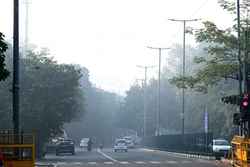
For Iranians, the seasons are now marked by two certainties: rolling blackouts during the scorching summer heat and toxic smog from burning low-grade fuel in power plants during the freezing winter.
This is the tangible result of Iran's chronic electricity imbalance, a structural crisis that has moved far beyond a simple supply-and-demand issue to become a major drag on the nation's economy and public welfare.
With a nominal installed capacity of around 94 gigawatts, Iran's power grid looks robust on paper. But the reality on the ground is systemic decay. A combination of an aging and inefficient thermal fleet, extreme dependency on natural gas, recurring droughts crippling its hydropower capacity and soaring demand has created a persistent and widening gap between nameplate capacity and reliable output.
This analysis dissects the anatomy of Iran's power crisis, benchmarks it against global players and outlines a policy roadmap for recovery, arguing that any sustainable solution remains hostage to the nation's geopolitical isolation.
Anatomy of a failing grid
Iran's power infrastructure is a story of arrested development. While capacity has grown from less than 7.5 GW before the 1979 revolution, the grid's architecture is dangerously imbalanced.
Over-reliance on Gas: Over 80% of Iran's electricity comes from thermal power plants, overwhelmingly fueled by natural gas. This creates a systemic vulnerability: in winter, as residential gas consumption skyrockets, the energy ministry is forced to divert gas from power plants, compelling them to burn highly polluting and corrosive mazut (heavy fuel oil), leading to grid instability and severe air pollution in major cities.
Inefficiency and decay: A significant portion of Iran's thermal fleet is old and inefficient, with an average efficiency rate well below modern combined-cycle gas turbines (CCGT). This means billions of cubic meters of gas are wasted annually.
Climate-hostage hydropower: Hydropower, once a reliable pillar, has become a volatile source due to recurrent droughts. The heavy concentration of hydro capacity in a single province, Khuzestan, creates a systemic risk that can slash available power by double-digit percentages during dry years.
Symbolic renewables: Despite world-class solar and wind potential, especially in the sun-drenched central and windy northern regions, renewables (excluding hydro) account for a negligible fraction of the grid. As the table below shows, installed capacity for solar and wind remains at a symbolic level, a clear sign of technological lag and missed opportunity.
Table 1: Iran's installed power capacity by province & type (MW) – 2024 (Abridged for key provinces)
| Province | Thermal | Hydro | Solar | Wind | Nuclear | Total |
| Khuzestan | 6,364 | 8,862 | 3 | 4 | 0 | 15,753 |
| Bushehr | 4,468 | 0 | 18 | 0 | 1,000 | 5,606 |
| Hormozgan | 5,150 | 0 | 55 | 0 | 0 | 5,585 |
| Isfahan | 4,890 | 250 | 80 | 0 | 0 | 5,870 |
| Kerman | 3,500 | 100 | 120 | 18 | 0 | 3,968 |
| Total Iran | ~75,000 | ~13,120 | ~1,200 | ~100 | 1,020 | ~94,000 |
Iran in the global mirror: a story of underperformance
A comparative look at global electricity producers reveals the depth of Iran's predicament. With a per capita consumption of around 4,200 kWh, Iran lags significantly behind industrial economies and even many of its Gulf neighbors. This is due not to a lack of resources but a failure of policy.
Table 2: Iran vs. global power players – 2024
| Country | Generation (TWh) | Consumption (TWh) | Net Export (% of Demand) | Per Capita Use (kWh) |
| China | 10,072.6 | 10,058.7 | -0.1% | 7,139 |
| USA | 4,387.3 | 4,401.1 | +0.3% | 12,940 |
| India | 2,057.5 | 2,054.5 | -0.1% | 1,416 |
| France | 557.7 | 466.7 | -19.5% | 6,812 |
| Iran | 387.8 | 384.8 | -0.8% | 4,202 |
MENAFN19082025000159011032ID1109946371
Legal Disclaimer:
MENAFN provides the
information “as is” without warranty of any kind. We do not accept
any responsibility or liability for the accuracy, content, images,
videos, licenses, completeness, legality, or reliability of the information
contained in this article. If you have any complaints or copyright
issues related to this article, kindly contact the provider above.















Comments
No comment