








403
Sorry!!
Error! We're sorry, but the page you were looking for doesn't exist.

A Man Who Guarded China's Porcelain Legacy With Silence And Grace
(MENAFN- Asia Times)
Some treasures are made of porcelain; others, of principle.
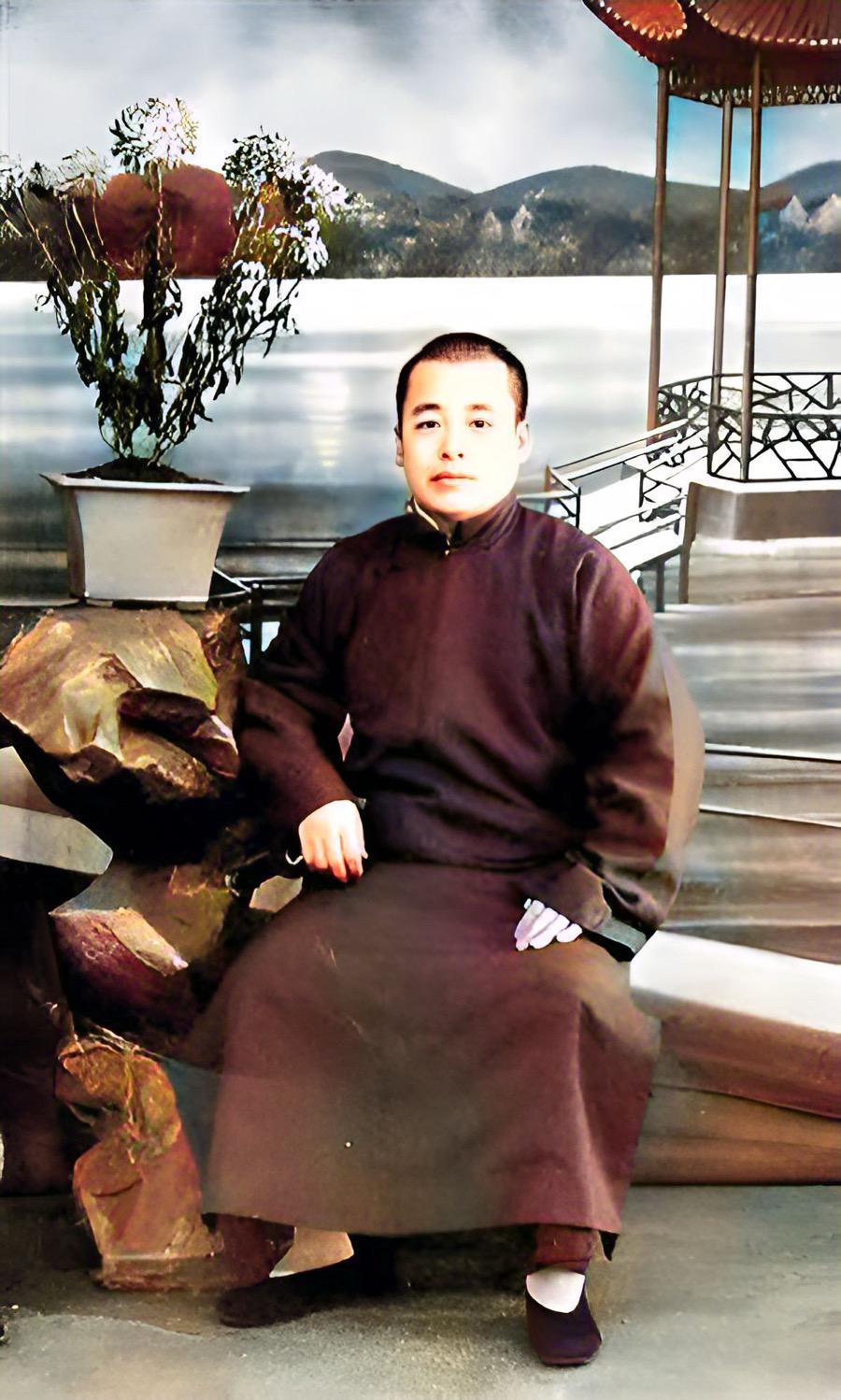
Sun Yingzhou in Beijing. Image provided by his granddaughter, Li Run
Among all Chinese imperial porcelains, few have stirred the imagination of collectors, scholars and institutions as much as the Chenghua doucai chicken cup. Revered for its delicate form and harmonious palette, this small cup – originally used by the Ming emperor himself – has become a byword for aesthetic perfection.
No more than 14 genuine examples are known today. Four reside in Beijing's Palace Museum, two to three in Taipei, one in the British Museum and the rest in private hands. In 2014, a single piece sold for HK$281.24 million (around US$36 million) at Sotheby's, the sale echoing across the global art world like a thunderclap.
Yet, rarer still is something beyond even the chicken cup: a pair of Chenghua doucai porcelain cups known as the Three Months of Autumn. They are, unequivocally, the only pair of their kind left in existence.
As catalogued by the Palace Museum:
The doucai technique – literally“contrasting colors” – was pioneered during the Xuande and Chenghua reigns of the Ming dynasty. It involves first outlining the design in cobalt blue underglaze, firing the porcelain and then applying overglaze enamels to bring life to the motifs. The process demanded exceptional precision, and few kilns in history matched the finesse of Chenghua-period works.
Held between fingers, the Three Months of Autumn cups feel as weightless as cicada wings. Press lightly, and one senses the soft contour of the opposite wall. The decoration floats in gentle silence – its butterflies suspended in timeless flight. Experts have called it the summit of Chenghua doucai, the“supreme masterpiece of Chinese porcelain.”
Its value is not measured in gold, but in the confluence of imperial artistry, technical sophistication, and the fragility of history preserved. Nicolas Chow, deputy chairman of Sotheby's Asia, has spoken of such works not as market items, but as cultural phenomena that transcend economics.
And yet, this peerless pair of cups owes its survival not to a museum, nor a government, but to one man: a quiet, frugal antique dealer named Sun Yingzhou.
Sun Yingzhou in Beijing. Image provided by his granddaughter, Li Run

Legal Disclaimer:
MENAFN provides the
information “as is” without warranty of any kind. We do not accept
any responsibility or liability for the accuracy, content, images,
videos, licenses, completeness, legality, or reliability of the information
contained in this article. If you have any complaints or copyright
issues related to this article, kindly contact the provider above.
Most popular stories
Market Research

More Story







Comments
No comment