









403
Sorry!!
Error! We're sorry, but the page you were looking for doesn't exist.
Iron Dome Plus: How Israel's Famous Air Defense Works
(MENAFN- Asia Times)
Late last week, Israel began a wave of attacks on Iran under the banner of Operation Rising Lion , with the stated goal of crippling the Islamic republic's nuclear program and long-range strike capabilities. At the outset, Israel claimed Iran would soon be able to build nine nuclear weapons , a situation Israel regarded as completely unacceptable.
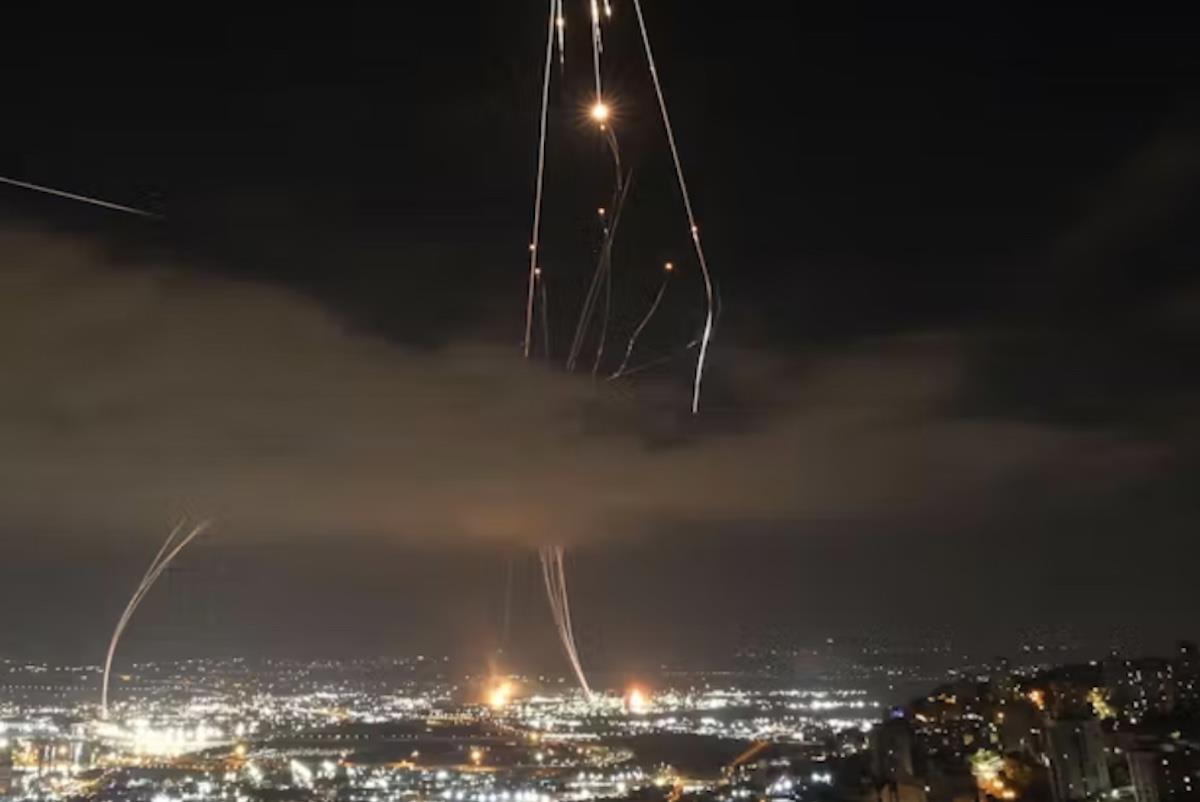
Following Israeli strikes against Iranian nuclear facilities, and targeted assassinations of Iranian nuclear scientists and key members of the Iranian armed forces, Iran retaliated with a large barrage of ballistic missiles and drones against Tel Aviv and Jerusalem. The first wave consisted of some 200 ballistic missiles and 200 drones .
The conflict continues to escalate, with population centers increasingly being targeted. Israel's missile defense systems (including the vaunted Iron Dome) have so far staved off most of Iran's attacks, but the future is uncertain.
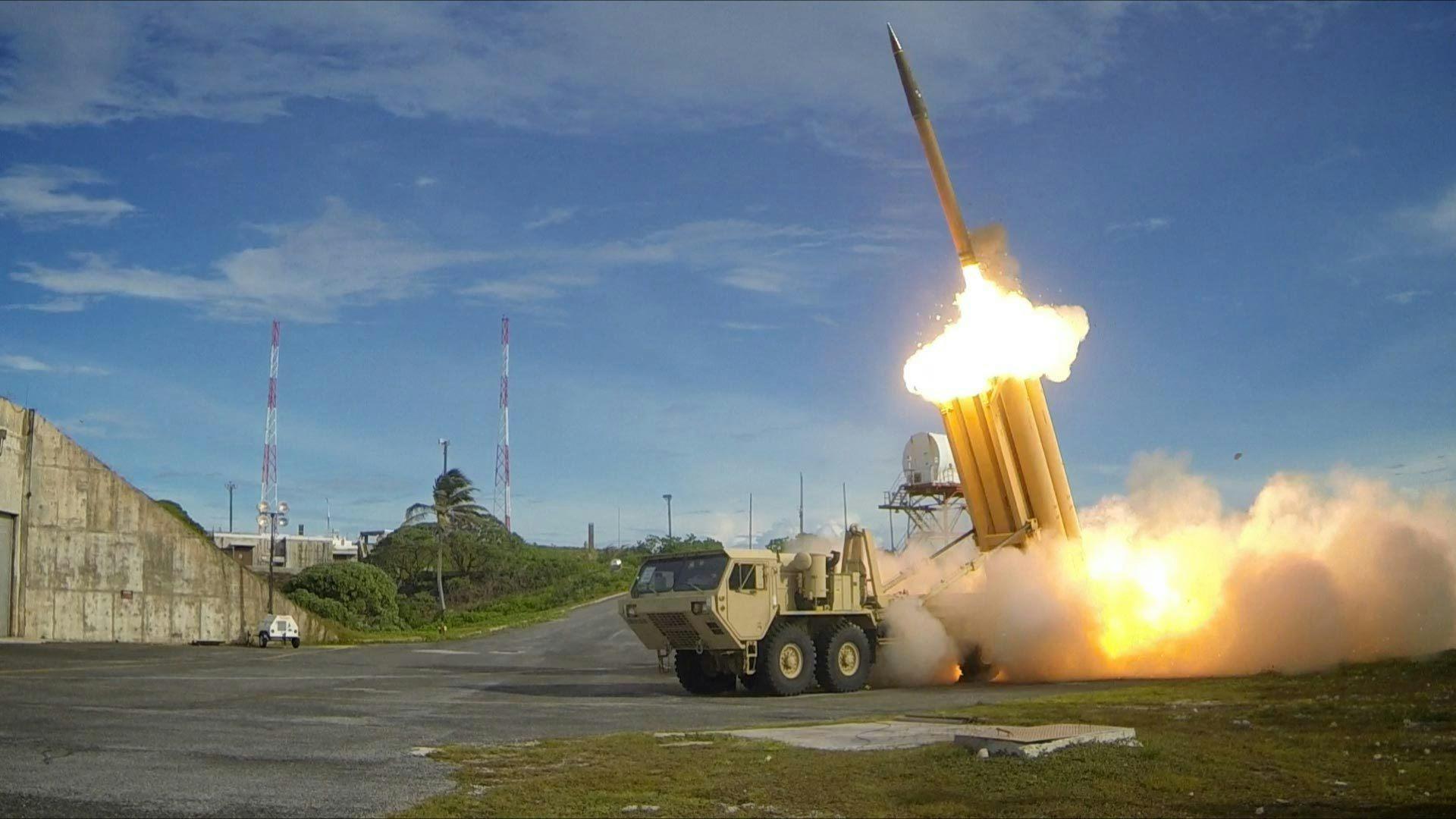
Ballistic missiles and how to stop themIran possesses a large arsenal of ballistic missiles and long-range drones, alongside other long-range weapons such as cruise missiles. Ballistic missiles travel on a largely fixed path steered by gravity, while cruise missiles can adjust their course as they fly.
Iran is approximately 1,000 kilometers from Israel, so the current strikes mostly involve what are classified as medium-range ballistic missiles, alongside long-range drones. It is not clear exactly what type of missile Iran has used in its latest strikes, but the country has several, including the Fattah-1 and Emad .
It is very difficult to defend against ballistic missiles. There is not much time between launch and impact, and they come down at very high speeds. The longer the missile's range, the faster and higher it flies.
An incoming missile presents a small, fast-moving target – and defenders may have little time to react.

Legal Disclaimer:
MENAFN provides the
information “as is” without warranty of any kind. We do not accept
any responsibility or liability for the accuracy, content, images,
videos, licenses, completeness, legality, or reliability of the information
contained in this article. If you have any complaints or copyright
issues related to this article, kindly contact the provider above.
Most popular stories
Market Research

More Story








Comments
No comment