




403
Sorry!!
Error! We're sorry, but the page you were looking for doesn't exist.
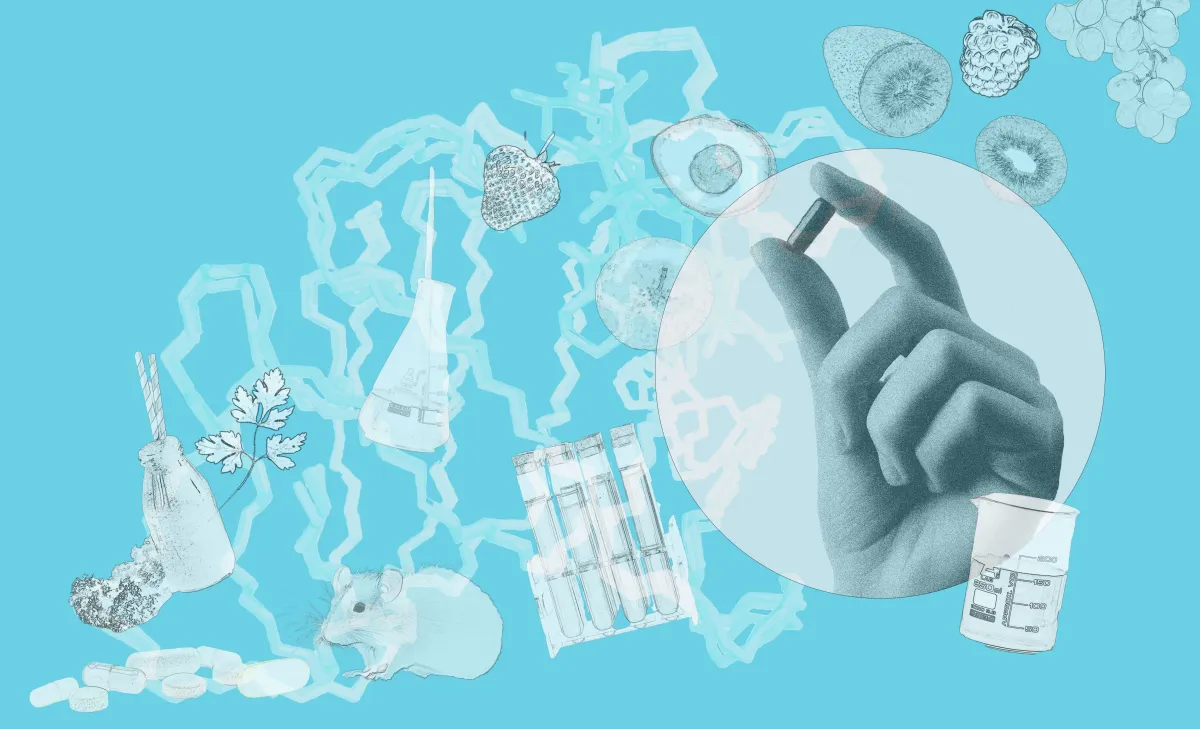
The Basel Researcher Whose Work Triggered A Longevity Revolution
(MENAFN- Swissinfo)
Over 30 years ago Michael Hall, a molecular biologist at the University of Basel, made a groundbreaking discovery of the gene Target of Rapamycin, or TOR, that proved critical to the development of many cancer drugs. Today his seminal work is fuelling one of the fastest growing, and potentially lucrative, areas of healthcare research – longevity.
This content was published on
May 7, 2025 - 09:00
12 minutes
I report on the Swiss pharmaceutical industry and healthcare topics such as access to medicine, biomedical innovation, and the impact of diseases like cancer. I grew up just outside San Francisco and studied international affairs with a focus on development economics and healthcare policy. Prior to joining SWI swissinfo in 2018, I was a freelance journalist and a researcher on business and human rights.
-
More from this auth
English Departme
-
Deutsch
de
Dieser Forscher begründete in Basel die Longevity-Forschung
Read more: Dieser Forscher begründete in Basel die Longevity-Forschun
Français
fr
Le chercheur bâlois dont les travaux ont révolutionné la longévité
Read more: Le chercheur bâlois dont les travaux ont révolutionné la longévite
Italiano
it
Il ricercatore basilese il cui lavoro ha dato il via alla rivoluzione della longevità
Read more: Il ricercatore basilese il cui lavoro ha dato il via alla rivoluzione della longevita
Español
es
El investigador suizo cuyo trabajo desencadenó una revolución en la longevidad
Read more: El investigador suizo cuyo trabajo desencadenó una revolución en la longevida
Português
pt
Pesquisador muda forma como envelhecemos
Read more: Pesquisador muda forma como envelhecemo
日本語
ja
長寿革命のきっかけを作ったバーゼルの研究者
Read more: 長寿革命のきっかけを作ったバーゼルの研究
العربية
ar
مايكل هول... باحث من بازل أحدث ثورة في فهم الشيخوخة
Read more: مايكل هول... باحث من بازل أحدث ثورة في فهم الشيخوخ
中文
zh
“长寿药”雷帕霉素背后的瑞士科学家
Read more:“长寿药”雷帕霉素背后的瑞士科学
Русский
ru
Как учёный из Базеля совершил революцию в биомедицине
Read more: Как учёный из Базеля совершил революцию в биомедицин
Michael Hall is a virtual unknown in today's social media-inflated longevity scene. He hasn't published any books on why we age or been featured in any films on the secrets of centenarians. He doesn't have a side business selling supplements or spout the benefits of hyperbaric oxygen or redlight therapy – treatments found in many of today's longevity clinics.
The soft-spoken 71-year-old, who bears a striking resemblance to American actor Robert DeNiro, credits his own health and vitality to the basics:“exercise, a good diet, social interactions, and possibly good genes,” he told SWI swissinfo during a visit to his office in Basel.
People have been searching for the secrets to longevity for centuries. Huge advances in the science of ageing and technology such as AI in the last decade have given scientists reason to believe we are on the cusp of a major breakthrough. This has fuelled a new longevity movement with clinics and companies popping up in many parts of the world such as Saudi Arabia, the US and Switzerland, offering sophisticated tests, novel therapies, and a world of promises.
Switzerland has been a key player in the pursuit of eternal youth dating back centuries when people came from across the globe to experience the healing powers of its thermal baths. Swiss wellness clinics, scientists, investors and pharmaceutical companies have all advanced the longevity field. But how much is the latest longevity trend just hype and good marketing? Can we really extend our lifespan and why do we want to?
This article is part of a series investigating the growing longevity trend and Switzerland's role in it. You can find all the articles and videos in the series at the bottom of this article.
Hall's absence from the current longevity craze is all the more incredible given that his research is widely considered to have transformed our understanding of ageing, and potentially how to slow it.
In the early 1990s he discovered a gene in yeast that acts like a circuit breaker in the cell, regulating cell growth and metabolism in response to nutrients around it. He named it Target of Rapamycin, abbreviated to TOR, after the bacterium rapamycin discovered in the 1960-70s, which became an immunosuppressant drug widely used in organ transplants. The gene was given the name mTOR when it was found in mammalsExternal link .
TOR also impacts cellular processes that happen as we age. Taking a drug like rapamycin inhibits TOR, activating autophagy, the cell's own process of cleaning out old, damaged tissue and proteins that accumulate in the cell as we age.
Study after study show that rapamycin extends the lifespan of multiple animal species. There is now a rapidly growing community of longevity enthusiastsExternal link , such as US celebrity physician Peter AttiaExternal link , experimenting with rapamycin as an anti-ageing drug based on Hall's original findings more than 30 years ago.
More More Longevity clinics: modern-day snake oil or the key to healthy ageing?This content was published on May 2, 2025 Scientists have yet to find the elixir of life but this hasn't stopped longevity clinics from selling treatments, pills and gadgets that claim to slow ageing.
Read more: Longevity clinics: modern-day snake oil or the key to healthy ageing
Legal Disclaimer:
MENAFN provides the
information “as is” without warranty of any kind. We do not accept
any responsibility or liability for the accuracy, content, images,
videos, licenses, completeness, legality, or reliability of the information
contained in this article. If you have any complaints or copyright
issues related to this article, kindly contact the provider above.
Most popular stories
Market Research

More Story







Comments
No comment