




403
Sorry!!
Error! We're sorry, but the page you were looking for doesn't exist.
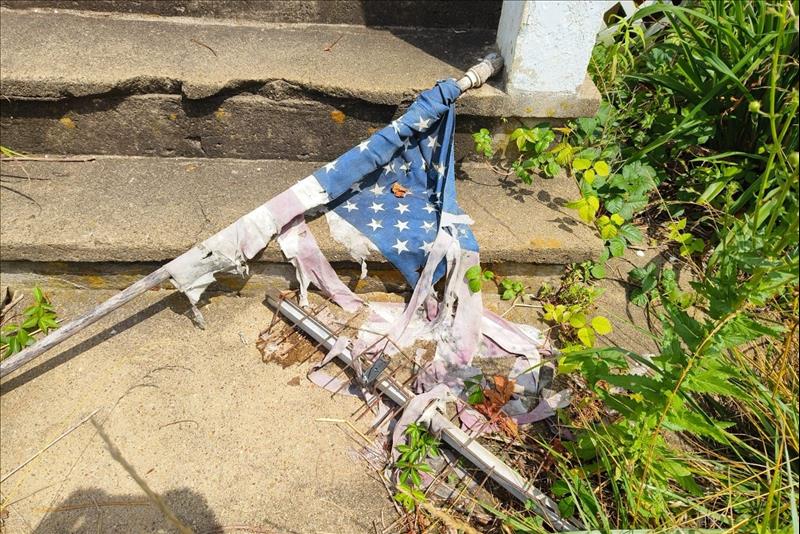
After America: Redefining Global Leadership In An Age Of Collapse
(MENAFN- Asia Times)
For decades, the world moved along a singular track of development laid down by the United States.
As the geopolitical anchor and architect of the post–World War II global order, America not only offered security and investment-it also sold a dominant narrative of what progress meant. Liberal democracy, free markets, infinite growth-these were packaged as the only legitimate path to the future.
But quietly, we began to realize the cost. Ecological destruction. Social inequality. A deepening crisis of meaning. The question now is no longer whether this model works but why we still cling to it even as its cracks grow louder and wider.
As American dominance falters-marked by rising isolationism, trade wars and declining global trust-many will lament the vacuum of global leadership.
But perhaps in that very vacuum lies a long-overdue invitation: a moment to pause, turn around and ask again-what kind of development do we truly need? Not just development that creates jobs or fuels GDP, but one that sustains life, heals the planet and restores human dignity in our relationship with each other and the Earth.
The development model that America designed and spread-through institutions like the IMF, World Bank and WTO-quietly imposed a hierarchy of values. A country was deemed“advanced” if its economy grew fast, its markets opened wide and its laws conformed to global standards set by a privileged few.
But today, we live in a world fractured by climate crisis, ecological exhaustion and extreme inequality. In such a world, development can no longer mean expansion; it must become consolidation. Not scaling up extraction but rebalancing power and rethinking how we relate to nature, capital and each other.
This reckoning reached a turning point in 2025, when Donald Trump returned to the presidency and declared what he called“Liberation Day” on April 2.

Legal Disclaimer:
MENAFN provides the
information “as is” without warranty of any kind. We do not accept
any responsibility or liability for the accuracy, content, images,
videos, licenses, completeness, legality, or reliability of the information
contained in this article. If you have any complaints or copyright
issues related to this article, kindly contact the provider above.
Most popular stories
Market Research

More Story






Comments
No comment