




403
Sorry!!
Error! We're sorry, but the page you were looking for doesn't exist.
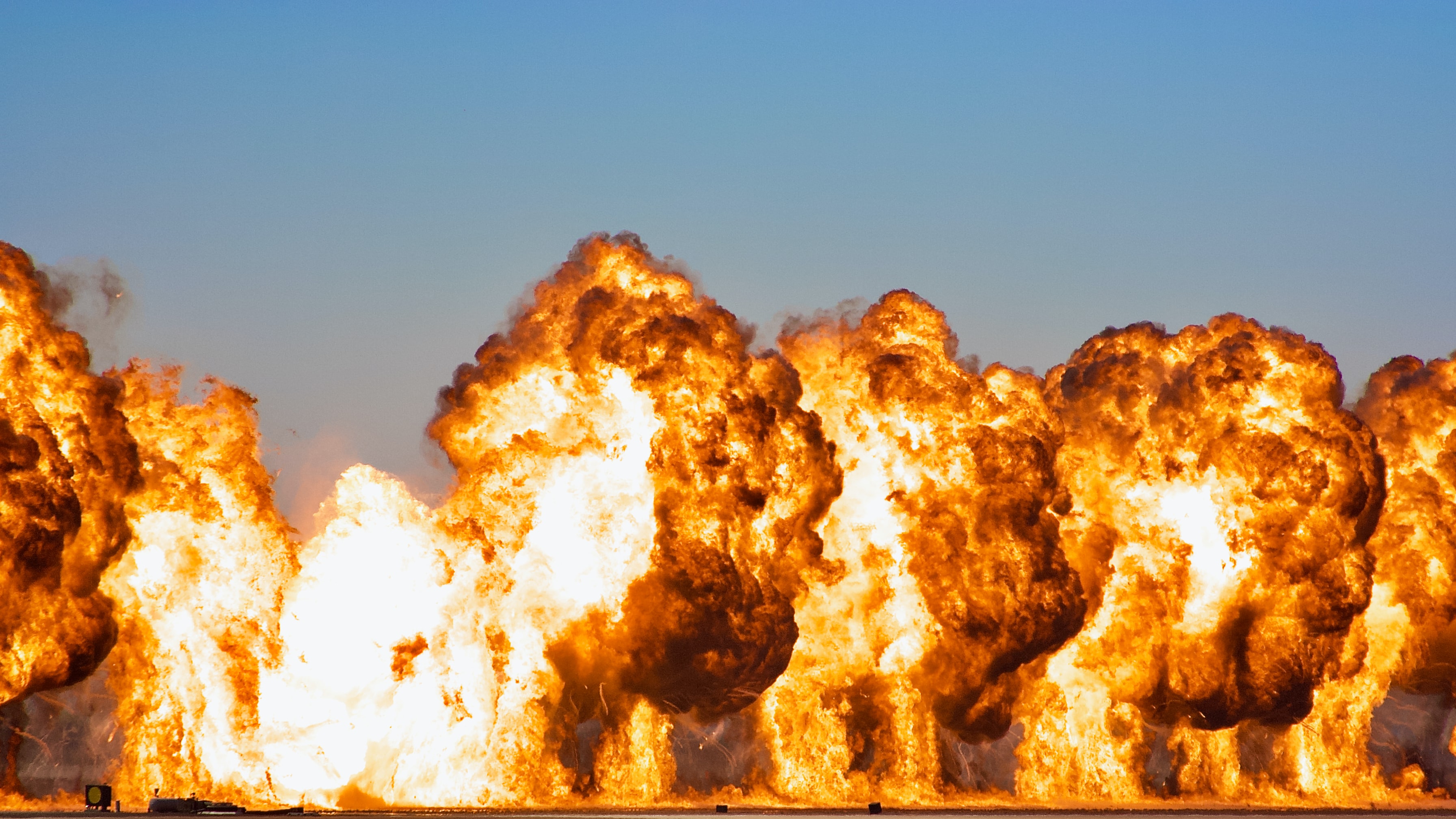
Media reports half dozen bombs utilized in Nord Stream sabotage
(MENAFN) At least six bombs were used to destroy the Nord Stream 1 and 2 pipelines, according to new claims from German newspaper *Die Welt*, which cites court documents. The attack, which took place in September 2022, disabled the pipelines that were designed to transport Russian gas to Germany and Western Europe via the Baltic Sea.
Previously, it was believed that four explosive devices were involved in the sabotage. However, *Die Welt* reported that, after reviewing legal documents from a court case between Nord Stream AG and insurance companies, it appears at least six bombs were detonated. The report also revealed that two additional damage sites have been found on the pipelines, which were not initially detected due to the absence of gas leakage.
One of the damage sites was photographed by Swedish engineer Erik Andersen, who has been investigating the explosions. The image reportedly shows minor damage—a small flake of concrete—but it suggests that an explosive device was placed there, though it failed to cause significant damage.
In addition, *Die Welt* discusses the theory that Russia may have been behind the attack, pointing to the fact that one of the four pipelines remained intact after the explosions. However, journalist Ulrich Kraetzer dismissed this theory, arguing that there were no indications that Russia would intentionally leave one pipeline undamaged in order to continue gas sales to Europe.
Previously, it was believed that four explosive devices were involved in the sabotage. However, *Die Welt* reported that, after reviewing legal documents from a court case between Nord Stream AG and insurance companies, it appears at least six bombs were detonated. The report also revealed that two additional damage sites have been found on the pipelines, which were not initially detected due to the absence of gas leakage.
One of the damage sites was photographed by Swedish engineer Erik Andersen, who has been investigating the explosions. The image reportedly shows minor damage—a small flake of concrete—but it suggests that an explosive device was placed there, though it failed to cause significant damage.
In addition, *Die Welt* discusses the theory that Russia may have been behind the attack, pointing to the fact that one of the four pipelines remained intact after the explosions. However, journalist Ulrich Kraetzer dismissed this theory, arguing that there were no indications that Russia would intentionally leave one pipeline undamaged in order to continue gas sales to Europe.

Legal Disclaimer:
MENAFN provides the
information “as is” without warranty of any kind. We do not accept
any responsibility or liability for the accuracy, content, images,
videos, licenses, completeness, legality, or reliability of the information
contained in this article. If you have any complaints or copyright
issues related to this article, kindly contact the provider above.
Most popular stories
Market Research

More Story








Comments
No comment