



403
Sorry!!
Error! We're sorry, but the page you were looking for doesn't exist.
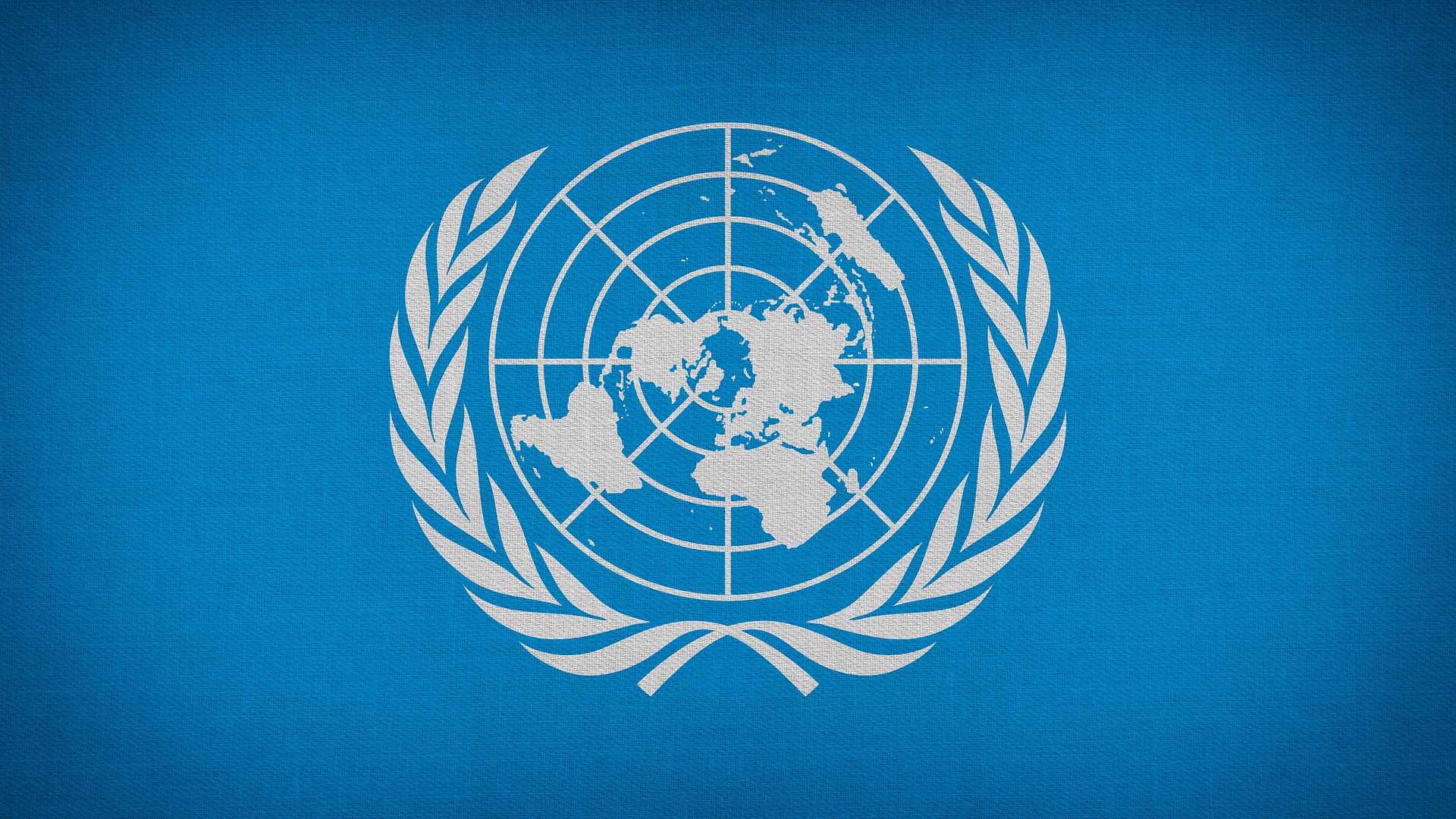
World presidents meet for UN General Assembly amid multitude of conflicts
(MENAFN) Amid a multitude of conflicts and crises in an increasingly fragmented world, leaders gathering for this week’s annual U.N. meeting face a significant challenge: to collaborate not only on urgent issues but also on modernizing international institutions established after World War II. These updates are crucial for effectively addressing future threats and problems. U.N. Secretary-General Antonio Guterres first raised this challenge a year ago, emphasizing the need for a renewed commitment to multilateralism—the core principle of the United Nations and other global entities—and the urgent necessity to reform outdated global systems to adapt to a rapidly changing landscape.
Guterres highlighted the pressing reality that international challenges are evolving more swiftly than our capacity to address them. He pointed out critical issues such as escalating geopolitical tensions, ongoing conflicts, climate change, growing inequalities, and the unregulated rise of new technologies like artificial intelligence. With a two-day summit kicking off on Sunday, just ahead of the high-level meeting of world leaders at the U.N. headquarters in New York City, there is uncertainty about whether tangible progress will be made. As of Saturday, no consensus had been reached on the summit’s main outcome document, which requires the support of all 193 U.N. member states to be adopted. Reports indicate that some nations, including Russia, still have reservations regarding the final text.
Agnès Callamard, Secretary-General of Amnesty International, emphasized the importance of this moment, urging leaders to consider whether this gathering will result in mere discussions about cooperation or lead to meaningful action. She expressed concern that failing to seize this opportunity could have dire consequences for our collective future. The summit serves as a precursor to the high-level meetings that take place every September, with over 130 global leaders set to address pressing issues such as the wars in Gaza, Ukraine, and Sudan, as well as the potential for broader conflict in the Middle East.
Analysts, like Richard Gowan from the International Crisis Group, note the stark contrast between the optimistic aspirations of the Summit of the Future and the harsh realities of U.N. effectiveness in regions like Gaza and Ukraine. As these conflicts will likely dominate discussions throughout the week, a significant moment is anticipated during Tuesday’s opening assembly when U.S. President Joe Biden is expected to make what could be his final major appearance on the international stage. U.S. Ambassador Linda Thomas-Greenfield underscored the urgency of these discussions, stating that the world’s most vulnerable populations are relying on leaders to make progress and foster hope for the future.
Guterres highlighted the pressing reality that international challenges are evolving more swiftly than our capacity to address them. He pointed out critical issues such as escalating geopolitical tensions, ongoing conflicts, climate change, growing inequalities, and the unregulated rise of new technologies like artificial intelligence. With a two-day summit kicking off on Sunday, just ahead of the high-level meeting of world leaders at the U.N. headquarters in New York City, there is uncertainty about whether tangible progress will be made. As of Saturday, no consensus had been reached on the summit’s main outcome document, which requires the support of all 193 U.N. member states to be adopted. Reports indicate that some nations, including Russia, still have reservations regarding the final text.
Agnès Callamard, Secretary-General of Amnesty International, emphasized the importance of this moment, urging leaders to consider whether this gathering will result in mere discussions about cooperation or lead to meaningful action. She expressed concern that failing to seize this opportunity could have dire consequences for our collective future. The summit serves as a precursor to the high-level meetings that take place every September, with over 130 global leaders set to address pressing issues such as the wars in Gaza, Ukraine, and Sudan, as well as the potential for broader conflict in the Middle East.
Analysts, like Richard Gowan from the International Crisis Group, note the stark contrast between the optimistic aspirations of the Summit of the Future and the harsh realities of U.N. effectiveness in regions like Gaza and Ukraine. As these conflicts will likely dominate discussions throughout the week, a significant moment is anticipated during Tuesday’s opening assembly when U.S. President Joe Biden is expected to make what could be his final major appearance on the international stage. U.S. Ambassador Linda Thomas-Greenfield underscored the urgency of these discussions, stating that the world’s most vulnerable populations are relying on leaders to make progress and foster hope for the future.

Legal Disclaimer:
MENAFN provides the
information “as is” without warranty of any kind. We do not accept
any responsibility or liability for the accuracy, content, images,
videos, licenses, completeness, legality, or reliability of the information
contained in this article. If you have any complaints or copyright
issues related to this article, kindly contact the provider above.
Most popular stories
Market Research

More Story





Comments
No comment