




403
Sorry!!
Error! We're sorry, but the page you were looking for doesn't exist.

Ryan Wesley Routh gets indetified as possible assassin who targeted Trump
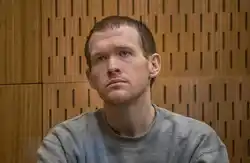
(MENAFN) Ryan Wesley Routh, the man identified by United States media as the would-be assassin who targeted former President Donald Trump, is set to undergo a mental health evaluation, as reported by news agency. This decision comes at the request of federal authorities, who cited “unusual rants” that Routh posted online as a concern for his mental state.
At 58 years old, Routh has a complex and unusual background that includes a criminal conviction and an attempt to recruit United States-trained Afghan fighters to join the Ukrainian military. Additionally, he authored a self-published book in which he speculates on various topics, including questioning why Russian President Vladimir Putin “has not been killed yet.”
Routh was apprehended on Sunday shortly after he fled from Trump’s golf course in West Palm Beach, Florida. While officials have not officially named him or charged him with a crime, numerous media reports and images have made his identity widely recognized.
According to a profile by the Associated Press, Routh spent most of his life in North Carolina before relocating to Kaaawa, Hawaii, in 2018. He also made headlines for donating to the presidential campaign of then-United States Representative Tulsi Gabbard in 2020. This was a notable shift, as he had previously voted for Donald Trump in the 2016 election, even advocating for the former president to take action against police misconduct to aid his reelection efforts.
As of now, social media platforms such as Facebook and X have removed content from accounts associated with Routh. However, before these deletions, several media outlets managed to investigate and report on the nature of his online activities, which showcased a turbulent and fluctuating political stance. His apparent transition from a Republican voter to a supporter of the Democratic Party reflects a broader uncertainty and complexity in his political views.
The narrative surrounding Routh reveals not only a troubled individual but also highlights the ongoing issues related to political extremism and mental health in the United States. As authorities continue to assess the implications of his actions, the case raises important questions about the intersection of political beliefs and violent behavior.
At 58 years old, Routh has a complex and unusual background that includes a criminal conviction and an attempt to recruit United States-trained Afghan fighters to join the Ukrainian military. Additionally, he authored a self-published book in which he speculates on various topics, including questioning why Russian President Vladimir Putin “has not been killed yet.”
Routh was apprehended on Sunday shortly after he fled from Trump’s golf course in West Palm Beach, Florida. While officials have not officially named him or charged him with a crime, numerous media reports and images have made his identity widely recognized.
According to a profile by the Associated Press, Routh spent most of his life in North Carolina before relocating to Kaaawa, Hawaii, in 2018. He also made headlines for donating to the presidential campaign of then-United States Representative Tulsi Gabbard in 2020. This was a notable shift, as he had previously voted for Donald Trump in the 2016 election, even advocating for the former president to take action against police misconduct to aid his reelection efforts.
As of now, social media platforms such as Facebook and X have removed content from accounts associated with Routh. However, before these deletions, several media outlets managed to investigate and report on the nature of his online activities, which showcased a turbulent and fluctuating political stance. His apparent transition from a Republican voter to a supporter of the Democratic Party reflects a broader uncertainty and complexity in his political views.
The narrative surrounding Routh reveals not only a troubled individual but also highlights the ongoing issues related to political extremism and mental health in the United States. As authorities continue to assess the implications of his actions, the case raises important questions about the intersection of political beliefs and violent behavior.

Legal Disclaimer:
MENAFN provides the
information “as is” without warranty of any kind. We do not accept
any responsibility or liability for the accuracy, content, images,
videos, licenses, completeness, legality, or reliability of the information
contained in this article. If you have any complaints or copyright
issues related to this article, kindly contact the provider above.
Most popular stories
Market Research

More Story





Comments
No comment