





403
Sorry!!
Error! We're sorry, but the page you were looking for doesn't exist.
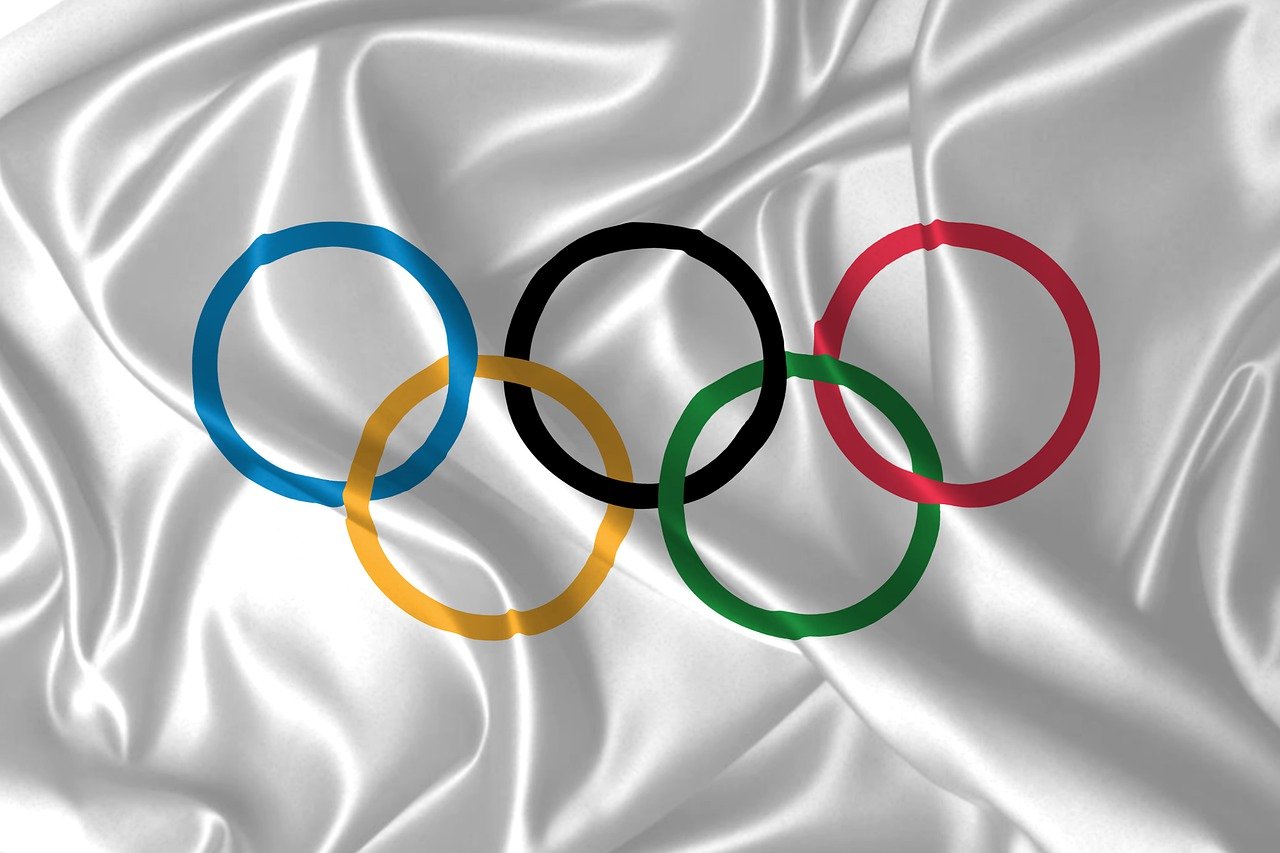
Eurozone business sees temporary boost from Olympics, faces future slowdown
(MENAFN) In August, business activity across the Eurozone received a temporary lift, largely driven by France hosting the Olympic Games, but experts caution that this momentum is likely to wane once the Paralympic Games conclude, as underlying demand remains weak. The Standard & Poor's Hamburg Commercial Bank Composite Purchasing Managers' Index (PMI), which serves as a key indicator of the overall economic health in the region, rose slightly to 51 in August, up from 50.2 in July. This marks the sixth consecutive month the index has remained above the critical 50-point threshold that distinguishes growth from contraction. However, the August figure was marginally lower than the preliminary estimate of 51.2, suggesting that while growth continues, it is fragile.
France, benefiting from the influx of tourists and heightened economic activity surrounding the Olympics, saw its services sector achieve its most substantial expansion in over two years. This contrasts sharply with the situation in Germany, where growth slowed for the third consecutive month, reinforcing concerns that the Eurozone's largest economy is losing its momentum. The Business lobby group BGA highlighted on Wednesday that German exporters are facing a troubling decline in confidence, reflecting broader economic challenges. Furthermore, the Kiel-based Institute for the World Economy (IfW) has projected that the German economy will contract by 0.1 percent this year, underscoring the persistent economic headwinds facing the region.
While the Eurozone experienced a short-lived boost from the Olympic Games, the broader picture remains uncertain, with analysts expecting a slowdown in activity once the immediate impact of the sporting events fades. The overall economic environment continues to be characterized by weak demand, particularly in Germany, which faces a range of economic pressures that may weigh on future growth prospects.
France, benefiting from the influx of tourists and heightened economic activity surrounding the Olympics, saw its services sector achieve its most substantial expansion in over two years. This contrasts sharply with the situation in Germany, where growth slowed for the third consecutive month, reinforcing concerns that the Eurozone's largest economy is losing its momentum. The Business lobby group BGA highlighted on Wednesday that German exporters are facing a troubling decline in confidence, reflecting broader economic challenges. Furthermore, the Kiel-based Institute for the World Economy (IfW) has projected that the German economy will contract by 0.1 percent this year, underscoring the persistent economic headwinds facing the region.
While the Eurozone experienced a short-lived boost from the Olympic Games, the broader picture remains uncertain, with analysts expecting a slowdown in activity once the immediate impact of the sporting events fades. The overall economic environment continues to be characterized by weak demand, particularly in Germany, which faces a range of economic pressures that may weigh on future growth prospects.

Legal Disclaimer:
MENAFN provides the
information “as is” without warranty of any kind. We do not accept
any responsibility or liability for the accuracy, content, images,
videos, licenses, completeness, legality, or reliability of the information
contained in this article. If you have any complaints or copyright
issues related to this article, kindly contact the provider above.
Most popular stories
Market Research

More Story






Comments
No comment