





403
Sorry!!
Error! We're sorry, but the page you were looking for doesn't exist.
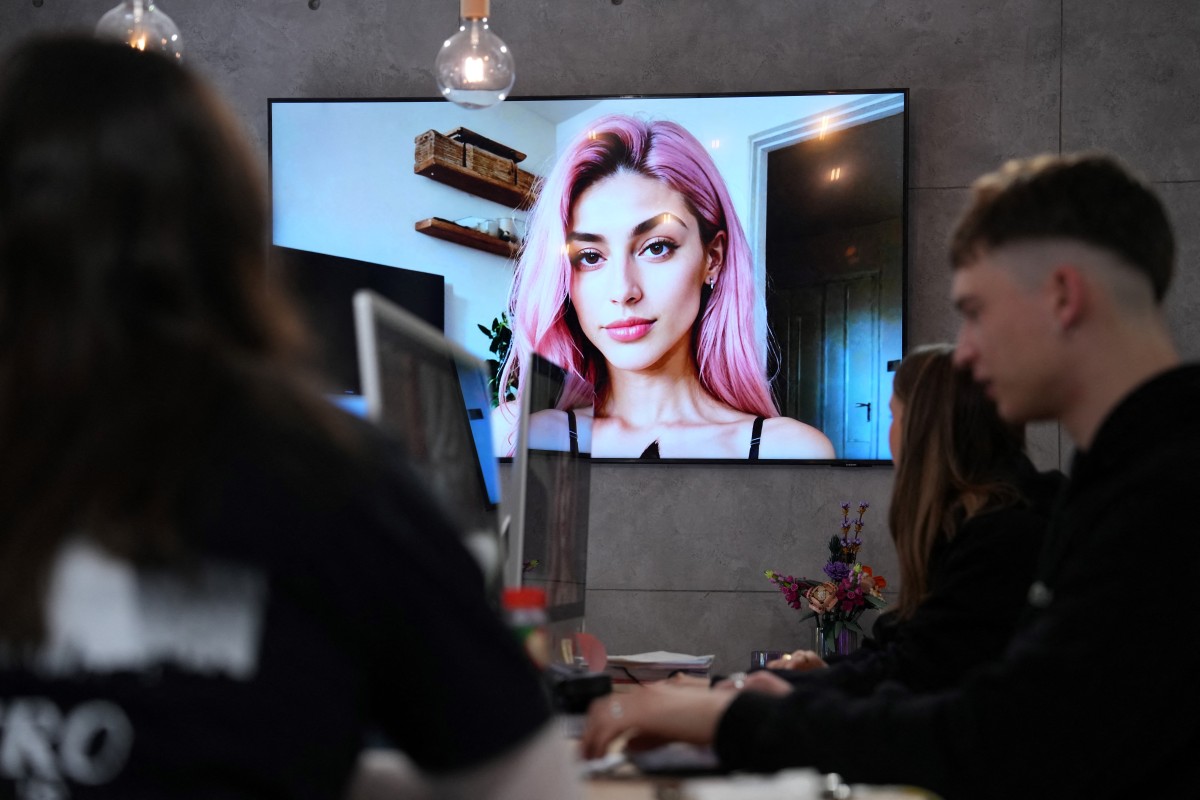
Report shows majority of social media consumers aren’t able to identify AI
(MENAFN) A recent study from Western Sydney University has highlighted a significant gap in media literacy among adults, revealing that the rapid advancement of generative artificial intelligence (AI) is outpacing users' ability to critically assess and identify AI-generated content. This disparity is raising concerns about increased susceptibility to misinformation in the digital age.
The research, detailed in the report titled ‘Adult Media Literacy in 2024,’ surveyed 4,442 adult Australians, exploring their confidence and ability to perform various media-related tasks that demand both critical thinking and technical skills. The results indicate that, on average, respondents felt confident in completing only four out of eleven tasks. This level of self-assurance reflects a broader issue: despite technological advancements, users' media literacy has not significantly improved.
The surge in AI technology began with the introduction of ChatGPT by OpenAI in 2022, followed by a flurry of investments and the launch of new tools from tech giants like Google and Microsoft. These tools include sophisticated image and text generators capable of producing high-quality, lifelike content. However, as generative AI tools become more prevalent, the ability of internet users to discern the authenticity of online information remains stagnant.
The study found that the ability to identify misinformation online has remained unchanged since 2021, with only 39 percent of respondents expressing confidence in their ability to verify the truthfulness of information they encounter. This lack of improvement is particularly troubling given the rise of AI-generated deepfakes and misleading content, which complicates the task of distinguishing between genuine and fabricated information.
Associate Professor Tanya Notley, one of the authors of the study, emphasized the growing challenge posed by generative AI. She noted that the integration of such technologies into online platforms makes it increasingly difficult for individuals to determine the credibility of the content they encounter. The proliferation of high-quality deepfakes and misleading AI-generated media exacerbates the issue, making media literacy a critical skill for navigating today’s digital landscape.
The report’s findings underscore the urgent need for enhanced media literacy education to keep pace with technological advancements. As AI continues to evolve, equipping individuals with the skills to critically assess and verify digital content is crucial to mitigating the spread of misinformation and ensuring a well-informed public.
The research, detailed in the report titled ‘Adult Media Literacy in 2024,’ surveyed 4,442 adult Australians, exploring their confidence and ability to perform various media-related tasks that demand both critical thinking and technical skills. The results indicate that, on average, respondents felt confident in completing only four out of eleven tasks. This level of self-assurance reflects a broader issue: despite technological advancements, users' media literacy has not significantly improved.
The surge in AI technology began with the introduction of ChatGPT by OpenAI in 2022, followed by a flurry of investments and the launch of new tools from tech giants like Google and Microsoft. These tools include sophisticated image and text generators capable of producing high-quality, lifelike content. However, as generative AI tools become more prevalent, the ability of internet users to discern the authenticity of online information remains stagnant.
The study found that the ability to identify misinformation online has remained unchanged since 2021, with only 39 percent of respondents expressing confidence in their ability to verify the truthfulness of information they encounter. This lack of improvement is particularly troubling given the rise of AI-generated deepfakes and misleading content, which complicates the task of distinguishing between genuine and fabricated information.
Associate Professor Tanya Notley, one of the authors of the study, emphasized the growing challenge posed by generative AI. She noted that the integration of such technologies into online platforms makes it increasingly difficult for individuals to determine the credibility of the content they encounter. The proliferation of high-quality deepfakes and misleading AI-generated media exacerbates the issue, making media literacy a critical skill for navigating today’s digital landscape.
The report’s findings underscore the urgent need for enhanced media literacy education to keep pace with technological advancements. As AI continues to evolve, equipping individuals with the skills to critically assess and verify digital content is crucial to mitigating the spread of misinformation and ensuring a well-informed public.

Legal Disclaimer:
MENAFN provides the
information “as is” without warranty of any kind. We do not accept
any responsibility or liability for the accuracy, content, images,
videos, licenses, completeness, legality, or reliability of the information
contained in this article. If you have any complaints or copyright
issues related to this article, kindly contact the provider above.
Most popular stories
Market Research

More Story





Comments
No comment