




403
Sorry!!
Error! We're sorry, but the page you were looking for doesn't exist.
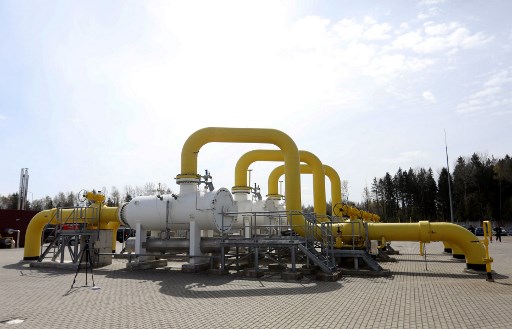
Egypt's current gas production stands at 5.7 billion cubic feet per day
(MENAFN) Egypt's current gas production is at 5.7 billion cubic feet per day, as reported by a spokesman for the country's petroleum ministry to the official Middle East News Agency. This figure reflects the ongoing efforts of the Egyptian government to meet the nation's energy demands. According to a UK-based news agency, the spokesman disclosed to the official agency that Egypt has arranged for 21 shipments of liquefied natural gas (LNG) to arrive during the summer. These shipments are intended to supplement the country’s energy supply, alongside additional quantities and shipments of diesel fuel.
The spokesman noted that the first of these gas shipments arrived on Monday and is currently being unloaded to be integrated into the national gas network. This arrival marks the beginning of a concerted effort to bolster Egypt's gas reserves. He expressed confidence that by the third week of July, the situation would be under control, and the national gas network's stock would be sufficient to meet the increased demand. This proactive measure is crucial to ensuring that the energy supply can keep pace with the heightened consumption during the summer months.
In June, Egypt took significant steps to address its energy needs by awarding tenders for the purchase of 20 LNG shipments. This represents the largest single procurement of LNG transported by sea, aimed at covering the surge in demand expected from July to September. The move underscores the government’s strategy to secure adequate energy supplies in anticipation of the peak summer period, which historically sees a spike in electricity consumption due to higher temperatures and increased use of air conditioning.
The dwindling supplies of natural gas, vital for electricity generation, have been a growing concern as Egypt’s population expands and urban development continues. The rising temperatures during summer exacerbate this issue, leading to higher energy consumption. Last month, Prime Minister Mostafa Madbouly addressed these challenges, stating that Egypt needs to import approximately USD1.18 billion worth of natural gas and diesel to mitigate the ongoing power outages. These outages have been intensified by successive heat waves, making it imperative for the country to bolster its energy imports to ensure a stable power supply.
Overall, these developments highlight Egypt's urgent efforts to manage its energy resources and infrastructure. The import of LNG and diesel is a critical component of the strategy to stabilize the national energy grid and meet the growing demand for electricity during the summer, thus preventing further disruptions and ensuring a steady supply for its population.
The spokesman noted that the first of these gas shipments arrived on Monday and is currently being unloaded to be integrated into the national gas network. This arrival marks the beginning of a concerted effort to bolster Egypt's gas reserves. He expressed confidence that by the third week of July, the situation would be under control, and the national gas network's stock would be sufficient to meet the increased demand. This proactive measure is crucial to ensuring that the energy supply can keep pace with the heightened consumption during the summer months.
In June, Egypt took significant steps to address its energy needs by awarding tenders for the purchase of 20 LNG shipments. This represents the largest single procurement of LNG transported by sea, aimed at covering the surge in demand expected from July to September. The move underscores the government’s strategy to secure adequate energy supplies in anticipation of the peak summer period, which historically sees a spike in electricity consumption due to higher temperatures and increased use of air conditioning.
The dwindling supplies of natural gas, vital for electricity generation, have been a growing concern as Egypt’s population expands and urban development continues. The rising temperatures during summer exacerbate this issue, leading to higher energy consumption. Last month, Prime Minister Mostafa Madbouly addressed these challenges, stating that Egypt needs to import approximately USD1.18 billion worth of natural gas and diesel to mitigate the ongoing power outages. These outages have been intensified by successive heat waves, making it imperative for the country to bolster its energy imports to ensure a stable power supply.
Overall, these developments highlight Egypt's urgent efforts to manage its energy resources and infrastructure. The import of LNG and diesel is a critical component of the strategy to stabilize the national energy grid and meet the growing demand for electricity during the summer, thus preventing further disruptions and ensuring a steady supply for its population.

Legal Disclaimer:
MENAFN provides the
information “as is” without warranty of any kind. We do not accept
any responsibility or liability for the accuracy, content, images,
videos, licenses, completeness, legality, or reliability of the information
contained in this article. If you have any complaints or copyright
issues related to this article, kindly contact the provider above.
Most popular stories
Market Research

More Story







Comments
No comment