




403
Sorry!!
Error! We're sorry, but the page you were looking for doesn't exist.
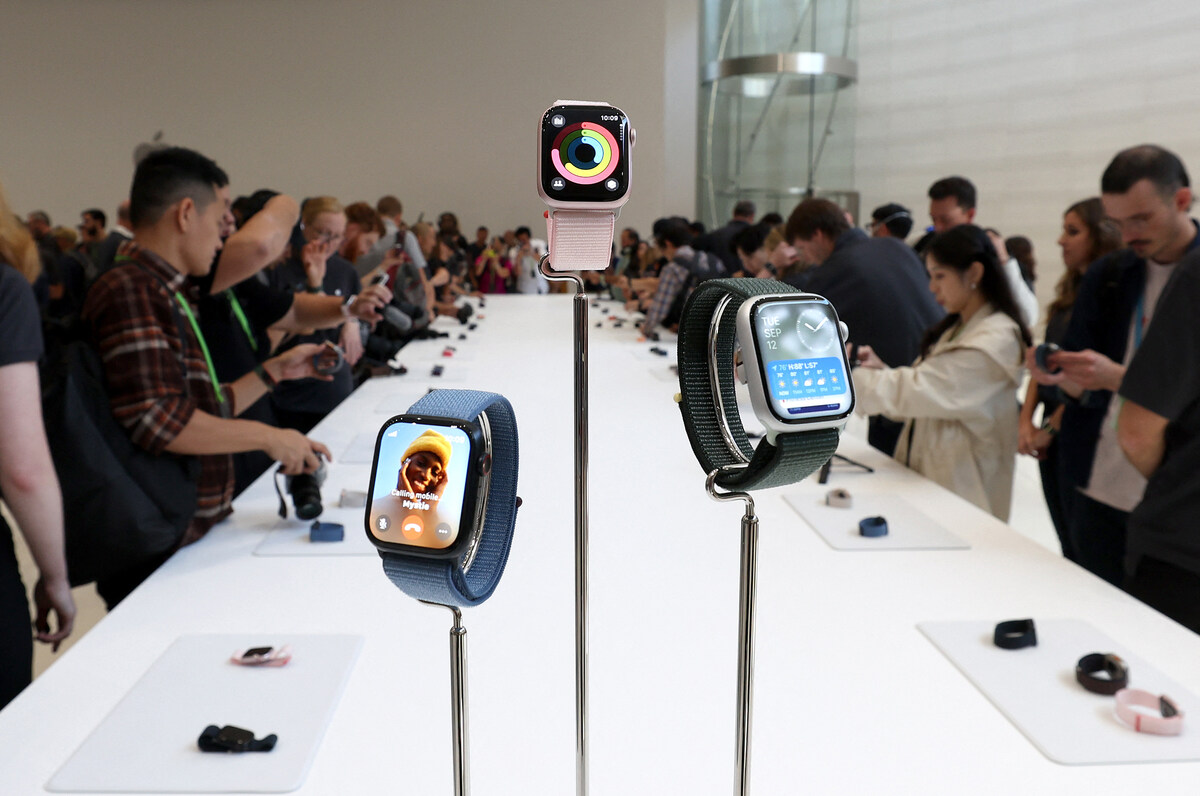
US witnesses unprecedented import ban on Apple watches
(MENAFN) The U.S. is witnessing an unprecedented event this Christmas season: a ban on the importation of popular consumer devices, particularly drawing attention to the intricate legal landscape surrounding patent enforcement in the country. Unless the White House intervenes in an unexpected manner, Apple faces severe restrictions, allowing only its basic watch model to be imported into the U.S. starting from December 26th. Such developments have led experts and scholars to label the situation as a "dangerous and expensive game." Mark Lemley, a distinguished law professor at Stanford University, emphasized the unpredictability and potential for far-reaching consequences inherent in such legal battles.
Despite grappling with this groundbreaking import ban, Apple has not been entirely on the losing side of the intellectual property skirmishes, especially concerning its watch technology. This indicates that while this particular battle might have gone in favor of the opposing party, Apple's broader intellectual property disputes are far from conclusively settled.
The genesis of this likely import ban traces back to a lawsuit initiated by Masimo, a renowned medical device manufacturer. Masimo alleges that Apple has infringed upon two of its patents specifically related to pulse oximetry technology, crucial for monitoring blood oxygen levels. Such legal confrontations underscore a fascinating and complex intersection of various intellectual property systems, especially as digital technologies continue to infiltrate and innovate within diverse markets.
Reflecting upon historical parallels, the tech industry has witnessed similar intellectual property clashes in its nascent stages. For instance, during the initial phases of smartphone proliferation, a confluence of telephony and computing technologies precipitated a slew of lawsuits. Major players like Apple and Google found themselves embroiled in legal disputes with stalwarts of mobile technology such as Nokia and Motorola, underscoring the recurrent and evolving nature of intellectual property conflicts in the rapidly advancing tech landscape.
Despite grappling with this groundbreaking import ban, Apple has not been entirely on the losing side of the intellectual property skirmishes, especially concerning its watch technology. This indicates that while this particular battle might have gone in favor of the opposing party, Apple's broader intellectual property disputes are far from conclusively settled.
The genesis of this likely import ban traces back to a lawsuit initiated by Masimo, a renowned medical device manufacturer. Masimo alleges that Apple has infringed upon two of its patents specifically related to pulse oximetry technology, crucial for monitoring blood oxygen levels. Such legal confrontations underscore a fascinating and complex intersection of various intellectual property systems, especially as digital technologies continue to infiltrate and innovate within diverse markets.
Reflecting upon historical parallels, the tech industry has witnessed similar intellectual property clashes in its nascent stages. For instance, during the initial phases of smartphone proliferation, a confluence of telephony and computing technologies precipitated a slew of lawsuits. Major players like Apple and Google found themselves embroiled in legal disputes with stalwarts of mobile technology such as Nokia and Motorola, underscoring the recurrent and evolving nature of intellectual property conflicts in the rapidly advancing tech landscape.

Legal Disclaimer:
MENAFN provides the
information “as is” without warranty of any kind. We do not accept
any responsibility or liability for the accuracy, content, images,
videos, licenses, completeness, legality, or reliability of the information
contained in this article. If you have any complaints or copyright
issues related to this article, kindly contact the provider above.
Most popular stories
Market Research

More Story








Comments
No comment