




403
Sorry!!
Error! We're sorry, but the page you were looking for doesn't exist.
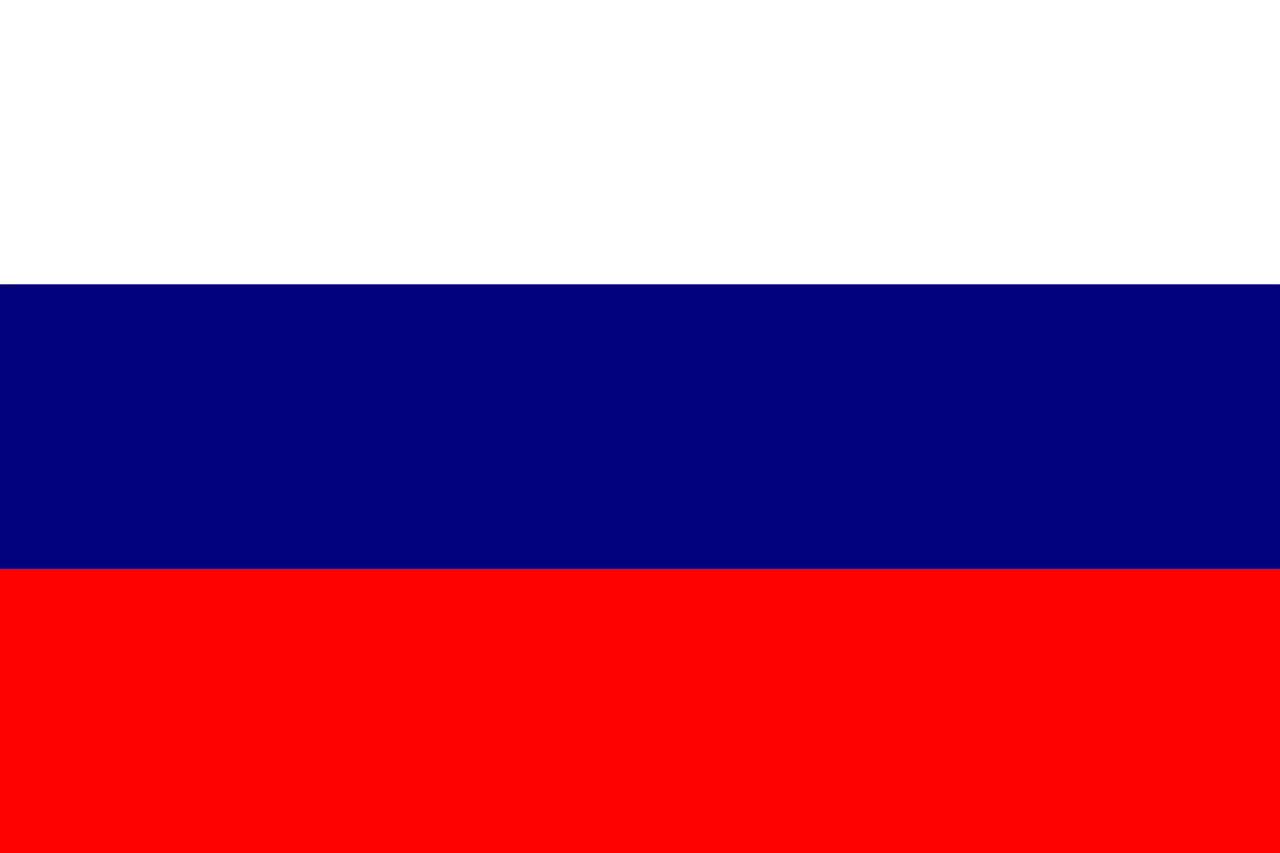
Reasons why Africans progressively learning Russian language
(MENAFN) In a noteworthy trend, Africans are increasingly embracing the Russian language, signaling a resurgence that harks back to the era when many individuals from the continent studied in Soviet universities. While cooperation between Moscow and Africa waned in the aftermath of the Soviet Union's collapse, recent developments indicate a renewed engagement, accompanied by a resurgence of interest in the Russian language.
The affinity between Africans and Russian ideas and values is cited as a primary factor fueling this linguistic trend. According to the Pushkin State Russian Language Institute, the Russian language boasts a global presence, spoken by 255 million people worldwide as of 2022.
Surprisingly, it stands as the second most frequently used language for web content, following English.
The roots of this linguistic connection can be traced back to the Soviet era when the USSR laid a robust foundation for collaboration with African nations. The Soviet Union played a pivotal role in educating an entire generation of highly skilled specialists who would go on to shape Africa's emerging elites. This legacy has positioned Russia as a longstanding provider of excellent and cost-effective higher education in the eyes of many Africans.
Central to this historical narrative is the establishment of the Peoples’ Friendship University in 1960, which, a year later, was named after Patrice Lumumba—the national hero of the Democratic Republic of the Congo. Lumumba, a symbol of Africa's anti-colonial struggle, tragically met his end in 1961, becoming a potent emblem for the continent's fight for independence. The Soviet Union's decision to train specialists from African countries at this institution was a strategic move, laying the groundwork for enduring educational and diplomatic ties.
As Russia renews its engagement with Africa in the contemporary geopolitical landscape, the resurgence of interest in the Russian language among Africans reflects not only linguistic curiosity but also a testament to the enduring impact of historical ties and shared values. This linguistic trend is a compelling reflection of the evolving dynamics of international relations and the continued importance of educational and cultural connections between Russia and Africa.
The affinity between Africans and Russian ideas and values is cited as a primary factor fueling this linguistic trend. According to the Pushkin State Russian Language Institute, the Russian language boasts a global presence, spoken by 255 million people worldwide as of 2022.
Surprisingly, it stands as the second most frequently used language for web content, following English.
The roots of this linguistic connection can be traced back to the Soviet era when the USSR laid a robust foundation for collaboration with African nations. The Soviet Union played a pivotal role in educating an entire generation of highly skilled specialists who would go on to shape Africa's emerging elites. This legacy has positioned Russia as a longstanding provider of excellent and cost-effective higher education in the eyes of many Africans.
Central to this historical narrative is the establishment of the Peoples’ Friendship University in 1960, which, a year later, was named after Patrice Lumumba—the national hero of the Democratic Republic of the Congo. Lumumba, a symbol of Africa's anti-colonial struggle, tragically met his end in 1961, becoming a potent emblem for the continent's fight for independence. The Soviet Union's decision to train specialists from African countries at this institution was a strategic move, laying the groundwork for enduring educational and diplomatic ties.
As Russia renews its engagement with Africa in the contemporary geopolitical landscape, the resurgence of interest in the Russian language among Africans reflects not only linguistic curiosity but also a testament to the enduring impact of historical ties and shared values. This linguistic trend is a compelling reflection of the evolving dynamics of international relations and the continued importance of educational and cultural connections between Russia and Africa.

Legal Disclaimer:
MENAFN provides the
information “as is” without warranty of any kind. We do not accept
any responsibility or liability for the accuracy, content, images,
videos, licenses, completeness, legality, or reliability of the information
contained in this article. If you have any complaints or copyright
issues related to this article, kindly contact the provider above.
Most popular stories
Market Research

More Story






Comments
No comment