




403
Sorry!!
Error! We're sorry, but the page you were looking for doesn't exist.
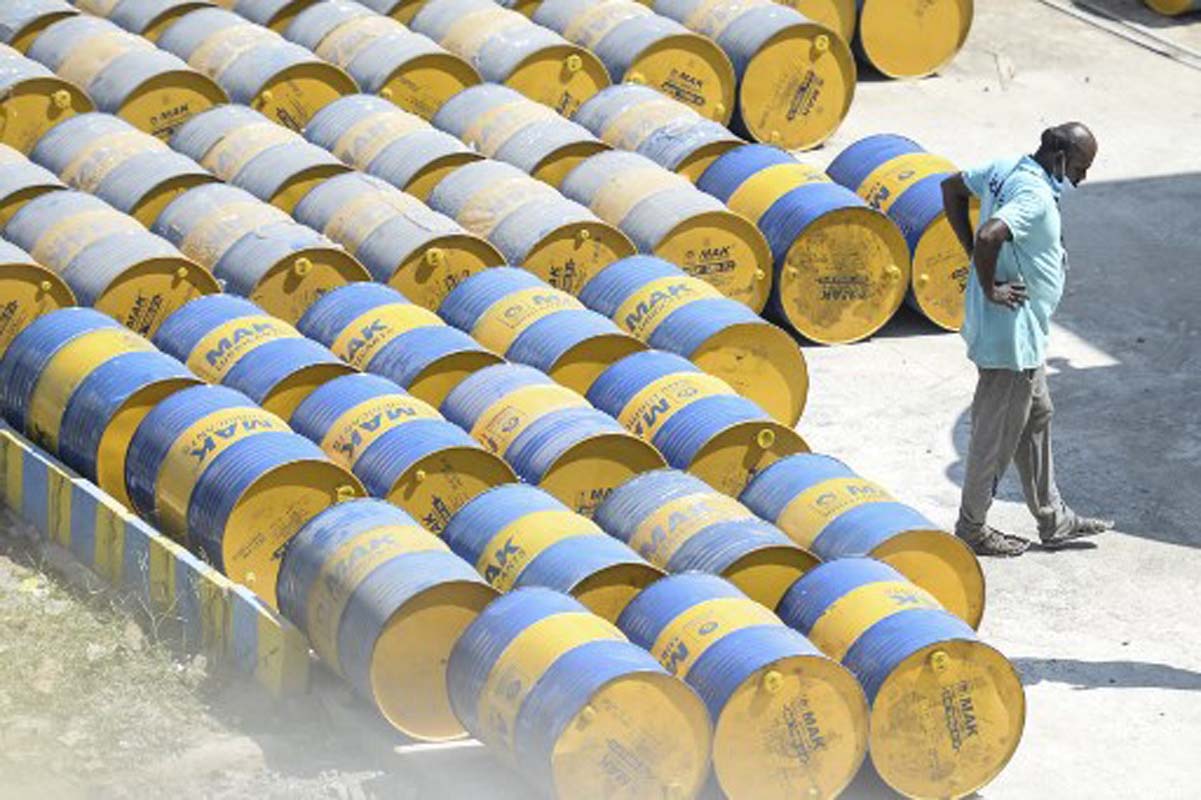
Niger Leverages Chinese Expertise for Ambitious Oil Pipeline Project
(MENAFN) Niger, a landlocked nation in West Africa, has embarked on a groundbreaking endeavor to construct a 2,000-kilometer-long oil pipeline destined for its neighboring country, Benin. The ambitious project, which recently entered its initial phase, was officially launched at the Agadem oil site, situated over 1,700 kilometers from the capital, Niamey, in the desert region of Diffa. This milestone event marks a significant step towards realizing the country's goal of enhancing both its sovereignty and overall development.
Prime Minister of Niger, Ali Mahaman Lamine Zeine, emphasized the pivotal role that the revenue from this oil exploitation will play in bolstering the nation's progress. The commissioning of the pipeline represents a historic juncture for Niger, as it opens avenues to directly participate in the international crude oil market through the Benin port of Seme.
Reports indicate that the extensive project has garnered substantial investments, totaling over USD6 billion. This includes USD4 billion allocated for the development of oil fields and an additional USD2.3 billion dedicated to the construction of the pipeline. Spearheading this ambitious endeavor is the China National Petroleum Corporation (CNPC), a key player in the global energy sector.
The successful completion of the pipeline will not only transform Niger's economic landscape but is also anticipated to bring about a notable surge in activity at the Port of Cotonou in Benin. Once operational, the port is projected to handle up to 300,000 tons of goods, underscoring the significant economic implications of this venture.
It is worth noting that this achievement comes at a time when Niger grapples with far-reaching sanctions imposed by the Economic Community of West African States (ECOWAS) and the European Union, following a military coup on July 26. Despite these challenges, Niger's pursuit of this monumental pipeline project signifies its determination to diversify its economic prospects and strengthen its position on the global stage.
As one of the world's poorest nations, Niger traditionally relies on significant development aid, receiving close to USD2 billion annually. The successful realization of this oil pipeline project holds the promise of transformative economic growth, potentially reshaping Niger's future trajectory and bolstering its standing within the international community.
Prime Minister of Niger, Ali Mahaman Lamine Zeine, emphasized the pivotal role that the revenue from this oil exploitation will play in bolstering the nation's progress. The commissioning of the pipeline represents a historic juncture for Niger, as it opens avenues to directly participate in the international crude oil market through the Benin port of Seme.
Reports indicate that the extensive project has garnered substantial investments, totaling over USD6 billion. This includes USD4 billion allocated for the development of oil fields and an additional USD2.3 billion dedicated to the construction of the pipeline. Spearheading this ambitious endeavor is the China National Petroleum Corporation (CNPC), a key player in the global energy sector.
The successful completion of the pipeline will not only transform Niger's economic landscape but is also anticipated to bring about a notable surge in activity at the Port of Cotonou in Benin. Once operational, the port is projected to handle up to 300,000 tons of goods, underscoring the significant economic implications of this venture.
It is worth noting that this achievement comes at a time when Niger grapples with far-reaching sanctions imposed by the Economic Community of West African States (ECOWAS) and the European Union, following a military coup on July 26. Despite these challenges, Niger's pursuit of this monumental pipeline project signifies its determination to diversify its economic prospects and strengthen its position on the global stage.
As one of the world's poorest nations, Niger traditionally relies on significant development aid, receiving close to USD2 billion annually. The successful realization of this oil pipeline project holds the promise of transformative economic growth, potentially reshaping Niger's future trajectory and bolstering its standing within the international community.

Legal Disclaimer:
MENAFN provides the
information “as is” without warranty of any kind. We do not accept
any responsibility or liability for the accuracy, content, images,
videos, licenses, completeness, legality, or reliability of the information
contained in this article. If you have any complaints or copyright
issues related to this article, kindly contact the provider above.
Most popular stories
Market Research

More Story






Comments
No comment