






403
Sorry!!
Error! We're sorry, but the page you were looking for doesn't exist.
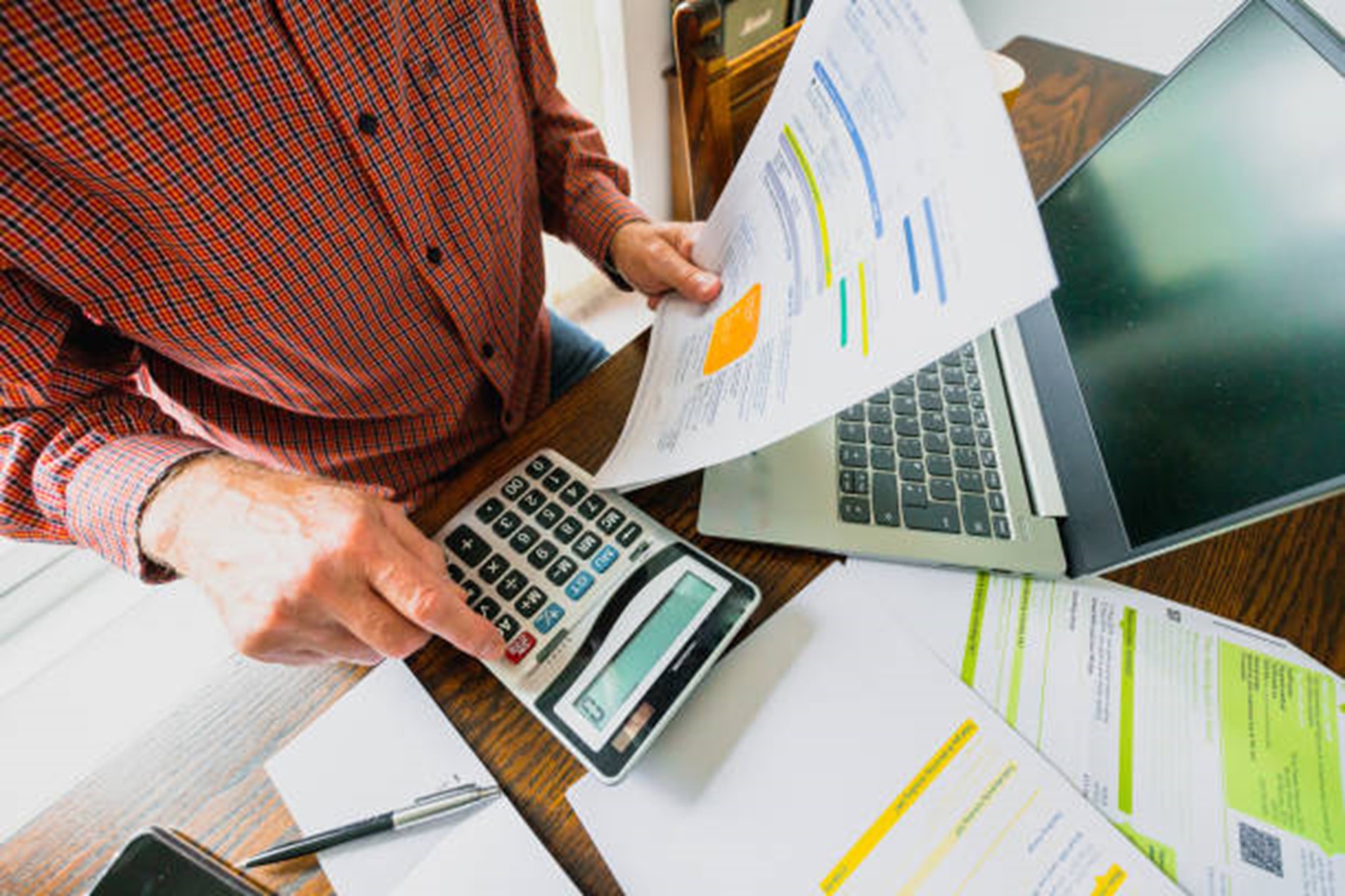
Save Yourself From Invoice Fraud — 7 Tips To Know
(MENAFN- Emerging Software)
Scams in the form of invoices pose a huge and ever-increasing risk to business owners. A malicious redirection scam, sometimes referred to as invoice fraud, resulted in a total loss of £56.7 million in 2021, with just an estimated loss of almost £14,000, according to a report published in 2022 by UK Finance.
In addition, the research underscores the fact that the bulk of losses happened on accounts that were not personal and were instead commercial accounts, which are characterised by more frequent payments of higher value.
Protecting the financial health of your small business is more critical than it has ever been in light of recent developments such as the crisis in business costs, rising inflation, and growing energy expenses. The experts at FSB Business Banking walk you through the steps you can take to protect yourself from becoming a victim of invoice fraud.
An Insight Into Invoice Fraud
Scams involving the redirection of invoices occur when a con artist uses deception to get you to change the bank information listed as the payment method on an invoice. These criminals attack businesses by posing to be suppliers, and they even target customers by claiming to be businesses themselves, such as tradesmen.
They will frequently contact you in order to request that your records be updated with fresh payment information and will require that the invoice be paid as soon as possible.
Because of this kind of fraud, genuine bills from suppliers go underpaid, and businesses end up out of pocket as a result. This can have a devastating effect on the cash flow of your small business because invoices for business-to-business (B2B) transactions are frequently for several pounds at a time. Examples of B2B transactions include monthly retainers and bulk orders.
7 Ways To Protect Yourself From Invoice Fraud
You need not be concerned because there are multiple methods available to protect yourself against bogus bills and determine whether or not a modification to the payment details is genuine.
Email Hack
Emails are an easy way to hack or make to look extremely similar, and it is simple to produce bogus paper bills. Before you make any payments, check with your provider to see if there have been any requests to modify the payment details. Get in touch with your provider by calling or writing to them at an established number or address.
Urgent Payments
Be wary of any demands for immediate payments, particularly if you weren't anticipating receiving an invoice via your vendor any time soon. For instance, if you have a habit of paying bills at the end of each month, receiving a request for payment in the middle of the next month would be out of the ordinary for you. Even if they seem to be messages sent by someone working for the company, you should nevertheless proceed with extreme caution at all times.
Human Force
If you have employees who are responsible for processing your invoices, you should make sure that they are aware of the red flags that indicate a possible scam and reassure them to report any concerns regarding unexpected payments or changes to the information about the suppliers they work with.
Unknown Senders
Downloading files in emails sent by unknown senders that look to be billed is a popular tactic used in phishing schemes; therefore, you should avoid doing so. Instead, you should make sure that you check to see if an invoice has been sent by your provider.
If you are paying a different vendor, you should think about sending them a little payment initially. After that, you should check with the new supplier to make sure that the payment information is right and that they have received payment.
Check the authenticity of the invoice against the other ones you have. In most cases, it is simple to determine whether or not it is a fake invoice since it may have a format that is odd or include logos that are blurry.
The Web-Data
Pay close attention to any information that may be posted on the social media or website of your organisation. Be wary of any information that is easily accessible to the public that fraudsters could use to their advantage, such as details about your connections with the companies that supply you with goods and services.
What Should You Do To Step Out Of An Invoice Scam Instantly?
If you find out that your company's email has been stolen and that false bills have been sent to customers, you should immediately notify both your IT support team and the affected clients.
Sending money to a fraudster's bank account is a serious mistake that has to be reported right away. Putting a stop to local transactions is challenging, but intercepting international ones might be possible if you move quickly enough.
If your transaction has already been sent to the incorrect account, retrieving it will be a difficult and time-consuming process. Get in touch with your insurance provider or trade assistance systems like the bitcoin bank breaker to inquire about your coverage, the scope of coverage, and any associated costs.
If an insurer determines that it was your fault, they may refuse to pay up on a claim even though you have a solid right to pursue it.
The Final Thoughts
Criminals committing invoice fraud attempt to dupe businesses into changing the payment information for a supplier when the latter is real. This is typically uncovered only after the real provider investigates a lack of payment.
It may come as a surprise, but many smaller companies still rely heavily on paper records. Asset misappropriation was identified to be the most common type of commercial fraud in the 2022 Report to the Nations Global Fraud Survey.
On the other hand, you could argue that you have no choice but to adopt paper-based processes since your clients and suppliers insist on using them. It's possible that you'll be inundated with paper thanks to the habits of your clients and suppliers.
Nevertheless, if you switch to electronic invoicing and accept payments online, you may drastically cut down on paper usage. Some of those papers can be scanned and so eliminated from circulation.
As there will be fewer paper documents, scammers will have a harder time pulling one over on you.
Emerging Software
Legal Disclaimer:
MENAFN provides the
information “as is” without warranty of any kind. We do not accept
any responsibility or liability for the accuracy, content, images,
videos, licenses, completeness, legality, or reliability of the information
contained in this article. If you have any complaints or copyright
issues related to this article, kindly contact the provider above.
Most popular stories
Market Research

More Story








Comments
No comment