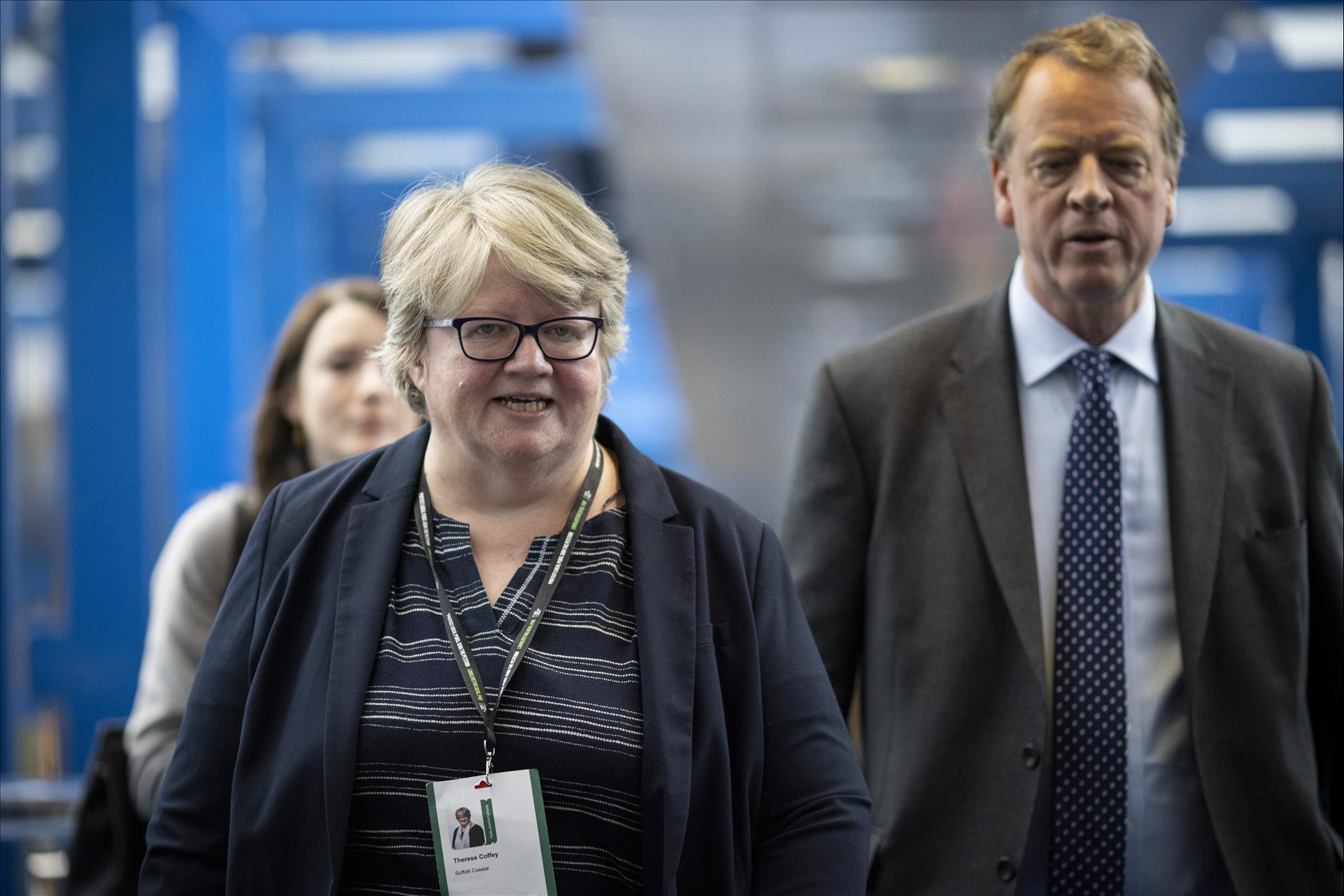
(MENAFN- The Conversation) Thérèse Coffey, the health secretary for England, has to friends and family who were feeling unwell. This led to the British Medical Association issuing a , describing her actions as“not only potentially dangerous, but also against the law”.
In the UK, medicines fall into that determine how people can access them.“General sales list” medicines, such as small packets of some painkillers or simple cough mixtures, can be bought over the counter in supermarkets and other shops.
“Pharmacy medicines”, such as travel sickness tablets or stronger painkillers, are sold in pharmacies when supervised by a pharmacist. And“prescription-only medicines”, such as antidepressants and antibiotics. These drugs can only be prescribed by a doctor or other health professional with prescribing rights. Antibiotics are prescription-only medicines.
The Medicines and Healthcare Products Regulatory Agency (MHRA) in the UK has that anyone supplying a prescription drug to someone for whom the drug is not intended is breaking the law. However, the agency says that a prosecution is highly unlikely.
In the UK, the governs the control of medicines, including their supply as they relate to commercial transactions or services. However, it does not include social sharing, which might explain the MHRA's observation.
Social sharing, though, can sometimes lead to a prosecution. An even stronger type of prescription medicine is a“controlled drug” named in the . Controlled drugs are particularly addictive and harmful when misused or diverted for illicit use. For this reason, there are on how they are prescribed, supplied, stored and even destroyed.
Some controlled drugs even require travellers to have proving the medicine was supplied to them, or a Home Office when bringing them into the UK. Under the it is an offence to unlawfully supply a controlled drug or be improperly in possession of it.
Antibiotic resistance
But the medicines reportedly discussed by Thérèse Coffey were antibiotics – not controlled drugs. are prescription medicines, and sharing them raises other concerns.
Antibiotics work by killing bacteria or stopping them from spreading. Overuse and misuse of these drugs over the years have led to the creation of“superbugs”, which are strains of bacteria resistant to most common antibiotics.
The (WHO) has called antibiotic resistance one of the biggest threats to global health, food security and development. So to prevent and control the spread of antibiotic resistance, the WHO asks people to only use antibiotics when prescribed by a certified health professional and never share or use leftover antibiotics. This is at odds with the scenario attributed to Coffey and potentially explains the strength of BMA's response.
In a to the Times, Professor Claire Anderson, president of the Royal Pharmaceutical Society, wrote:
Mis-using antibiotics can lead to the creation of superbugs. Graham Turner / Alamy Stock Photo Other risks
Aside from the risk of increasing antibiotic resistance, prescription medicines are usually strong drugs that need close oversight. This means a suitably qualified person has they are the right drugs, given at the right dose for the person intending to use them.
Shared medicines could be unsuitable because of someone's existing health condition (such as being pregnant, breastfeeding, or having a kidney or liver injury), the potential for the medicine to cause side-effects, an allergic reaction or become habit forming. Shared medicines might also interact with the recipient's other existing medicines.
Side-effects such as drowsiness become even more important when considering laws that make it after taking certain medicines, especially if these have not been prescribed for the .
During the current cost of living crisis, people might be tempted to save on prescription costs by sharing drugs. But no one should be sharing their leftover prescription drugs as the potential harms are likely to far outweigh any immediate benefit.














Comments
No comment