


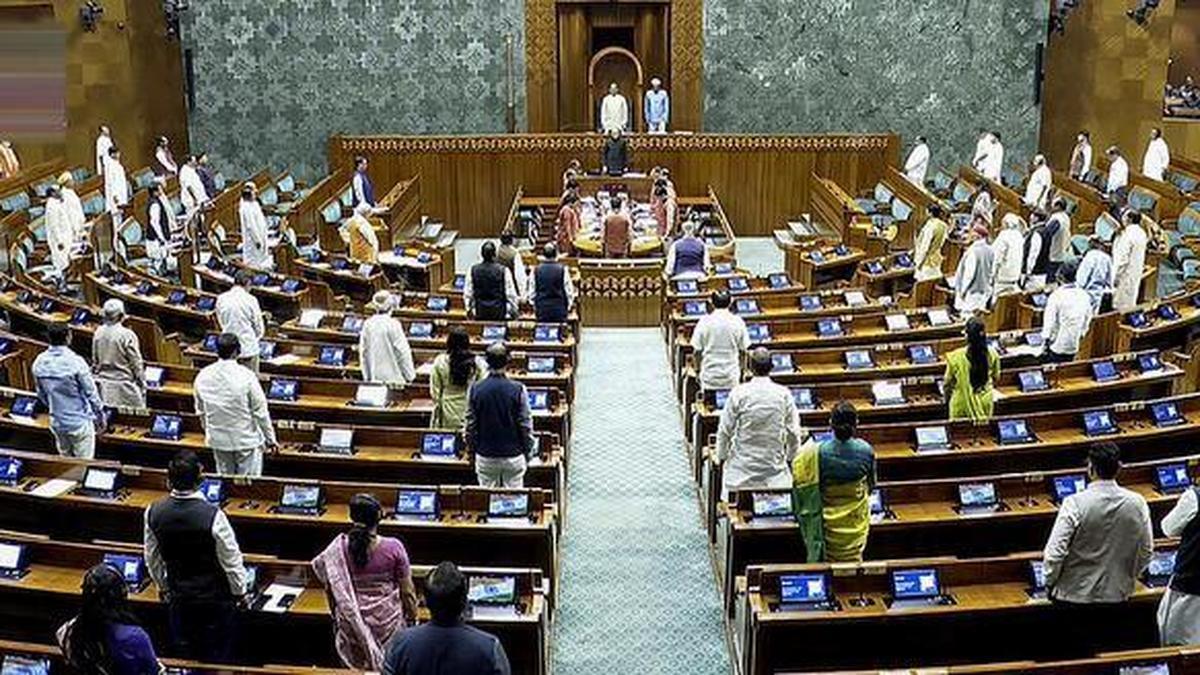
Women's Reservation, Delimitation Set For Major Overhaul Of India's Electoral Map


Key details emerging from the Union government's roadmap indicate a substantial expansion in representation while ensuring one-third reservation for women across Legislative bodies.
Under the proposed framework, the details pointed out, the strength of the Lok Sabha is expected to increase by nearly 50 per cent, taking its maximum size to around 850 members from the current 543.
State Assemblies are also likely to see a major expansion, with the maximum permissible strength increasing to 650 seats.
Uttar Pradesh, the country's most populous state and politically the most influential, could see its Assembly strength rise dramatically from the existing 403 seats to 650.
The plan is anchored in two constitutional amendment proposals.
While state-wise seat allocation is proposed to be determined on the basis of the 1971 Census under the 131st Constitutional Amendment, the redrawing of constituency boundaries would be guided by demographic changes reflected in the 2011 Census through the proposed 132nd Constitutional Amendment.
A key feature of the reform package is the implementation of 33 per cent reservation for women in the Lok Sabha and state Assemblies.
The reservation framework will also cover women belonging to Scheduled Castes and Scheduled Tribes, ensuring their representation within the overall quota structure.
Significantly, the proposed women's reservation system is expected to be delinked from the 2026 Census, a long-standing political issue that had delayed implementation.
The reservation would remain in force for 15 years, covering nearly three electoral terms, with reserved constituencies rotating periodically to ensure wider participation across regions.
The reforms also envisage the constitution of a new Delimitation Commission after receiving Parliamentary approval.
The commission would undertake constituency restructuring and prepare a revised electoral map before the 2029 Lok Sabha elections.
Another major provision is the freezing of both seat allocation among states and constituency readjustment until 2051.
Supporters say that this will provide long-term certainty and prevent recurring political disputes over representation.
The proposed changes are expected to be introduced through a package of three Bills, including two Constitutional amendments and a separate amendment relating to Union Territories, potentially paving the way for one of the most far-reaching electoral reforms in modern India.

Legal Disclaimer:
MENAFN provides the
information “as is” without warranty of any kind. We do not accept any
responsibility or liability for the accuracy, content, images, videos,
licenses, completeness, legality, or reliability of the information
contained in this article. If you have any complaints or copyright issues
related to this article, kindly contact the provider above.


Comments
No comment