


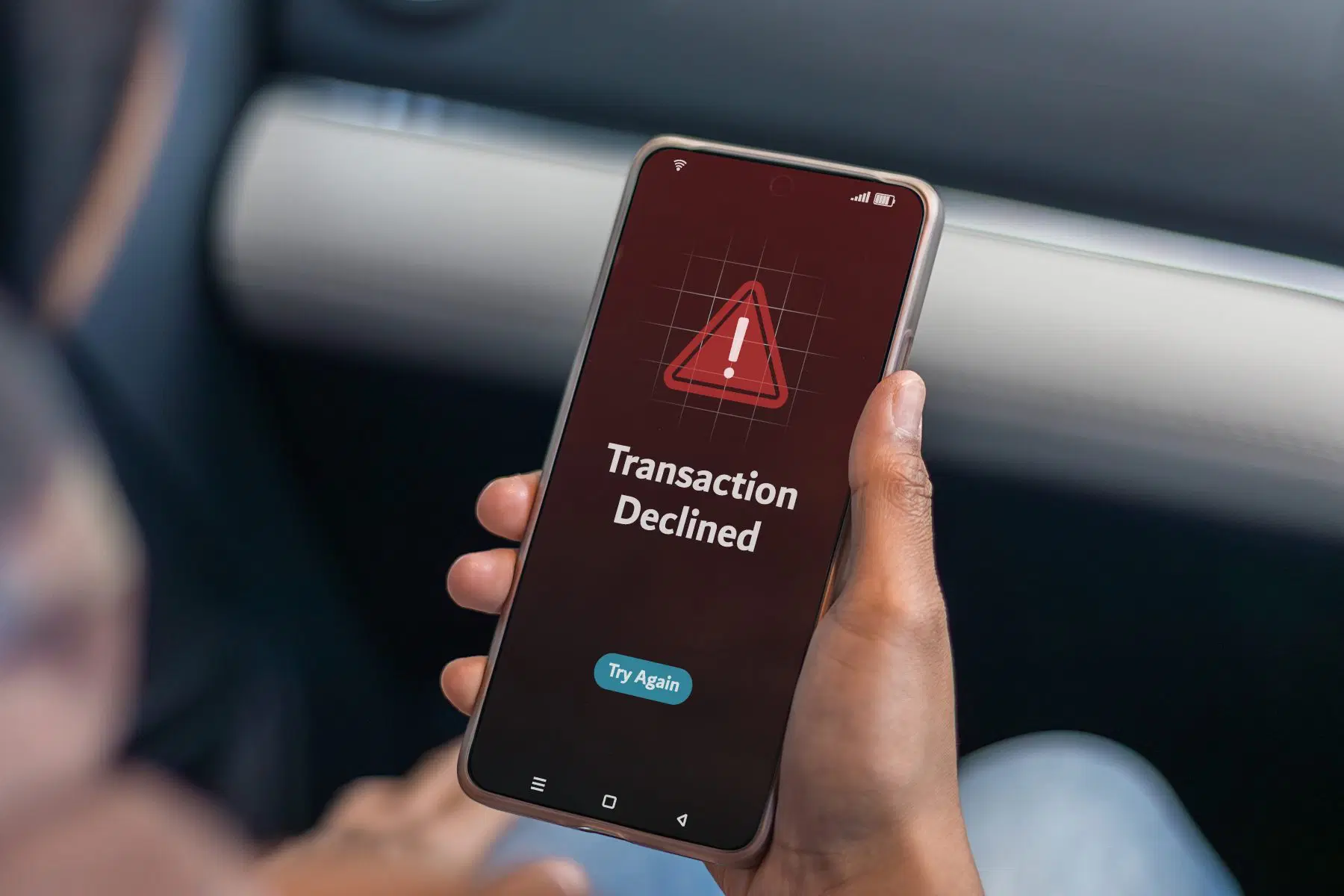
Why A Bank Might Question A Transaction You Make Every Month


- Banks monitor recurring payments for unusual patterns, not just unfamiliar merchants. Changes in payment methods, transaction details, or timing can trigger additional scrutiny. Activity elsewhere in your account can affect how a routine payment looks. Unusual transfers, withdrawals, or account changes may prompt a closer review. A fraud alert doesn't automatically mean someone stole your money. Verify requests through official banking channels, investigate unfamiliar charges, and report unauthorized electronic payments promptly.
Your mortgage payment goes out on the first of every month. Your gym membership charges the same card. Your favorite streaming service collects its usual subscription fee. Nothing unusual here. Except one morning, your bank suddenly flags a payment you've made dozens of times without a problem.
Banks don't necessarily consider familiar transactions harmless forever. Their fraud detection systems continually look for activity that differs from expected patterns, even when a payment involves a familiar company. Sometimes a small change in an otherwise ordinary transaction raises a warning. Other times, the bank spots something suspicious that has nothing to do with the payment itself.
This creates an interesting problem for consumers: The payment that looks perfectly ordinary from your side of the screen might look different from the bank's perspective. And the reason behind that extra scrutiny isn't always obvious.
Your Regular Payment Can Develop an Unusual HabitBanks examine more than the merchant's name and the amount leaving your account. They also monitor transaction patterns, payment methods, account activity, and other details that help identify potentially suspicious behavior.
Federal banking guidance requires financial institutions to maintain risk-based customer monitoring procedures. These procedures help banks recognize transactions that don't fit a customer's expected financial activity. Automated systems can examine transfers, withdrawals, deposits, ATM activity, and electronic payments. Some systems also adapt to historical patterns and changes in account behavior.
Consider a monthly $85 payment to a home security company. The charge normally appears on the fifth of each month through an automatic bank withdrawal. Suddenly, the company processes it using a different payment route or submits an unfamiliar transaction description. The payment might still be legitimate, but the changed details could trigger additional scrutiny. Even timing can contribute to a suspicious pattern. A payment that normally occurs once monthly might suddenly appear several times within a short period. That could reflect a billing correction or a processing error. It could also indicate someone has gained access to the account.
The bank doesn't necessarily know which explanation applies. That's precisely why it may investigate.
The Merchant Name Isn't the Whole StoryConsumers often assume a familiar company name provides enough reassurance for a bank to approve a payment. Unfortunately, fraud detection doesn't work quite that simply. A transaction involves more information than the business name displayed on a statement. Payment networks and financial institutions handle details associated with the transaction, including its processing method and other identifying information. A merchant might also use a different payment processor or billing descriptor, changing how the charge appears.
This can create confusion with completely legitimate businesses. A subscription service might bill through its parent company rather than the brand customers recognize. A utility payment might display a processing company's name. A familiar retailer could use a different payment arrangement after changing service providers.
Now imagine checking your account and finding a $42 charge from a company you've never heard of. The amount looks familiar, but the name doesn't. It might represent your regular subscription under a different billing descriptor.
That doesn't mean every unfamiliar charge deserves a free pass. Fraudsters sometimes disguise unauthorized transactions using misleading merchant descriptions. Checking the business through its official website or contacting its customer service department can help establish whether the payment makes sense.
Your Other Account Activity Can Change the EquationA transaction doesn't exist in isolation. Banks also examine surrounding activity, which means an ordinary recurring payment can attract attention after something unusual happens elsewhere in the account. Suppose your monthly $300 insurance premium has cleared without trouble for years. Then someone attempts several large transfers, makes purchases in unfamiliar locations, and changes account security information. The insurance payment itself hasn't changed, but the surrounding activity could increase the bank's concern.
Banks also consider whether transactions fit the customer's broader financial profile. A sudden series of large withdrawals, unusual deposits, or transfers involving unfamiliar accounts might prompt additional review. The recurring payment could become part of a larger pattern that the bank wants to examine.
There are two different concerns at work here. Fraud monitoring looks for activity that might indicate unauthorized access or stolen payment information. Anti-money-laundering monitoring looks for suspicious financial activity that could involve illegally obtained funds or attempts to conceal their origin. These systems serve different purposes, although both can lead banks to examine transactions more closely. Neither requires a customer to have done anything wrong.
A Routine Payment Can Still Trigger a Temporary RoadblockA bank's warning doesn't automatically mean it has discovered fraud. Sometimes its systems simply need additional confirmation before allowing a transaction to proceed. Depending on the bank and payment method, that response might involve a text message, an app notification, a request to verify account activity, or a declined payment. Some situations require a conversation with the bank's fraud department.
This can create particularly annoying problems with automatic payments. A declined insurance premium, loan payment, or utility bill could lead to late-payment concerns if nobody notices the interruption. The merchant might also attempt another withdrawal, depending on its billing procedures.
Consumers shouldn't assume a failed transaction will automatically try again. Check the merchant's payment status and contact the company if necessary. If the bank confirms the transaction is legitimate, ask whether it needs anything else before the next scheduled payment.
Also, don't assume an account alert means the bank has frozen everything. A declined card transaction, a temporary security restriction, and a broader account hold are different situations. Ask the bank exactly what restriction applies and which payments can still go through.
What to Do When Your Bank Starts Asking QuestionsThe first step is surprisingly simple: Verify that the request actually came from your bank. Scammers regularly impersonate financial institutions through texts, emails, and phone calls. They may claim a recurring payment triggered a security alert, then pressure customers into revealing passwords, verification codes, or account information.
Don't click suspicious links or call unfamiliar numbers supplied in unexpected messages. Instead, open your bank's official mobile app, visit its website directly, or call the number printed on your debit card.
If the bank confirms the transaction needs verification, cooperate with its security process. Explain the payment's purpose, identify the merchant, and provide requested information through an authenticated channel. If you don't recognize the charge, say so clearly rather than approving it simply because the amount looks familiar.
Check your recent transactions for other unfamiliar activity, too. U.S. Bank specifically recommends reviewing account activity, setting up alerts, and investigating unfamiliar merchants. If you discover an unauthorized electronic payment, contact your bank promptly. Additionally, the Consumer Financial Protection Bureau explains that reporting deadlines can affect your protections under federal electronic fund transfer rules. For certain unauthorized transfers, waiting too long can increase your potential liability.
Familiar Doesn't Always Mean Automatically ApprovedA recurring payment earns a place in your financial routine, but it doesn't receive permanent immunity from security checks. Banks continue evaluating activity because fraudsters can exploit familiar payment arrangements, stolen credentials, and legitimate-looking transactions. That occasional verification request can be irritating, especially when you're simply trying to pay the electric bill. Still, a system that never questions familiar transactions would leave an obvious opening for criminals.
Keep your contact information current, enable transaction alerts, and pay attention when a routine charge suddenly changes. A little checking can prevent a minor inconvenience from turning into a missed payment or a much larger financial headache.
Has your bank ever questioned a payment you've made regularly for years? What triggered the warning, and how did the bank resolve it?
Free NewsletterGet Our Free 2026 Retirement GuidelinesJoin 9,000+ savers. Our free guide shows how to cut taxes, protect your Medicare and claim the benefits many retirees miss. Sign up and we'll email it to you, along with practical money tips twice a month. Email address Leave this empty Free. Unsubscribe anytime. See our Privacy Policy.Brandon Marcus is a staff writer at District Media, Inc., where he delivers practical personal finance, DIY, family, and lifestyle advice with a relatable, no-nonsense style. Holding a BA degree and with over ten years of professional writing experience, he is an award-winning published author whose first book, Questions For Deep Thinkers, was released by Adams Media. His work has appeared in major publications including Fandom, CHUD, TheColdWire, and Fansided.
Like This Article? Share It With A Colleague.

Legal Disclaimer:
MENAFN provides the
information “as is” without warranty of any kind. We do not accept any
responsibility or liability for the accuracy, content, images, videos,
licenses, completeness, legality, or reliability of the information
contained in this article. If you have any complaints or copyright issues
related to this article, kindly contact the provider above.


Comments
No comment