


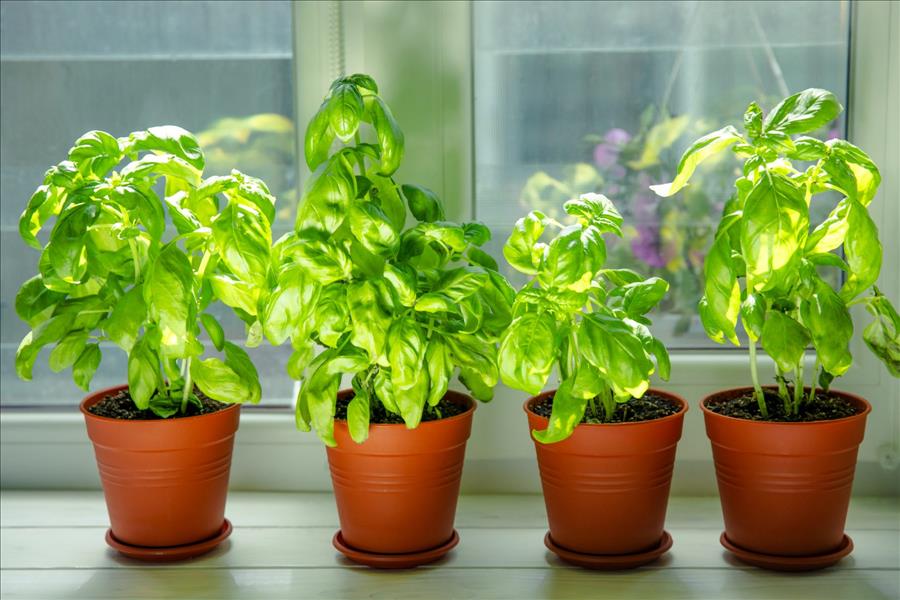
Can You Grow Herbs Indoors Without Buying A Grow Light?


Fresh rosemary for roasted potatoes, parsley for homemade soup, and chives for your morning eggs sound especially appealing when your outdoor garden is buried under snow. However, setting up an indoor herb garden can quickly become expensive when you start browsing grow lights, specialized planters, and automated growing systems. Is all that equipment really necessary to keep a few culinary herbs alive?
Depending on your home's natural light and the herbs you choose, you may be able to maintain a productive little garden without buying a grow light. The trick is working with the conditions you already have rather than trying to recreate summer inside your kitchen.
Your Windows Determine What You Can GrowNatural sunlight is perfectly capable of supporting indoor herbs when enough reaches their leaves. The challenge during winter is that shorter days and lower sunlight intensity can dramatically reduce available light. University of Illinois Extension identifies six to eight hours of bright daily light as a useful target for many culinary herbs. Observe your windows throughout the day to determine which receive the longest periods of unobstructed sunshine. A bright location in another room may prove more suitable than the kitchen windowsill you originally intended to use.
A South-Facing Window Is Often Your Best OptionIn the United States, south-facing windows generally offer favorable opportunities for capturing winter sunshine. West-facing windows can also provide useful afternoon light, depending on surrounding buildings, trees, and other obstructions. North-facing windows typically receive less direct sunlight, making them challenging locations for sun-loving herbs. Clean the glass and move curtains or other objects that unnecessarily block incoming light. Position your containers close enough to benefit from sunlight without exposing sensitive plants to freezing glass or cold drafts.
Choose Herbs That Match Your Available LightSome culinary herbs are more demanding than others when grown indoors. Mint, parsley, and chives may be reasonable plants to experiment with when your available light is less than ideal. Mediterranean herbs such as rosemary, thyme, and oregano generally appreciate brighter conditions and appropriate drainage. Basil can become particularly disappointing when grown in inadequate winter light or near cold windows. Start with a small collection rather than purchasing numerous plants that may struggle in your home.
Bring Suitable Herbs Inside From Your Existing GardenYou might already own everything needed to begin an indoor herb garden. Healthy container-grown herbs can sometimes be moved indoors before outdoor temperatures become unsuitable for them. Gradually acclimating plants to their new environment can reduce the stress associated with changing light levels and humidity. Inspect them carefully for aphids, spider mites, whiteflies, and other pests before bringing them inside. Illinois Extension's container herb guidance offers additional information about transitioning suitable plants indoors.
You Don't Need Expensive Matching PlantersHerbs don't care whether their containers match your kitchen decorations. Reused nursery pots and other suitable containers can work perfectly well when they're clean, appropriately sized, and equipped with drainage holes. Use a quality container potting mix rather than heavy garden soil that may compact indoors. Place saucers underneath containers to protect furniture, but don't allow plants to remain standing in accumulated drainage water. Purchasing decorative outer pots should be optional rather than a requirement for starting your indoor garden.
Watering Less Can Sometimes Keep Herbs HealthierHerbs growing slowly through winter may not use water as quickly as they did during summer. Continuing to follow your outdoor watering schedule can leave their roots in excessively wet soil. Check moisture levels regularly and adjust watering according to the needs of each species. Rosemary, for example, benefits from good drainage but shouldn't repeatedly experience extreme dehydration. Avoid watering every container on the same schedule simply because the plants are sitting beside one another.
Watch for Signs That Your Herbs Aren't Getting Enough LightLong, weak stems and widely spaced leaves can indicate that plants aren't receiving sufficient light. Herbs may also lean dramatically toward a window, develop pale growth, or produce disappointing harvests. Rotating containers can encourage more balanced growth, but it won't correct a fundamental shortage of available sunlight. Excess fertilizer won't solve the problem either and may encourage additional weak growth. If your herbs consistently deteriorate, reconsider their location or accept that supplemental lighting may be necessary.
Your Existing Household Lighting Might Offer Another OptionA suitable existing fluorescent or LED fixture may provide useful supplemental light without requiring you to purchase a specialized grow light. However, ordinary ceiling fixtures positioned far above plants generally won't deliver enough intensity for substantial growth. Light output, placement, spectrum, and operating duration all influence whether an existing fixture will be effective. Use only fixtures installed and operated within their electrical and manufacturer specifications, particularly around water. This approach can reduce equipment costs, although it isn't equivalent to successfully growing herbs using sunlight alone.
Calculate Whether Growing Herbs Is Actually Saving MoneySuppose you ordinarily purchase two $3 packages of fresh herbs every month during a four-month winter. That represents a potential grocery expense of $24. Reusing containers, growing plants you already own, and relying on adequate natural sunlight could eliminate some of that spending. Buying a $40 lighting system exclusively to replace those herbs might not pay for itself during the first winter. Your actual savings will depend on harvest quality, plant survival, and how frequently you use fresh herbs.
Winter-grown herbs generally aren't going to produce the same abundant harvests they deliver outdoors during summer. Nevertheless, a few healthy plants can provide fresh flavor while keeping your gardening expenses relatively low. Focus on appropriate plant selection, available sunlight, sensible watering, and modest harvesting. If natural light proves insufficient, choose whether supplemental lighting is worth the additional expense rather than repeatedly replacing struggling plants.
Which herbs have you successfully grown indoors without using a grow light?
Legal Disclaimer:
MENAFN provides the
information “as is” without warranty of any kind. We do not accept any
responsibility or liability for the accuracy, content, images, videos,
licenses, completeness, legality, or reliability of the information
contained in this article. If you have any complaints or copyright issues
related to this article, kindly contact the provider above.


Comments
No comment