


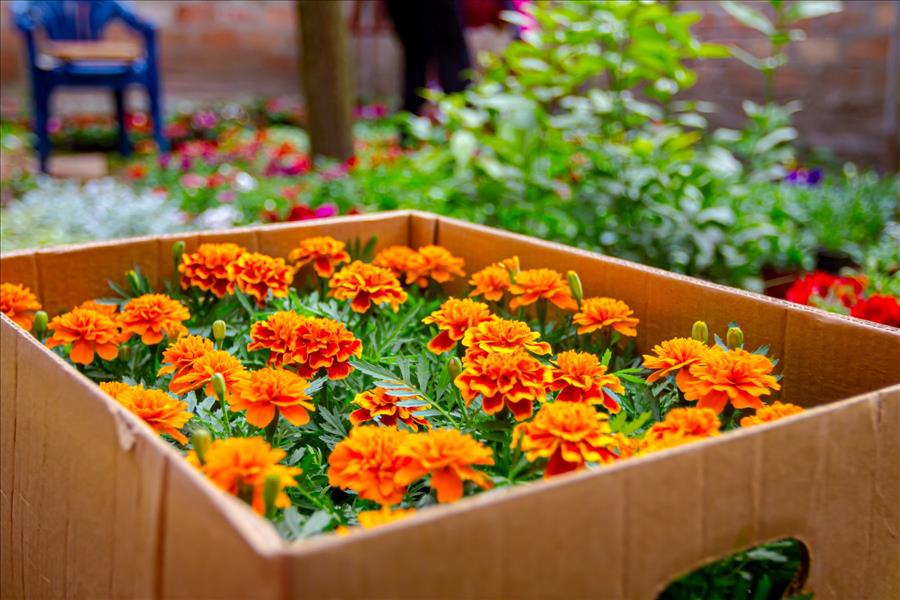
5 Signs Your Potted Plants Need Protection Before The First Freeze


Your patio plants still look healthy, the afternoons feel relatively warm, and you haven't noticed any obvious frost damage. It might seem unnecessary to start moving containers or preparing winter protection. However, the first serious temperature drop can damage vulnerable roots and foliage before you realize your plants were at risk.
Container gardening creates challenges that don't always affect plants growing directly in the ground. Recognizing these five signs that your potted plants need protection could help you preserve established plants instead of replacing them next spring.
1. Your Plants Are Only Marginally Hardy in Your Growing ZoneA plant advertised as winter-hardy might still experience serious damage when grown in a container. Hardiness ratings generally reflect a plant's ability to tolerate winter conditions, but roots in exposed containers face different temperature fluctuations than those surrounded by garden soil. Check your location using the USDA Plant Hardiness Zone Map and compare it with your plant's requirements. A perennial near the colder limit of its recommended growing range deserves particular attention. Don't assume that a nursery tag guaranteeing suitability for your zone establishes that exposed containers are equally safe.
Roots Can Be More Vulnerable Than BranchesMany gardeners focus exclusively on protecting leaves and stems because those are the parts they can easily observe. However, the root system can experience damaging temperatures even when the upper portions of a plant appear healthy. The relatively small volume of soil in a container provides limited protection during extended cold spells. Appropriate insulation or relocation can reduce exposure to damaging temperature extremes for suitable dormant plants. Research species-specific overwintering requirements before deciding which protection method to use.
2. Your Containers Are Small, Thin, or Highly ExposedA small nursery pot sitting on an elevated deck can lose heat relatively quickly during cold weather. Thin container walls and minimal soil volume provide little buffering against outdoor temperature changes. Strong winds can further contribute to moisture loss and expose plants to harsher conditions. Consider grouping suitable hardy containers together in a sheltered location to reduce their exposure. Larger or insulated containers may offer additional protection, although they cannot guarantee survival during severe winter conditions.
3. Overnight Temperatures Are Approaching Your Plant's Cold ToleranceWaiting until the forecast reaches freezing may already be too late for certain container plants. Tropical foliage plants and other cold-sensitive species can experience damage at considerably warmer temperatures. University of Minnesota Extension advises gardeners to relocate many houseplants before nighttime temperatures consistently become too cool, often around 50 degrees Fahrenheit. Check the requirements of individual species rather than following a single temperature threshold for your entire collection. Preparing plants during a mild afternoon is also much easier than moving numerous containers during a sudden overnight freeze.
Don't Let a Warm Afternoon Fool YouAutumn weather can produce substantial temperature differences between daytime and nighttime conditions. A sunny afternoon reaching 65 degrees doesn't necessarily prevent temperatures from falling near freezing by early morning. Check overnight forecasts and consider whether your containers occupy particularly exposed portions of the property. Local conditions around patios, low-lying garden areas, and elevated balconies can differ from the broader regional forecast. Keep appropriate protection available when nighttime temperatures begin approaching vulnerable plants' limits.
4. Your Potting Soil Is Exceptionally Dry or WaterloggedBoth excessive dryness and poor drainage can complicate a container plant's ability to survive cold weather. Evergreen plants may continue losing moisture through their foliage during periods when frozen soil restricts water uptake. Conversely, sitting in waterlogged potting mix can contribute to root problems and increase the risk of container damage. Check drainage holes and assess soil moisture before cold conditions arrive. Water suitable plants appropriately when the soil is unfrozen, while avoiding unnecessary saturation.
What About Containers With Blocked Drainage?Leaves, compacted soil, and debris can gradually obstruct drainage holes during the growing season. A pot that previously drained well may begin accumulating water as autumn rainfall increases. Inspect containers and remove obstructions without unnecessarily damaging established roots. Empty saucers that would otherwise collect rainwater beneath pots left outdoors. Correcting drainage problems now can reduce both root health concerns and freeze-related damage to vulnerable containers.
5. Your Plants Are Still Producing Tender New GrowthFresh shoots and actively growing leaves may be especially susceptible to freezing temperatures. Late-season fertilization or unusually warm autumn weather can contribute to growth continuing later than expected. Avoid stimulating unnecessary tender growth as cold-hardy plants approach their normal dormant period. Plants that ordinarily remain active in warm climates may require a suitable indoor location rather than simply being allowed to freeze outdoors. Understanding the normal seasonal behavior of each species helps determine whether it needs shelter or a dormant overwintering environment.
Protection Doesn't Have to Mean Purchasing New EquipmentExisting containers, dry insulating materials, sheltered garden areas, and unused storage space may help protect appropriate plants. Depending on the species and climate, gardeners sometimes insulate container roots with suitable mulch or relocate dormant plants to protected unheated locations. Temporary fabric coverings can offer limited frost protection for some plants but aren't dependable against every severe freeze. Avoid placing ordinary plastic directly against vulnerable foliage. Select a strategy that addresses the expected duration and severity of cold conditions rather than relying on a universal solution.
Replacing four mature perennials priced at $25 each and two tropical plants costing $40 apiece would require $180 in this hypothetical example. Protecting those same plants with materials you already own could substantially reduce next season's expenses. Some losses are unavoidable, particularly during unusually severe weather, but many can be reduced through appropriate preparation. Pay attention to plant hardiness, soil moisture, container exposure, and changing nighttime temperatures before visible damage occurs.
Which potted plants do you make a point of protecting before the first freeze arrives?
Legal Disclaimer:
MENAFN provides the
information “as is” without warranty of any kind. We do not accept any
responsibility or liability for the accuracy, content, images, videos,
licenses, completeness, legality, or reliability of the information
contained in this article. If you have any complaints or copyright issues
related to this article, kindly contact the provider above.


Comments
No comment