


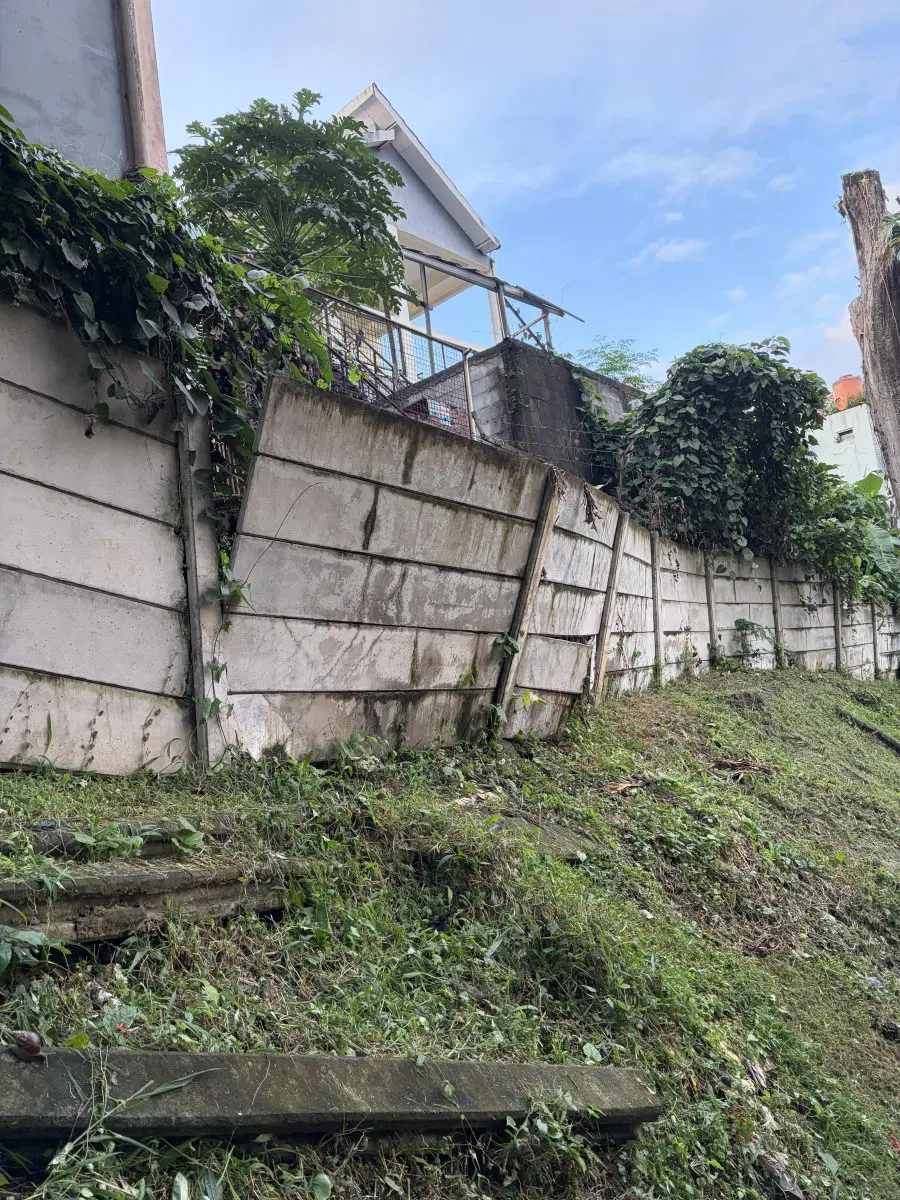
Your Neighbor's Retaining Wall Collapses Into Your Yard - Who Pays For The Damage?


After several days of heavy rain, you wake up to discover concrete blocks, soil, and landscaping debris scattered across your backyard. Your neighbor's retaining wall has collapsed, damaging your fence and destroying part of your garden. You assume your neighbor will take responsibility, but they insist the storm caused the damage and suggest contacting your own insurance company.
Affiliate disclosure: This article contains affiliate links. Everybody Loves Your Money may earn a commission if you buy or sign up through links in this article, at no additional cost to you.Unfortunately, determining who pays when a retaining wall collapses isn't always straightforward. The answer may depend on property boundaries, construction history, drainage conditions, insurance exclusions, and whether someone failed to maintain the structure properly.
Establish Who Actually Owns the Retaining WallA retaining wall located near a property boundary doesn't necessarily belong to the homeowner whose yard it appears to support. Its legal ownership may depend on surveyed boundaries, recorded easements, construction agreements, and other property records. Start by reviewing your deed, existing property survey, and documents associated with either property's development. A professional survey may be necessary when the boundary remains disputed. Establishing ownership is important, although ownership alone doesn't always determine responsibility for every resulting loss.
Insurance PickReview Coverage for Your Home and BelongingsRenters and homeowners insurance from Lemonade can cover your place and belongings, subject to your policy's terms. Get a quote online and see what is available where you live My Lemonade Quote Everybody Loves Your Money may earn a commission if you get a quote through this link. Find Out What Caused the CollapseA retaining wall can fail because of inadequate drainage, deteriorating materials, excessive pressure from surrounding soil, or improper construction. Heavy rainfall may trigger a collapse without necessarily being its underlying cause. A structural engineer or appropriately qualified geotechnical professional can evaluate the remaining structure and surrounding ground. Their findings may help distinguish an unavoidable event from a failure involving construction defects or insufficient maintenance. Avoid removing important evidence before the damage has been documented and relevant professionals have inspected the site.
Negligence Could Make Your Neighbor Financially ResponsibleIf your neighbor knew the retaining wall was deteriorating and failed to address a foreseeable danger, that history could become relevant to a negligence claim. Previous complaints, photographs of leaning sections, visible cracks, and professional recommendations may help establish what was known before the collapse. However, the mere fact that a wall fell from your neighbor's property doesn't automatically establish legal negligence. State property and tort laws determine which duties apply and what evidence is necessary to recover damages. Obtain local legal guidance before assuming your neighbor is responsible for the entire repair bill.
An Old Excavation Could Complicate the Legal DisputeRetaining walls frequently exist because someone altered the natural elevation of the surrounding land. The legal principle of lateral support addresses certain obligations associated with maintaining the stability of neighboring land. Depending on state law, liability may differ when a collapse affects land in its natural condition versus land supporting additional structures or improvements. Previous excavation or construction work could therefore influence who is legally responsible today. An attorney familiar with property disputes can determine whether these principles apply to your circumstances.
Your Homeowners Insurance May Have Important ExclusionsHomeowners insurance doesn't automatically cover every type of retaining wall failure or damage caused by soil movement. Policies frequently contain exclusions involving earth movement, deterioration, flooding, and defective construction. Coverage for a damaged fence, garage, or other insured structure may depend on the precise cause of the loss and applicable policy provisions. Review your policy and consult resources from the National Association of Insurance Commissioners when evaluating your coverage. Report the incident promptly rather than waiting for your neighbor to resolve the dispute.
Your Neighbor's Insurance Might Become InvolvedHomeowners insurance generally includes some personal liability protection for covered claims involving injuries or damage to other people's property. If your neighbor is legally responsible for the collapse, their liability coverage could potentially respond to your claim. However, exclusions, policy limits, and the circumstances of the failure may affect that outcome. Ask your neighbor to notify their insurer and provide relevant claim information when appropriate. An insurer's willingness to investigate a claim doesn't necessarily establish that coverage or liability has been accepted.
Don't Overlook the Cost of Stabilizing the Remaining GroundThe immediate damage to your fence or garden might be only one part of a much larger problem. Once a retaining wall fails, the exposed slope may continue shifting or remain vulnerable during subsequent rainfall. Additional engineering, temporary stabilization, drainage repairs, and reconstruction could become necessary. Stay away from unstable soil and damaged structures until qualified professionals determine that the area is safe. Notify local building officials if the collapse threatens a house, public infrastructure, or another occupied area.
How a Retaining Wall Dispute Can Become a Five-Figure ExpenseConsider a hypothetical collapse requiring $2,000 in debris removal, $3,500 in fence repairs, and $1,500 in landscaping restoration. If rebuilding the retaining wall costs another $18,000, the combined expense reaches $25,000. Engineering, permits, and additional drainage work could increase the total considerably. These figures are illustrative rather than national estimates, but they demonstrate why determining responsibility matters. Obtain separate estimates for damage restoration and wall reconstruction so disagreements about one expense don't obscure the others.
Document Everything Before Negotiating With Your NeighborTake photographs from safe locations showing the fallen materials, affected structures, and surrounding property conditions. Preserve previous communications about the wall and locate any relevant inspection or construction records. Keep receipts for necessary emergency work, professional assessments, and temporary protective measures. Written documentation may help insurers and attorneys evaluate the claim without relying solely on conflicting recollections. If the parties reach a settlement, have substantial repair and payment obligations documented appropriately.
Protect Your Property Without Turning Every Disagreement Into a Legal BattleA collapsed retaining wall can create enormous financial stress for both homeowners. Establishing ownership, investigating the cause, and obtaining independent estimates can make negotiations more productive. Mediation may offer a less expensive path forward when both parties are willing to cooperate. If significant damage or ongoing safety concerns remain unresolved, professional legal assistance may become necessary.
Would you expect your neighbor to pay the entire repair bill if their retaining wall collapsed into your backyard during a storm?
Legal Disclaimer:
MENAFN provides the
information “as is” without warranty of any kind. We do not accept any
responsibility or liability for the accuracy, content, images, videos,
licenses, completeness, legality, or reliability of the information
contained in this article. If you have any complaints or copyright issues
related to this article, kindly contact the provider above.


Comments
No comment