


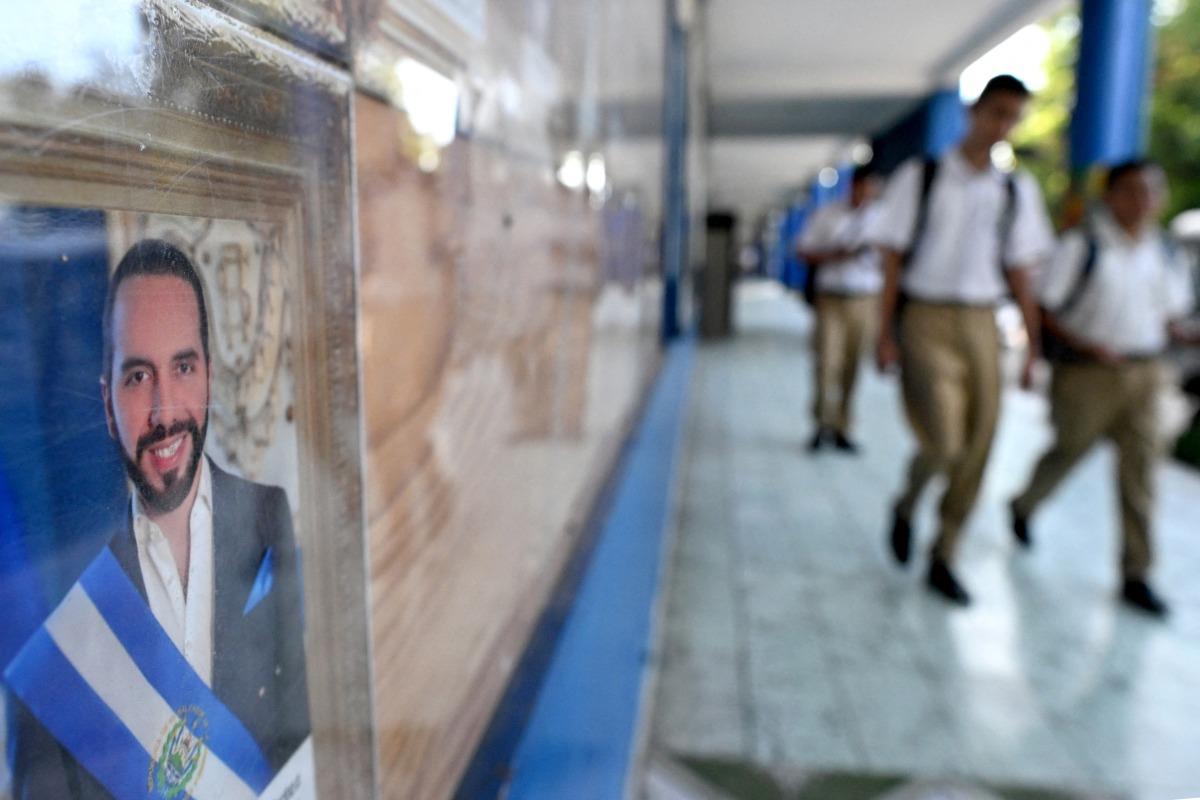
El Salvador Investment Surges And Tourism Booms Over Four Years Into Bukele's Gang Crackdown


Investment is surging and real estate and tourism are booming in El Salvador more than four years after President Nayib Bukele began a crackdown on gangs, with Salvadorans returning to areas once held by organized crime and record remittances boosting momentum.
The International Monetary Fund expects the economy to grow 4.5% this year, which would put El Salvador ahead of Honduras, Nicaragua and Guatemala for the first time in more than three decades. Excluding the rebound from Covid lockdowns in 2021, it would also be the country's fastest growth since the 1990s.
The acceleration has been a long time coming. Bukele has used emergency powers to lock up nearly 100,000 suspected gang members since March 2022, transforming security almost overnight. But the economy continued to underperform, and remained a growth laggard until this year.
"El Salvador has entered a new phase of growth, enabled by the accomplishments in security and the dismantling of gangs,” said former central bank chief Carlos Acevedo. "There is a sensation among citizens that they can move around freely. You can go wherever you want in El Salvador, at any time of day, and there is a ton of security. The change is impressive.”
The government acknowledges that about 8,000 people wrongly swept up in the crackdown were innocent and subsequently released, while human-rights groups say thousands more people with no gang ties remain behind bars.
Bukele has begun to export his crime fight, and last month sent more than 2,000 Salvador troops to Haiti to fight gangs that kidnapped four Salvadoran soldiers who were there as part of a UN-backed mission. Salvadoran attack helicopters in Haiti have shot missiles at mansions built by gang leaders.
In El Salvador, private fixed investment jumped to 24.1% of gross domestic product in 2025 from 20.2% a year earlier, and is projected to rise further this year. The IMF's $1.4 billion program with El Salvador also helped boost investor confidence.
The capital San Salvador has seen a boom in construction, including luxury condos, while rural residents are developing lots they long neglected because gangs controlled the territory, according to Acevedo. Local press reports also cite urban housing market appreciation in previously crime-ridden neighborhoods.
Tourism has also attracted foreigners and members of the Salvadoran diaspora. The country received a record 4.1 million tourists in 2025, led by neighboring Guatemalans and US visitors which include Salvadorans living and working in the US. Beach lots have tripled in value since 2021, Acevedo said.
"The sustained improvements in security and continued implementation of the authorities' Fund-supported program are boosting confidence, helping to raise living standards,” IMF First Deputy Managing Director Dan Katz said following a meeting with Bukele in November.
Yet crime was only one of the constraints that kept El Salvador among Latin America's slowest-growing economies for decades. A largely low-skilled and informal workforce, high public debt and poor infrastructure continue to limit its potential.
Even with the recent growth surge, the economy has underperformed Guatemala, Honduras and Nicaragua since Bukele took office in 2019.
Foreign direct investment still lags much of the region despite the government's efforts to attract technology companies such as Google, underscoring the challenge of turning the security gains into a broader transformation of the economy.
Some of the forces driving the current boom may also prove temporary. Remittance growth is slowing after last year's surge, while rents on some of the new condominiums coming onto the market have begun to decline.
Even so, multilateral lenders expect El Salvador to sustain growth above the roughly 2% pace that prevailed for much of the past two decades.
"Over the medium term, growth is expected to stabilize around 3.5%, well above its historical trend, reflecting higher potential output growth supported by improved security, higher investment and tourism,” World Bank said in its latest report on the country.

Legal Disclaimer:
MENAFN provides the
information “as is” without warranty of any kind. We do not accept any
responsibility or liability for the accuracy, content, images, videos,
licenses, completeness, legality, or reliability of the information
contained in this article. If you have any complaints or copyright issues
related to this article, kindly contact the provider above.


Comments
No comment