


Large Stressed Firms Yield Better Recoveries Under IBC, But Delays Persist


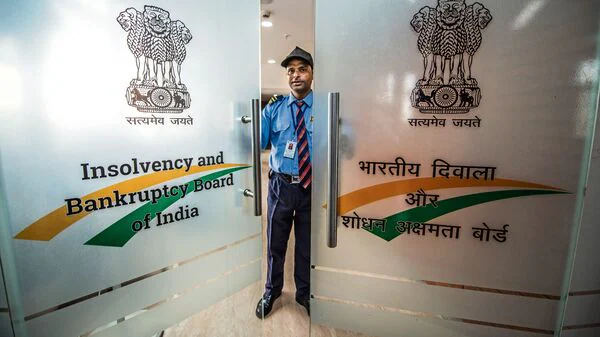
Creditors recovered 31.1% of their admitted claims from 218 large stressed companies, each with a default of at least ₹1,000 crore, that underwent resolution under the IBC until September. The recovery amounted to ₹3.91 trillion against admitted claims of ₹12.6 trillion, according to data released by the Insolvency and Bankruptcy Board of India (IBBI ).
Also Read | State-run banks post record ₹1.1 trillion half-year profitAcross all 1,571 companies that saw resolution under the law since its adoption in late 2016, creditors recovered 30.2% of their admitted claims. The recovery amounted to ₹4.46 trillion against claims of ₹14.77 trillion, with the broader pool, which includes smaller companies, recording marginally lower realizations.
Recoveries higherRecoveries from large cases were also higher relative to liquidation value, at 173.3%, compared with 167.4% across all resolved cases.
Larger companies typically have bigger asset bases, offering better prospects of recovery, and a wider geographical presence that can attract strategic investors. However, the size of the stressed asset is not necessarily the decisive factor. Experts point to the timing of insolvency proceedings as a more important influence: the longer a company remains distressed before resolution, the greater the erosion in asset value and the lower the eventual recovery.
Also Read | Cross-border insolvency rules caught in forum-shopping fearsThe difference in recovery rates is modest, and realizations in a handful of large cases can skew the overall picture because of the substantial amounts involved.
Delays weigh on recoveryWhile IBBI does not separately disclose resolution timelines for large and small companies, its data point to persistent delays across insolvency cases. As of September, resolution had taken more than 270 days in 72% of ongoing cases where the process was under way, the regulator's data showed.
In a September report, India Ratings and Research said the“expectations of a meaningful improvement in insolvency recoveries and resolution timelines are yet to be reflected in operating outcomes”.
Historical trendWhile resolution activity under the IB remains steady, creditor recoveries are broadly in line with historical trends, while timelines remain elevated, the rating agency said.
It added that“recovery timing remains a key constraint on recovery efficiency, particularly for stressed-asset portfolios where delayed resolutions can defer cash flows and erode underlying value”.“For security receipts backed by non-performing assets (SR) ratings where insolvency is the main resolution strategy, recovery timing is as important as the ultimate recovery value,” it added.
Also Read | Ears to the ground: What FM's pre-budget stakeholder consultations meanThe average time taken to yield a resolution plan was 771 days as of September, excluding periods excluded by the adjudicating authority, according to IBBI's latest data. This was more than twice the 330-day outer limit stipulated under the law.

Legal Disclaimer:
MENAFN provides the
information “as is” without warranty of any kind. We do not accept any
responsibility or liability for the accuracy, content, images, videos,
licenses, completeness, legality, or reliability of the information
contained in this article. If you have any complaints or copyright issues
related to this article, kindly contact the provider above.


Comments
No comment