


6 Things You Should Never Leave Outside During A Hard Freeze


The first hard freeze of the season can do considerably more damage than turn your summer flowers brown. Water trapped inside gardening equipment expands as it freezes; certain containers become vulnerable to cracking, and products you've stored outdoors may become unusable. Unfortunately, many gardeners don't discover the damage until they start preparing their yards again in spring.
Taking a few precautions before temperatures plunge could save you hundreds of dollars in replacement equipment and plants. Here are six things you should never leave outside during a hard freeze without appropriate protection.
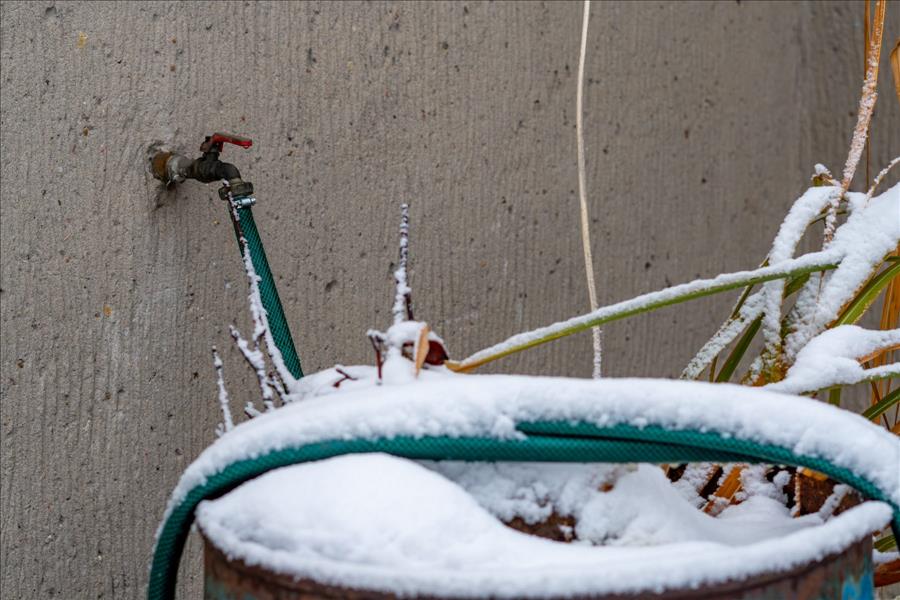
1. Garden Hoses and Watering AttachmentsEven a garden hose that appears empty can contain enough residual water to cause problems when temperatures drop. Water expands as it freezes, potentially damaging hose fittings, spray nozzles, and other watering attachments. Leaving a hose connected to an outdoor faucet may also interfere with drainage and contribute to freeze-related plumbing damage. Disconnect your hoses, drain them thoroughly, and store them somewhere protected from extreme temperatures. Replacing a damaged hose is inconvenient, but repairing a burst pipe can be considerably more expensive.
Don't Forget About Outdoor Irrigation EquipmentPortable sprinklers, irrigation timers, and aboveground drip irrigation components deserve attention before freezing weather arrives. Equipment containing small chambers or valves can retain water even after the main supply has been disconnected. Follow the manufacturer's winterization instructions, particularly for electronic devices and irrigation systems with specialized components. Underground irrigation systems may require professional winterization depending on their design and local climate. Spending a little time protecting this equipment now could prevent an expensive surprise when you turn everything back on next spring.
2. Terracotta and Certain Ceramic FlowerpotsTerracotta is naturally porous, allowing moisture to enter the material itself. When that moisture freezes and expands, vulnerable containers can develop cracks or break apart completely. Pots filled with saturated soil may experience additional pressure during repeated freeze-thaw cycles. Empty susceptible containers that aren't needed for winter plantings and store them in a dry, sheltered location. If you've invested in attractive decorative planters, check whether they're specifically rated for outdoor winter conditions before leaving them exposed.
3. Tropical Plants and Tender HouseplantsA hard freeze can destroy plants that evolved in climates where freezing temperatures are unusual or nonexistent. Many popular houseplants require protection well before temperatures reach 32 degrees Fahrenheit. University of Minnesota Extension's September 2026 guidance suggests bringing most houseplants indoors when temperatures fall below 50 degrees, depending on the species. Inspect foliage, stems, and containers for insects before introducing outdoor plants to your indoor collection. Saving a mature tropical plant can be much less expensive than purchasing a replacement when warmer weather returns.
Even Hardy Plants in Containers Need ConsiderationA perennial that survives winter in the ground may be more vulnerable when its roots are surrounded by an exposed container. Aboveground pots lack the insulating benefits provided by the surrounding landscape soil. Small containers are especially susceptible to rapid temperature changes because they contain relatively little soil mass. Research the winter requirements of your particular plants before deciding whether they need insulation, a sheltered location, or appropriate indoor storage. Dormant cold-hardy plants and actively growing tropical plants require different overwintering conditions.
4. Liquid Garden Chemicals and FertilizersSome liquid gardening products can undergo physical changes when exposed to freezing temperatures. Formulations may separate, crystallize, or otherwise become unsuitable for their intended application. The storage instructions on the original product label should determine where and how you keep fertilizers, pesticides, and other treatments. Store these materials securely away from children, pets, food, and household living areas while maintaining the required temperature conditions. Never assume that a product remains effective or safe simply because it appears normal after thawing.
5. Water-Filled Decorative FeaturesBirdbaths, fountains, and decorative containers can suffer substantial damage when water freezes inside them. Materials such as concrete, ceramic, and certain plastics may crack under unfavorable conditions. Fountain pumps and associated plumbing can also retain water that expands during freezing weather. Drain vulnerable features and follow the manufacturer's instructions for storing pumps and other removable components. If you want to continue providing water for birds during winter, use equipment specifically designed for suitable cold-weather operation.
6. Battery-Powered Garden EquipmentCordless gardening tools can represent a substantial investment, particularly when they require proprietary rechargeable batteries. Battery manufacturers typically specify acceptable temperature ranges for storage, operation, and charging. A freezing garden shed may fall outside the recommended conditions for certain battery packs or related electronic equipment. Remove detachable batteries and keep them in a dry location that satisfies the manufacturer's storage requirements. Never attempt to charge a frozen battery or use one showing signs of physical damage.
How Much Could One Freeze Cost You?Consider a gardener who loses a $35 hose, two $40 ceramic planters, a $60 tropical plant, and a $90 rechargeable tool battery during winter. Replacing those items would cost $265 before accounting for any plumbing or irrigation repairs. These hypothetical prices illustrate how several seemingly minor losses can quickly consume a spring gardening budget. Many of these expenses could be avoided through appropriate storage and basic seasonal maintenance. Use your existing garage, utility area, or other suitable sheltered space before investing in additional storage equipment.
Protecting your gardening investment doesn't require purchasing an elaborate collection of winterization products. Start by identifying equipment containing water, plants sensitive to cold, and materials that deteriorate during freezing conditions. Check storage requirements rather than assuming everything can safely remain in an unheated shed. Completing these tasks before severe weather arrives is considerably easier than replacing damaged equipment afterward.
What's the most expensive thing you've accidentally ruined by leaving it outside during a freeze?
Legal Disclaimer:
MENAFN provides the
information “as is” without warranty of any kind. We do not accept any
responsibility or liability for the accuracy, content, images, videos,
licenses, completeness, legality, or reliability of the information
contained in this article. If you have any complaints or copyright issues
related to this article, kindly contact the provider above.


Comments
No comment