


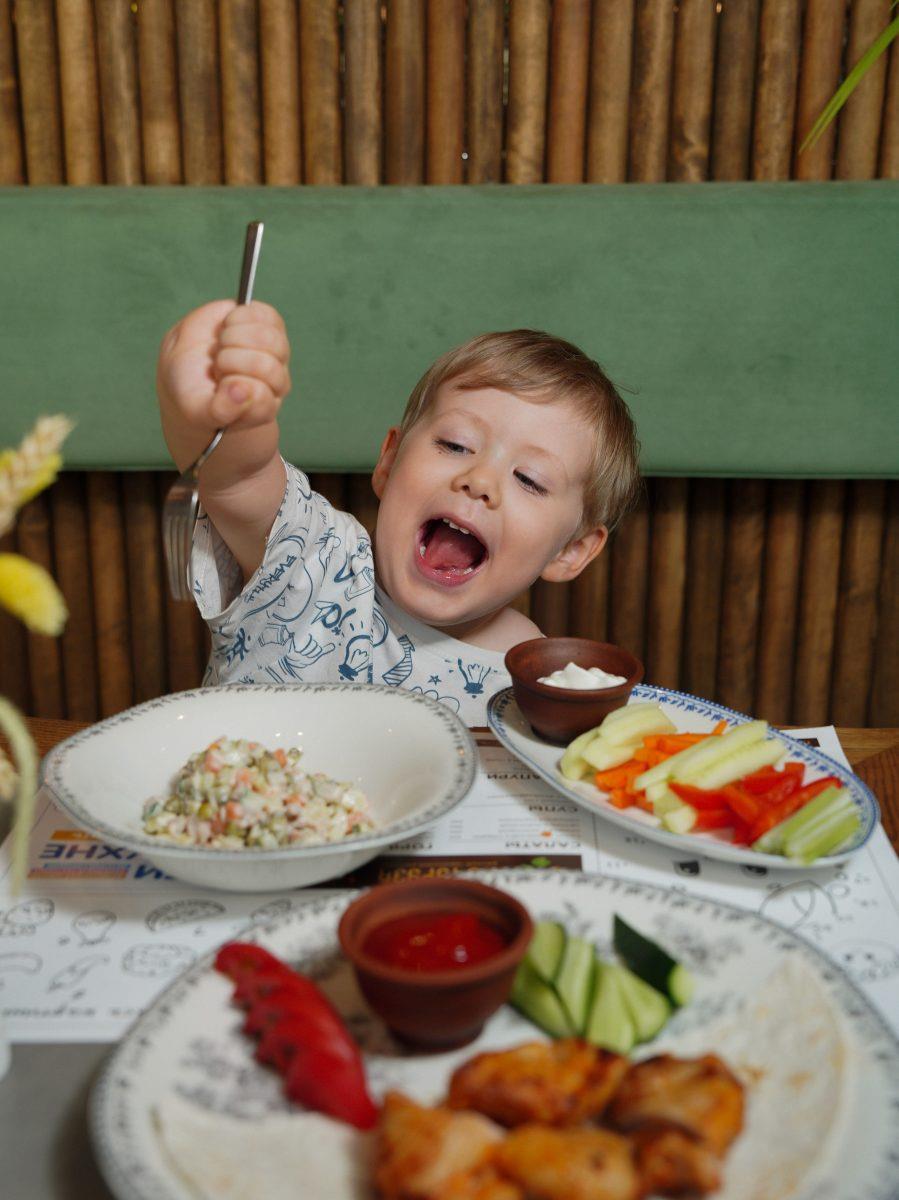
Why Some Restaurant Kids' Meals Are A Better Value Than Others


A kids' meal can seem like an easy way to keep restaurant costs down, especially when a family is ordering for several people. However, two meals with similar prices may offer very different amounts of food. One might include a substantial entrée, two sides, a drink, and an extra treat, while another comes with a smaller portion and fewer included items.
GroceryCouponGuide may earn a commission when you buy through links in this article.
The difference is not always obvious from the menu price. Families who compare the entire meal instead of focusing on the entrée can better gauge which options are worth ordering. Portion sizes, side choices, drink policies, and upgrade charges all influence the final value.
The Number of Included Items Makes a DifferenceOne of the easiest ways to compare kids' meals is to look at everything included in the advertised price. Some restaurants offer a complete package with an entrée, side, drink, and dessert or other extras. Others include only the main item and one side, leaving families to pay separately for beverages or additional food. Even a small difference in what comes with the meal can change how much a family spends.
A meal that costs slightly more may actually be the better deal if it includes items that would otherwise need to be purchased separately. For example, a kids' chicken tender meal with fries, a drink, and a scoop of frozen custard offers a different overall package than a chicken meal that includes only fries. Families should check the menu description carefully instead of assuming every kids' meal follows the same format.
Portion Size Matters More Than the Menu PriceA lower-priced kids' meal is not automatically the best value if the portion is too small for the child ordering it. Restaurants serve different quantities, even when the meals feature similar foods. One chain might offer several chicken tenders, while another provides fewer pieces. Burger sizes, sandwich portions, and pasta servings can also vary considerably.
This is especially important for families with older children or kids with bigger appetites. A meal that saves a dollar or two may not be worth it if the child stays hungry and needs another item afterward. Parents should consider how much food their child typically eats and compare the actual portions rather than relying on the advertised price alone.
Some Restaurants Include More VarietyThe number of food choices included with a kids' meal can also affect its value. A traditional burger or chicken meal may come with fries and a drink, while another restaurant offers a choice of fruit, vegetables, rice, beans, or other sides. More variety can make a meal feel more complete without requiring an additional purchase.
For example, a kids' meal with a quesadilla, rice and beans, fruit or chips, and a drink offers several components in one package. A restaurant serving a similar entrée without an included side or beverage may not provide the same overall value. Families should compare the available combinations, especially when children prefer something other than the standard fries-and-drink option.
Watch for Side Choices That Cost ExtraA kids' meal may advertise a choice of side, but that does not always mean every option is included at the same price. Some restaurants charge extra for certain substitutions or premium sides. A child who wants cheese curds, onion rings, or another upgraded item may increase the original meal cost without the family realizing it.
These charges can make a seemingly affordable meal less attractive. Before ordering, check whether the listed sides are interchangeable or whether some options carry an additional fee. If the child is happy with the standard side, there may be no reason to spend more. However, if the upgraded side is something the child would enjoy and actually eat, the additional cost may still make sense.
Drinks and Desserts Can Change the TotalAn included drink is one of the most important details to check when comparing kids' meals. Some restaurants bundle a beverage into the price, while others sell it separately. A meal that looks cheaper at first may cost more once you add a drink, especially when ordering for multiple children.
Partner Pick
Costco 1-Year Gold Star Membership + $45 Digital Costco Shop Card
Purchase a 1-Year Costco Gold Star Membership and get a $45 Digital Costco Shop Card. Deal Price $65.00. Valid for new members only or for members whose memberships have been expired for more than 18 months. Only available to U.S. & Puerto Rico customers. Promotion code must be purchased by 12/20/26 and redeemed by January 31, 2027.
View the offer
Desserts and treats can make another difference. Some restaurant kids' meals include a small dessert, frozen treat, or other extra, while others offer nothing beyond the entrée and side. Families should consider whether those extras are items they would otherwise purchase. A bundled dessert can add value when the child wants it, but it should not be treated as a savings if it will go uneaten.
A Familiar Restaurant Name Does Not Guarantee a Better DealFamilies may have favorite restaurants where they routinely order kids' meals, but loyalty does not always translate into the best value. A chain known for inexpensive food may offer smaller portions or fewer included items than a competitor. Another restaurant might charge more but provide a fuller meal with additional choices.
It is worth comparing familiar options when deciding where to eat. For example, a parent considering a kids' burger meal at Culver's might weigh the included sides, drink, and custard against another restaurant's burger-and-fries combination. The same comparison applies to chicken meals at restaurants such as Super Chix, where the number of tenders and included sides can influence the overall value. Menu prices and meal components vary by location, so checking the current menu is more useful than relying on old prices or assumptions.
The Best Value Is the Meal Your Child Will Actually EatA kids' meal can include several items and still be a poor purchase if the child dislikes the food. Families sometimes pay more for a meal with extra sides or a dessert, only to have those items left untouched. A simpler meal that matches the child's appetite and preferences may be a better use of the money.
Before ordering, consider the entrée, portion size, included sides, drink, and any additional charges. Compare the complete cost with what the child is likely to eat, not just the advertised starting price. A little menu checking can help families avoid paying for unnecessary extras while choosing a meal that feels worthwhile.
Want the free grocery savings guide?
Get our state-by-state guide to the cheapest grocery stores, plus savings tips and hand-picked deals twice a month.
Email addressFree. Unsubscribe anytime.

Legal Disclaimer:
MENAFN provides the
information “as is” without warranty of any kind. We do not accept any
responsibility or liability for the accuracy, content, images, videos,
licenses, completeness, legality, or reliability of the information
contained in this article. If you have any complaints or copyright issues
related to this article, kindly contact the provider above.


Comments
No comment