


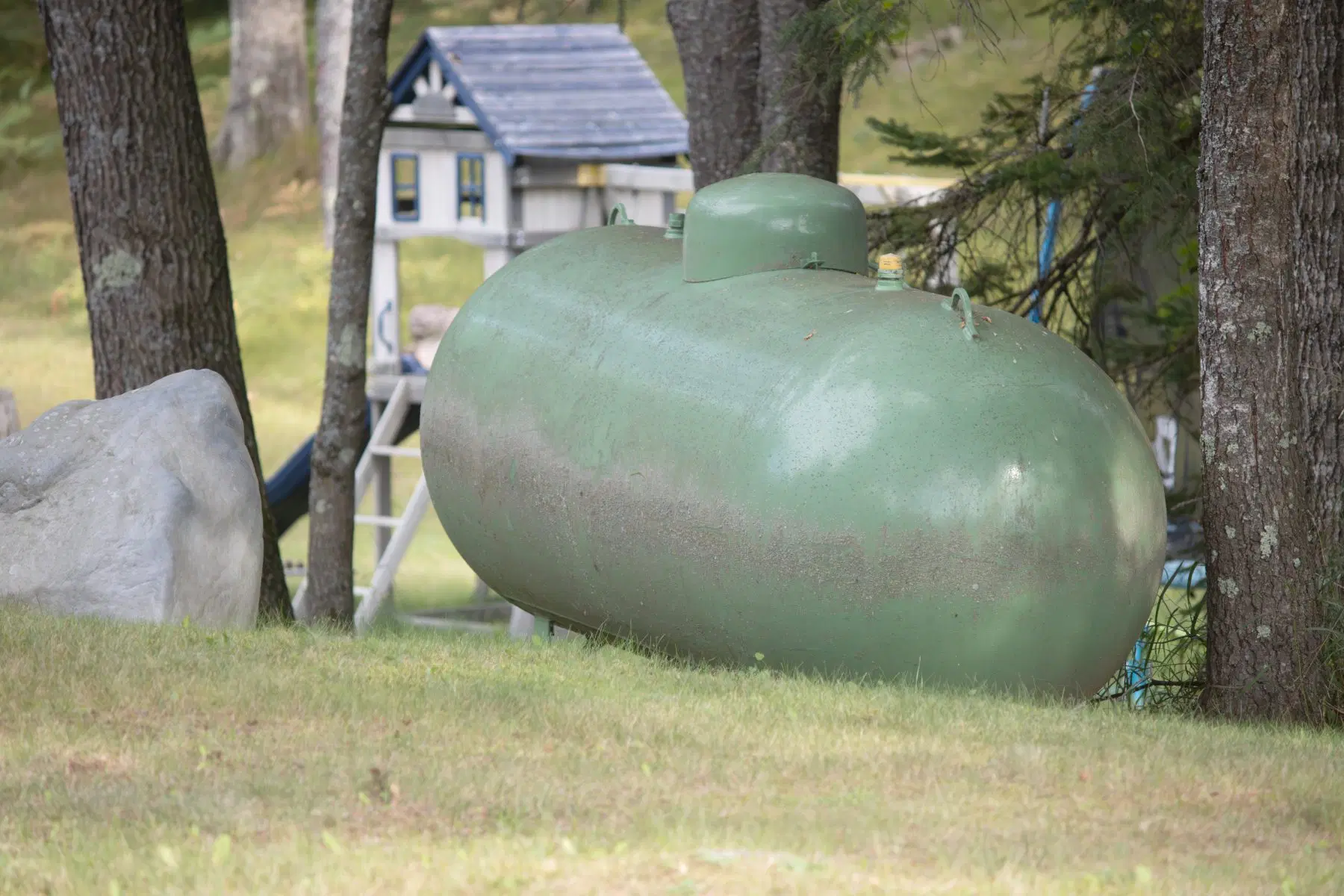
You Discover An Old Oil Tank Buried In Your Backyard - Who Pays To Remove It?


Installing a new patio was supposed to be your biggest home improvement expense this year. Then your contractor discovers a rusted metal tank buried beneath the backyard, apparently left behind when a previous owner converted the house from oil heat to another heating system. Suddenly, you're dealing with a potential environmental problem that nobody mentioned during the homebuying process.
Affiliate disclosure: This article contains affiliate links. Everybody Loves Your Money may earn a commission if you buy or sign up through links in this article, at no additional cost to you.An abandoned underground oil tank can create financial obligations that extend well beyond removing the container itself. Who ultimately pays depends on the property's history, environmental regulations, insurance coverage, and whether the tank has leaked.
Why Old Heating Oil Tanks Are Still Buried UndergroundBefore natural gas and electric heating became widespread, many residential properties relied on heating oil stored in underground tanks. When homeowners upgraded their heating systems, some tanks were properly removed while others were abandoned in place. Depending on when the conversion occurred, records documenting the tank's condition or decommissioning may be incomplete. Decades of exposure to underground moisture can cause older steel tanks to deteriorate. A homeowner may remain completely unaware of the tank until landscaping, construction, or environmental testing reveals its presence.
Investing PickGet Stock Ideas With the Research Behind ThemMotley Fool Stock Advisor sends you new stock recommendations every month, with the analysts' reasoning for each one. Investing involves risk, including loss of principal Motley Fool Stock Advisor Everybody Loves Your Money may earn a commission if you sign up through this link. Federal Regulations Don't Cover Every Residential TankThe Environmental Protection Agency regulates many underground storage tanks, but certain tanks storing heating oil for consumption on the premises are excluded from federal underground storage tank regulations. That exclusion doesn't mean residential heating oil tanks are unregulated everywhere. States and local governments may establish their own removal, reporting, and environmental cleanup requirements. Some jurisdictions impose obligations when a tank is abandoned, while others primarily become involved when contamination is discovered. Contact your state environmental agency before authorizing excavation or disposal.
The Current Homeowner Could Inherit the ProblemBuying a property doesn't necessarily protect you from environmental responsibilities associated with its previous use. Under applicable state laws, current property owners may be responsible for addressing contamination even when they didn't personally cause it. Whether another party can ultimately be held financially responsible is a separate legal question. Your immediate obligations may include reporting a suspected release, arranging an assessment, or preventing further contamination. Don't assume that identifying the previous owner automatically transfers every responsibility back to them.
Removing the Tank Is Only Part of the Potential ExpenseAn accessible underground tank that hasn't leaked may require relatively straightforward excavation, professional removal, and disposal. However, contaminated soil, groundwater impacts, and difficult access can substantially increase the project's complexity. Contractors might also need to remove landscaping, pavement, or other structures to reach the tank safely. Request estimates that distinguish basic removal from environmental testing and potential remediation. An inexpensive removal quote may not represent the complete cost if evidence of a leak emerges during excavation.
What Happens if the Tank Has Leaked?Heating oil released underground can contaminate surrounding soil and potentially migrate beyond the property's boundaries. Environmental professionals may need to collect samples to determine the extent of contamination and whether additional investigation is necessary. Your state environmental agency can identify applicable reporting obligations and cleanup standards. If contamination reaches neighboring property or groundwater, additional financial and legal complications may develop. Stop excavation and obtain professional guidance if workers discover petroleum odors, stained soil, or other signs of a possible release.
Can You Make the Previous Owner Pay?A seller's responsibility may depend on state disclosure laws, what they knew about the tank, and the representations made during the transaction. Review your seller disclosure documents, purchase agreement, inspection records, and communications concerning the property's former heating system. Evidence that a seller knowingly concealed a material defect could be relevant to a potential legal claim. However, proving responsibility and successfully recovering money are not necessarily straightforward. A real estate or environmental attorney can evaluate whether pursuing the seller is financially worthwhile.
Your Homeowners Insurance Might Not Cover the CleanupStandard homeowners insurance policies frequently contain exclusions or limitations involving pollution and contamination. Some insurers offer endorsements addressing particular heating oil risks, but coverage varies considerably by policy and jurisdiction. Contact your insurer before beginning work and request a written explanation of applicable coverage. Review policies that were active when the contamination may have occurred if professional advice suggests they could be relevant. Don't approve an expensive cleanup based solely on an assumption that insurance will reimburse you.
Some States Offer Financial AssistanceCertain states maintain programs that help eligible homeowners address heating oil tank contamination. Washington's Pollution Liability Insurance Agency, for example, administers financial assistance programs involving petroleum contamination and heating oil tanks. Eligibility requirements, available funding, registration obligations, and covered expenses differ between programs. Homeowners should investigate potential assistance before commissioning work because prior approval may be required. Even partial financial assistance could make a substantial difference when contamination extends beyond the immediate tank location.
One Buried Tank Could Change Your Entire Home Improvement BudgetSuppose a contractor estimates $3,000 for removal, but subsequent testing identifies contamination requiring another $15,000 in excavation and cleanup. Restoring the damaged landscaping might add $2,000, bringing the hypothetical total to $20,000. Those figures aren't national cost estimates, and actual projects can be considerably less or more expensive. Nevertheless, they illustrate why homeowners should investigate the tank's condition before committing their remaining savings to unrelated renovations. Obtain itemized estimates and understand which expenses could change as the investigation progresses.
Discovering an underground oil tank doesn't automatically mean you're facing an environmental catastrophe. However, ignoring it or attempting an unauthorized removal could create much greater financial and environmental problems. Establish the tank's condition, investigate legal responsibilities, review available insurance, and look for applicable financial assistance. Future buyers considering older properties should also ask about previous heating systems before completing a purchase.
Would discovering an abandoned underground oil tank make you reconsider buying a house, even if the seller offered to reduce the price?
Legal Disclaimer:
MENAFN provides the
information “as is” without warranty of any kind. We do not accept any
responsibility or liability for the accuracy, content, images, videos,
licenses, completeness, legality, or reliability of the information
contained in this article. If you have any complaints or copyright issues
related to this article, kindly contact the provider above.


Comments
No comment