


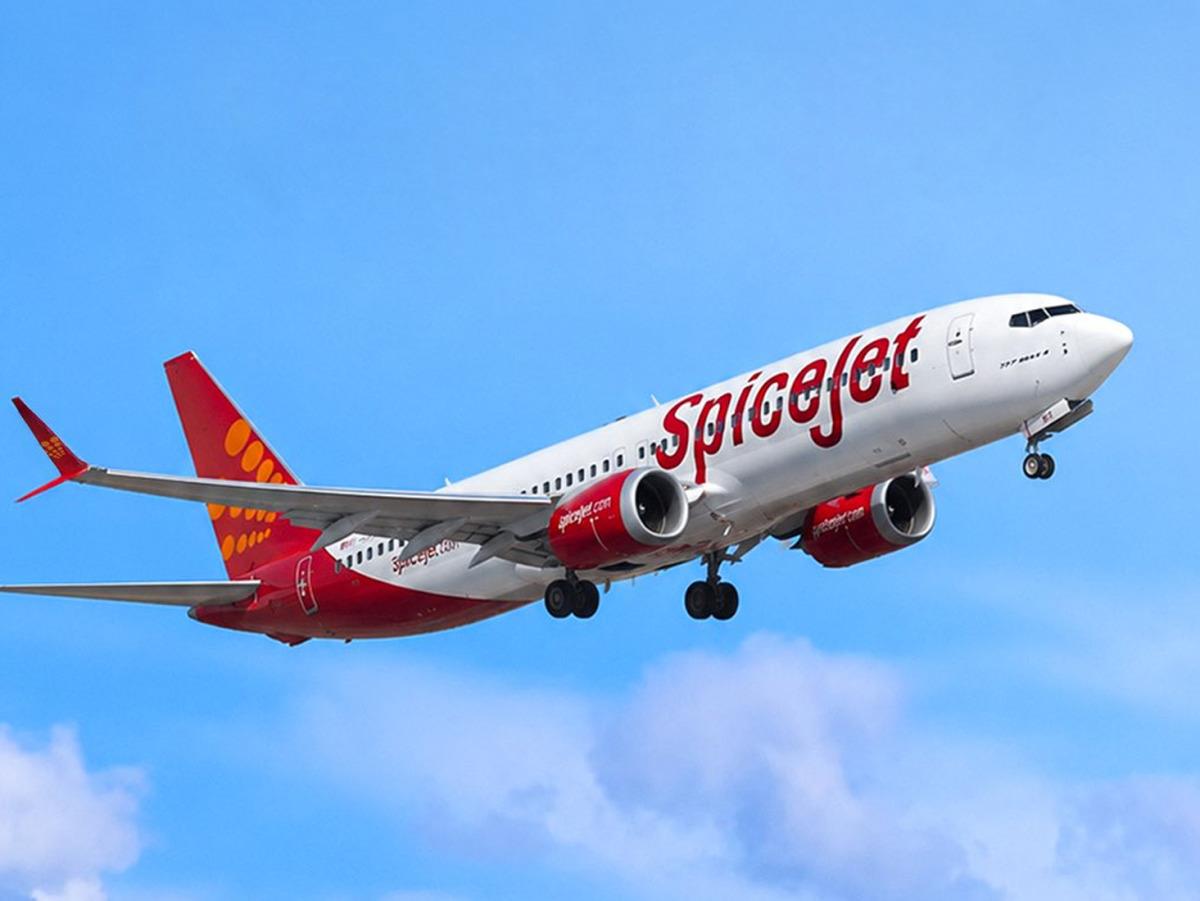
Spicejet Financial Woes Put India's Holiday Travellers In Turmoil


Last December, India's airports were a chaotic mess as IndiGo, the nation's largest carrier, canceled thousands of flights because of a pilot shortage. This year, it's the turn of another airline to leave passengers stranded - SpiceJet Ltd.'s cash crunch is so severe that it is unable to operate more than half of its scheduled journeys, according to The Economic Times.
New Delhi ended its monopoly over the domestic skies in the 1990s, which is when SpiceJet - then known as ModiLuft - took off. That arrangement with Deutsche Lufthansa AG unraveled quickly. In 2005, a former government adviser and businessman Ajay Singh took charge of the defunct airline, revived and sold it five years later, only to reacquire it in 2015. Such cycles of boom, bust and rebirth are hardly unusual in aviation. What is harder to explain is why India still allows unviable airlines to stagger toward collapse in such a disorderly fashion.
For the two dozen or so that went belly up before 2016, there was an excuse. India lacked a modern bankruptcy regime capable of rescuing viable assets from companies drowning in unserviceable debt and putting them in the hands of owners willing to inject fresh equity. But even with an insolvency law in operation for the past decade, not one airline firm has undergone an overhaul while continuing to fly. Jet Airways collapsed in 2019, Go First followed in 2023.
Nearly half of US airline capacity at the time of the Sept. 11, 2001 terror attacks passed through Chapter 11 bankruptcy in the years that followed, allowing carriers to restructure their debt without missing a beat on their day-to-day operations. China, on the other hand, treats its three big state-run carriers as prized national infrastructure, supporting them through turbulence deep and shallow.
In trying to find a middle ground between American-style restructuring and Chinese-style government intervention, India has ended up with the worst of both worlds: A withering of state capacity alongside the rise of a powerful private duopoly.
The one silver lining to IndiGo and Air India - the former national carrier now owned by the Tata Group - controlling 90%-plus of the market is that SpiceJet's troubles won't trigger a systemic crisis. Much of the attrition in what was once India's second-largest local airline has already been absorbed by bigger rivals bulking up. SpiceJet's market share of nearly 4% at the start of the year had dwindled to 0.6% by September.
Yet it was only last week that India's aviation watchdog asked SpiceJet for an explanation - and a plan for bringing its fleet, the bulk of which is grounded, back into service. More troublingly, while giving the airline a week to explain itself, the regulator allowed it to continue taking new bookings - even as passengers grappled with widespread disruptions and delayed refunds. A pilots' body, meanwhile, has asked the Directorate General of Civil Aviation for an urgent financial and safety audit of the crisis-hit carrier.
Authorities still seem to be hoping that Chairman Singh, SpiceJet's controlling shareholder, can engineer a last-minute revival, this time against the added headwind of high oil prices caused by the war in Iran. Last week, the airline's board approved a 55 billion rupees ($592 million) equity-raising plan. The company in a statement said it was in talks with new investors, without identifying the would-be rescuer. In August, it narrowly averted bankruptcy when - out of eight insolvency petitions brought by aircraft lessors - it settled with one. Other creditors were told their pending legal challenges would be heard afresh.
That brings us to India's peculiar deference to "promoters,” as the controlling shareholders are known in local securities law. Too often, stakeholders such as employees, vendors, or financial creditors find their claims to be subservient to the enterprise builder's desire to wield control despite having a sliver of risk capital at stake, and sometimes helped by claims of political proximity. As a result, the normal hierarchy of capitalism is turned on its head. Equity, which is supposed to absorb losses first, is kept alive long after the underlying enterprise has ceased to be viable. Jet Airways remained listed long after its final flight had receded more than five years into the rearview mirror.
The consequences of this warped priority may be manageable in more stable industries, but definitely not in aviation. Aircraft purchase or lease costs are high and denominated in dollars, while domestic carriers' revenue is in rupees. Although India is one of the world's fastest-growing markets for air services, exorbitant fuel levies and the ever-present risk of currency depreciation make the economics precarious. The commercial logic will only get tougher. Once high-speed trains arrive in a meaningful way, airlines will face greater price competition on some of their busiest routes.
That leaves policymakers with a choice. They can encourage well-capitalized conglomerates willing to commit the kind of patient capital the Tata Group has poured into aviation, while strengthening corporate governance and making bankruptcy work as it was intended. Or they can preserve a system that allows "promoters” with thin equity cushions to flourish in good times and eventually disappear when the going gets tough - leaving creditors with losses and angry passengers stranded at airports.

Legal Disclaimer:
MENAFN provides the
information “as is” without warranty of any kind. We do not accept any
responsibility or liability for the accuracy, content, images, videos,
licenses, completeness, legality, or reliability of the information
contained in this article. If you have any complaints or copyright issues
related to this article, kindly contact the provider above.


Comments
No comment